Five migrations
Knowledge, Diagnosis, Treatment, Monitoring, and Interpretation are moving out of healthcare and into consumers’ hands.
Example: Women can now screen for cervical cancer at home with the Teal Wand, with no clinic visit.
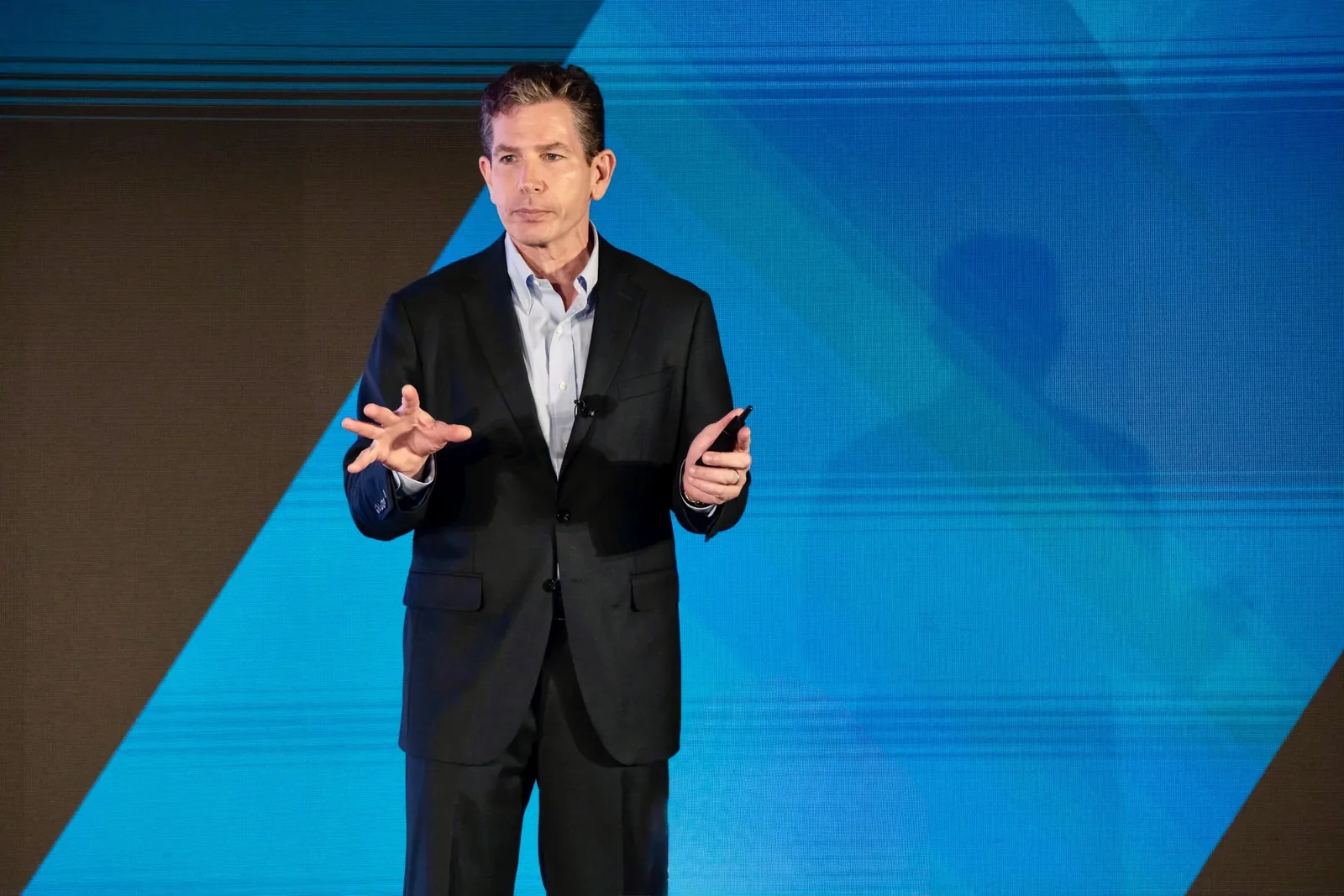
AI, consumer technology, and prevention are moving care out of healthcare. I help your audience see what’s changing, why it’s happening, and what to do about it.
Knowledge, Diagnosis, Treatment, Monitoring, and Interpretation are moving out of healthcare and into consumers’ hands.
Example: Women can now screen for cervical cancer at home with the Teal Wand, with no clinic visit.
Prevention removes some need for care altogether.
Example: GLP-1 use rose 140% from 2022 to 2024; bariatric surgery fell 34%.
Consumers gain. The traditional healthcare system loses scope, authority, and revenue.
Explore the concepts →“One of the best board forum presentations we have had.”
Diane Maas
Chief Strategy and Digital Transformation Officer, Beacon Health System
“A terrific thought partner and engaging presenter.”
Stephen W. Kett
Chief Executive Officer, The Governance Institute
“Hands-down one of the best keynote speakers I have watched in my career.”
Carlos Garmendia
Associate Director, Biogen
Advocate Health saw patient connections between MyChart and ChatGPT rise more than 7,000% in one month. Hospitals must pay to deliver the records while ChatGPT increasingly competes with them to interpret those records for patients.
Teal Health raised $22 million for the Teal Wand, which lets women collect their own sample at home for HPV cervical cancer screening — no speculum, no clinic visit, no missing work. Starting in 2027, most private insurers have to cover it at no cost. Classic Diagnosis Migration, though a positive result still sends women back to the clinic for followup (which will also be covered by insurance).
As medical testing becomes software, new tests and interpretations can be bundled into phones, watches, and subscriptions. Big Tech can earn money by giving them away, putting pressure on healthcare companies that sell them. What will this mean for patients, labs, and healthcare orgs?
I’ve treated patients, responded to epidemics, and built technology that was used in global health. I founded Magpi, a mobile data platform that was used in more than 170 countries, and have spoken at TED. That route shapes how I look at healthcare technology: less as a collection of new tools than as a force changing who produces care, where it happens, and how much of it we need.
More about me →