Thoughts

Disruption for Doctors 3: the Rise of Selfcare
As AI and smartphones put more diagnostic power into consumers’ hands, healthcare faces disruption not just within the clinic—but beyond it. From OTC drugs to pneumonia-detecting apps, selfcare is rising fast. This isn’t the future. It’s already here—and it’s shrinking the doctor’s role.

Revisited: FDA's AI Medical Device Approvals
One year after analyzing FDA’s AI medical device approvals, a new dataset confirms: growth continues, but acceleration is absent. While more young companies are joining the field, older firms like GE still dominate approvals—classic sustaining innovation. And Big Tech? Still barely on the board.
Disruption for Doctors 2: Healthcare Examples
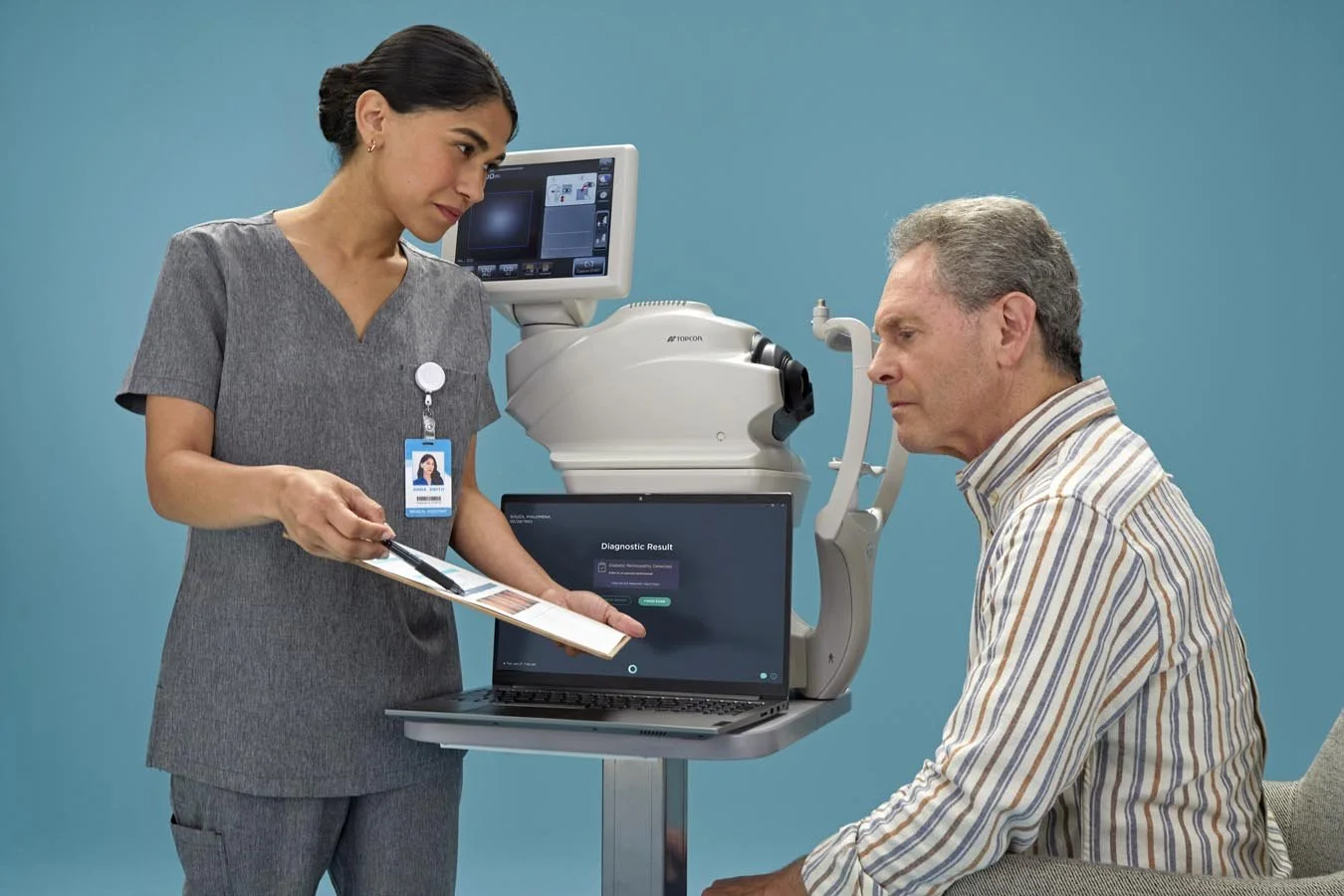
Smartphone apps that can diagnose pneumonia? FDA-approved machines that can diagnose conditions without a doctor? Robot psychotherapy? It’s not coming, it’s here now.

Disruption for Doctors 1: What’s Disruption?
Most doctors, nurses, PAs, techs, and others in healthcare aren’t familiar with the term “disruption” and are unaware of how technological trends have already begun disrupting their current business models. This post is the first of three that will provide a basic understanding of the term, and the phenomenon.

A Closer Look at FDA's AI Medical Device Approvals (2022)
FDA approvals of AI-enabled medical devices are accelerating—but not in the way you might expect. While new startups are entering the space, the real winners remain legacy giants like GE and Siemens. An analysis of the latest FDA data reveals a classic case of sustaining innovation, not disruption, as established players integrate AI to reinforce their dominance.

CoronaGeddon 2019: Why Every Map You've Seen of the Outbreak is Wrong
Every map you’ve seen of the coronavirus epidemic obscures the progression of the epidemic, rather than informing. Not just one map, but all of them. Let me explain how.

Why is Coronavirus Data Visualization So Bad?
If you’ve been following the outbreak, you have probably noticed the predominance of mapping in data visualization about the virus. Maps are great, of course, but I suspect that the huge explosion in GPS/GIS/mapping capabilities over the last decade has given us all a “hammer in search of a nail”, applying maps even when better dataviz tools might apply.