Notes: A Wireless Home EEG You Wear for a Month
Utah startup Epitel raised $26 million on July 28 to get more doctors prescribing their REMI wireless home EEG.
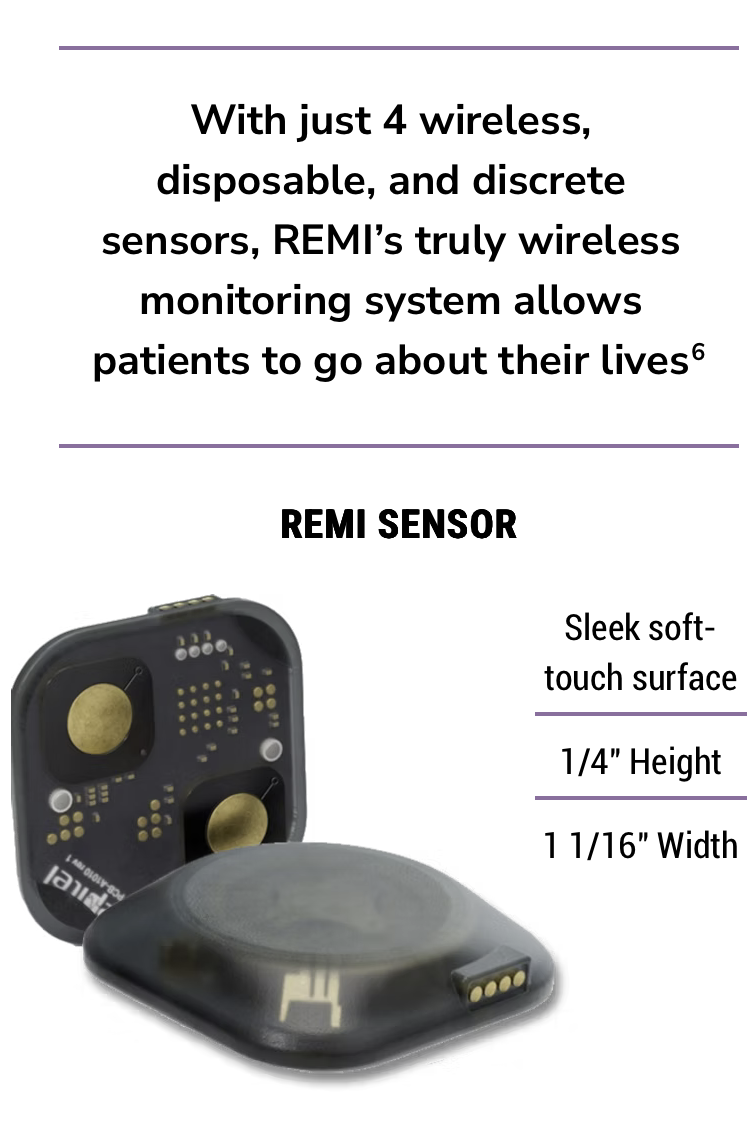
REMI monitors brain activity and identifies seizures. The standard procedure for that today means a stay in an epilepsy monitoring unit (EMU) — and only about 4% of U.S. hospitals have such a specialized center. The patient is wired to a full cap of scalp electrodes and lays in a hospital bed for 3 days, while simultaneous video is recorded. If a seizure happens outside that window, it’s invisible to the system unless the patient reports it.
REMI at home is worse than monitoring in the clinic on a few measures:
lower resolution
no video
no clinician on hand during a seizure
But like many potentially disruptive products, it is much, much cheaper (no hospital admission) and much more convenient.
Even from the medical perspective, it has the huge advantage of monitoring for weeks, rather than three days, thereby possibly catching many more seizure episodes. And in a validation study, REMI’s system correctly identified all the seizures that the standard system spotted.
Bottom Line
About 9.2 million Americans have seizures each year, but only 4% of hospitals have EMUs. With REMI, the doctor prescribes the device, everything else happens at home (actually, I guess even the prescription could happen at home some of the time).
Classic Monitoring Migration.
From the hospital perspective, this is more bad news and revenue loss. From the epileptic patient perspective, it’s great: cost drops, convenience goes up, and extended monitoring might reach everyone who needs it, not only those who can get to an EMU.
And let’s not forget the potential increase in understanding of seizures that may come from a growing database of month-long EEG recordings.