Thoughts
Signals – quick single insights or data points
Notes – medium-length reflections
Longer in-depth essays

The New York Times Got Smaller — Healthcare Is Next
The New York Times built one of the best digital products in media—yet its real revenue and profit have fallen by more than half. That’s what disruption actually looks like: the work moves elsewhere while the industry shrinks. Healthcare is now entering the same pattern, driven by consumer tech, GLP-1s, and safer mobility. We’re heading toward better health—and a smaller healthcare system.

Digital Coaches, Part II: Prevention’s New Business Model
Digital coaches are taking prevention where healthcare and public health can’t reach — into daily life. Activity trackers like Apple Watch, Fitbit, and Garmin now deliver personalized, continuous feedback at global scale, turning prevention into a business that keeps people healthier — and needing healthcare less.

Disruption for Doctors 3: the Rise of Selfcare
As AI and smartphones put more diagnostic power into consumers’ hands, healthcare faces disruption not just within the clinic—but beyond it. From OTC drugs to pneumonia-detecting apps, selfcare is rising fast. This isn’t the future. It’s already here—and it’s shrinking the doctor’s role.
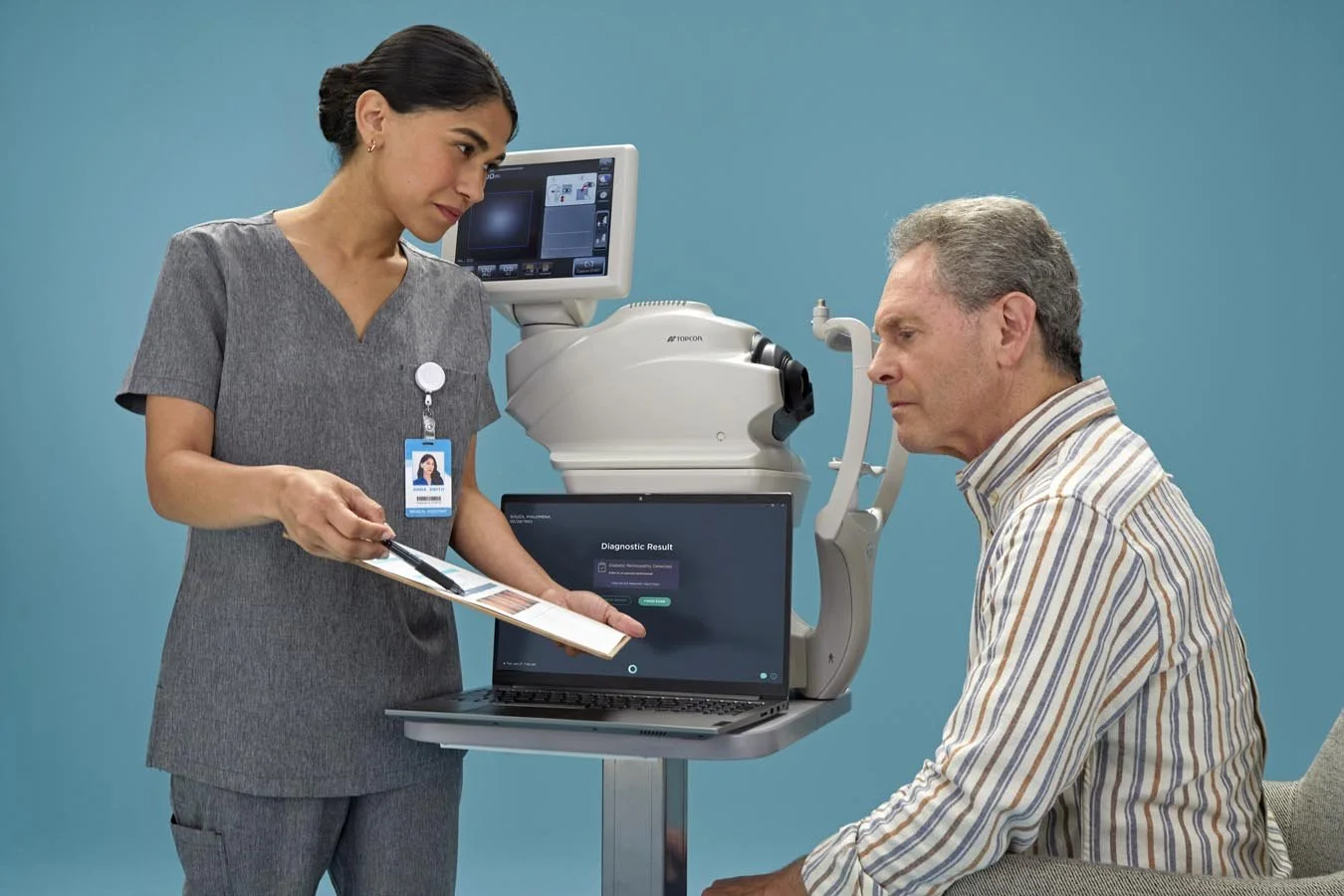
Disruption for Doctors 2: Healthcare Examples
Smartphone apps that can diagnose pneumonia? FDA-approved machines that can diagnose conditions without a doctor? Robot psychotherapy? It’s not coming, it’s here now.

Disruption for Doctors 1: What’s Disruption?
Most doctors, nurses, PAs, techs, and others in healthcare aren’t familiar with the term “disruption” and are unaware of how technological trends have already begun disrupting their current business models. This post is the first of three that will provide a basic understanding of the term, and the phenomenon.