Thoughts
Signals – quick single insights or data points
Notes – medium-length reflections
Longer in-depth essays
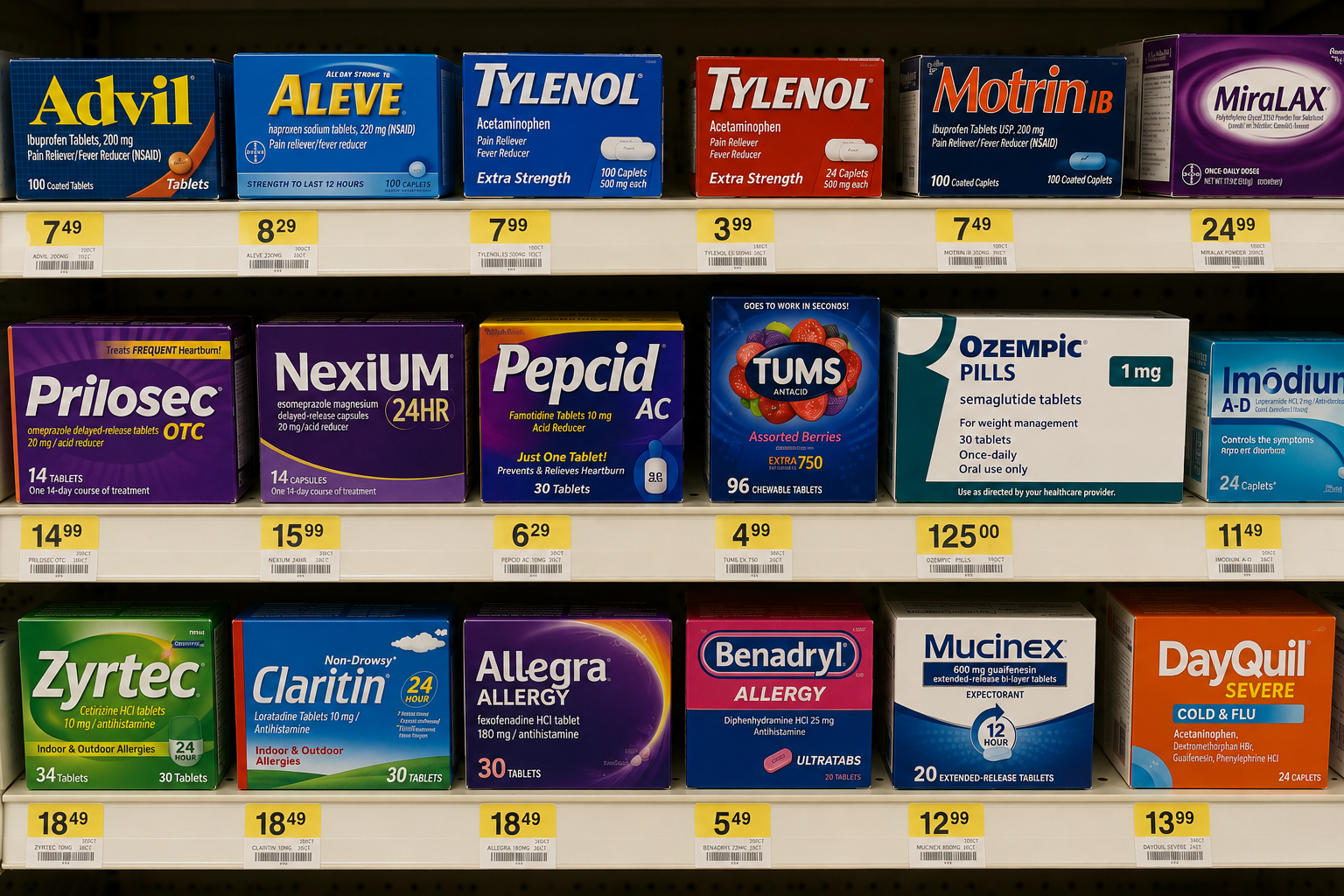
Ozempic Is Already Kind of OTC. Let's Make It Official.
Forty-five of 49 telehealth sites prescribed a GLP-1 to a fake patient based on a web form and an upper-body photo. The prescription requirement doesn’t exist in practice. Given a benign 20-year safety record and a new FDA pathway for OTC drugs that need screening, it may be time to stop pretending otherwise.
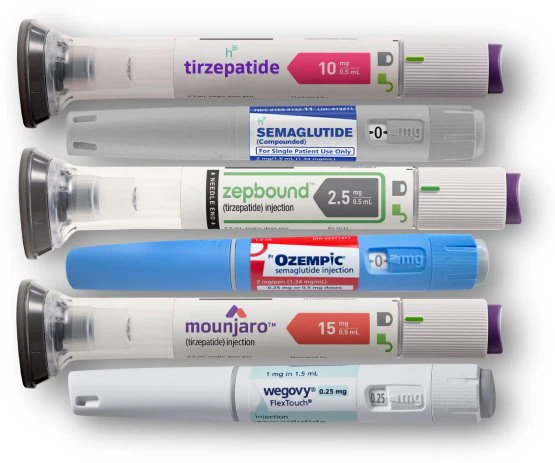
The First Healthcare Demand Shock of the 21st Century
GLP-1 medications may do far more than treat diabetes or reduce weight. If they substantially cut obesity and metabolic disease, they could trigger the first large-scale decline in healthcare demand seen in the modern era. This piece explores how earlier demand shocks reshaped medicine, why GLP-1s pose a similar challenge for chronic-disease–based service lines, and what hospitals must do now to prepare for a world with fewer cardiometabolic patients.

The New York Times Got Smaller — Healthcare Is Next
The New York Times built one of the best digital products in media—yet its real revenue and profit have fallen by more than half. That’s what disruption actually looks like: the work moves elsewhere while the industry shrinks. Healthcare is now entering the same pattern, driven by consumer tech, GLP-1s, and safer mobility. We’re heading toward better health—and a smaller healthcare system.
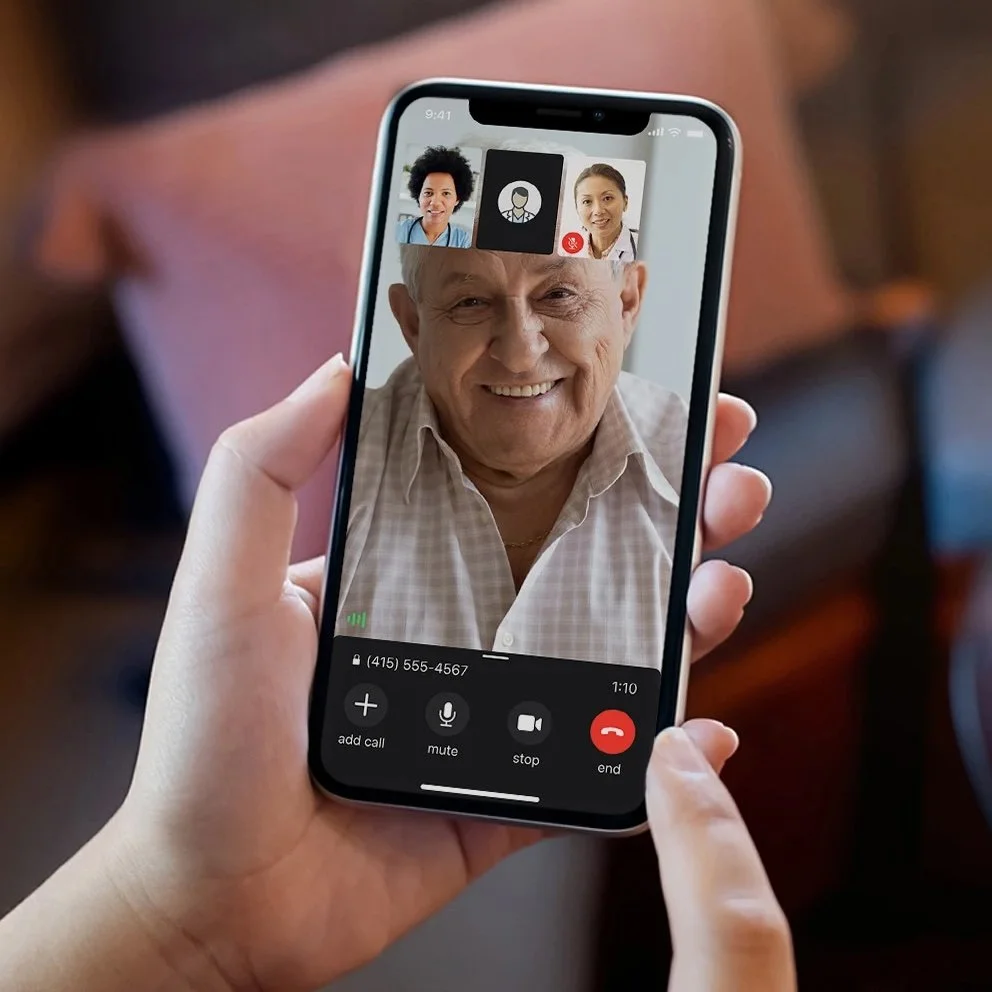
Fewer Admissions = Fewer Emissions: The Environmental Case for Consumerization of Healthcare
From telemedicine to wearables, fewer clinic visits mean fewer emissions. And as new products like low-carbon inhalers and self-administered HIV therapies move toward over-the-counter access, the environmental benefits of consumerization become even clearer.

Disruption for Doctors 1: What’s Disruption?
Most doctors, nurses, PAs, techs, and others in healthcare aren’t familiar with the term “disruption” and are unaware of how technological trends have already begun disrupting their current business models. This post is the first of three that will provide a basic understanding of the term, and the phenomenon.