Thoughts
Signals – quick single insights or data points
Notes – medium-length reflections
Longer in-depth essays
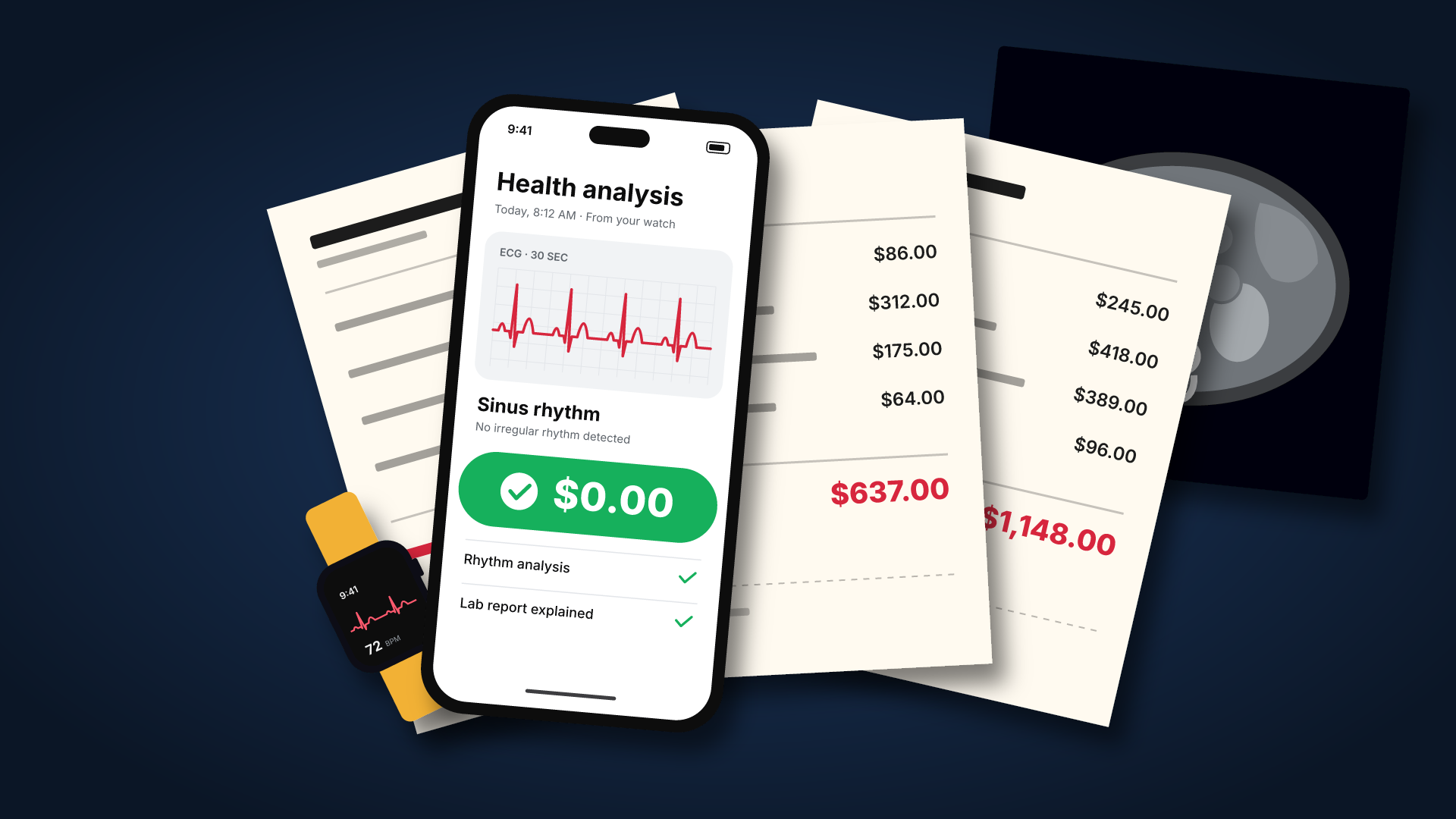
When Medical Testing Becomes Free
As medical testing becomes software, new tests and interpretations can be bundled into phones, watches, and subscriptions. Big Tech can earn money by giving them away, putting pressure on healthcare companies that sell them. What will this mean for patients, labs, and healthcare orgs?
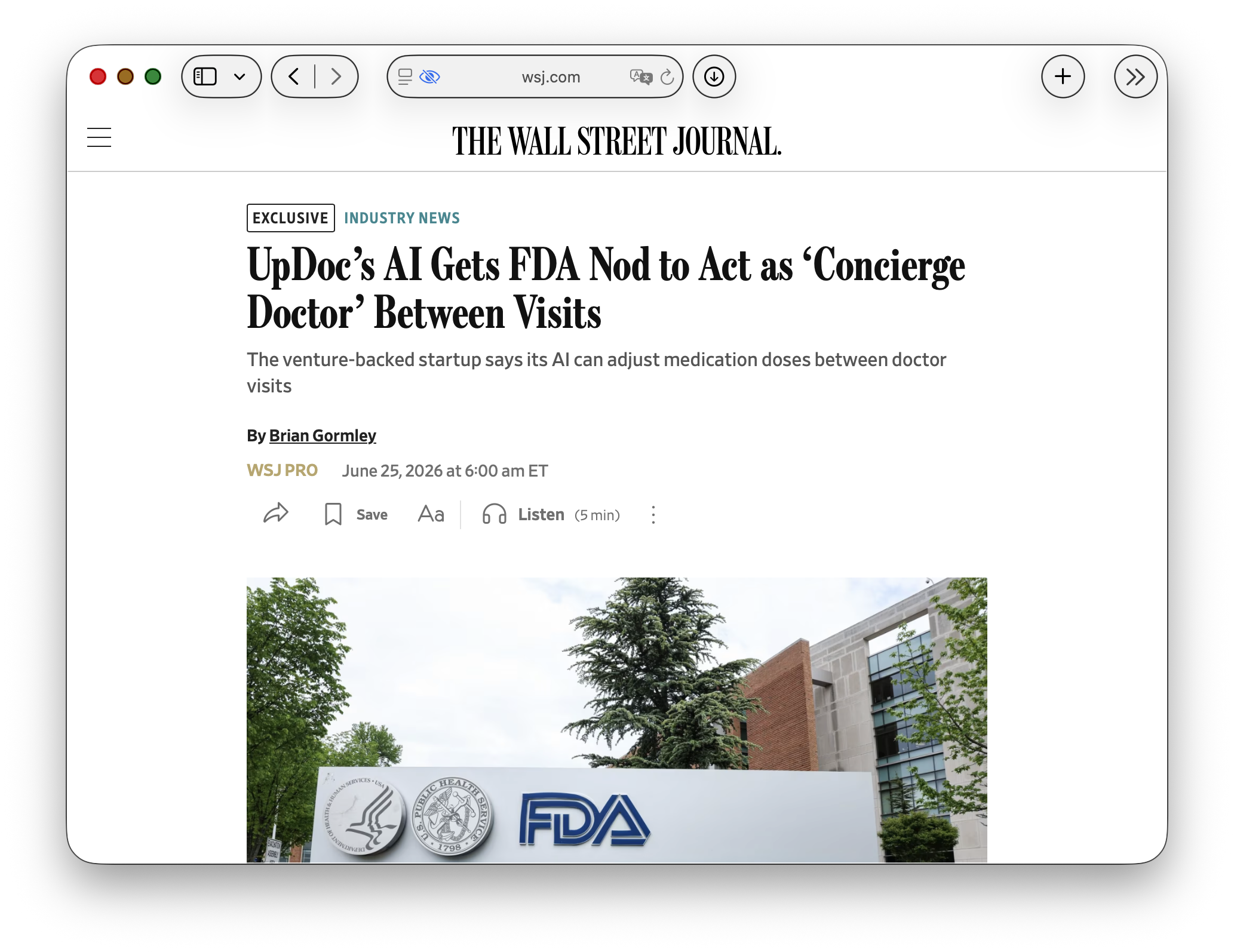
One Step Closer: AI Prescribing Drugs
The FDA just cleared UpDoc, software that adjusts medication doses between doctor visits — close to what Doctronic has been running in Utah. In both, AI does what only a licensed prescriber used to, and both stay inside the system for now. Sustaining innovation for the system, potentially disruptive for the doctor.
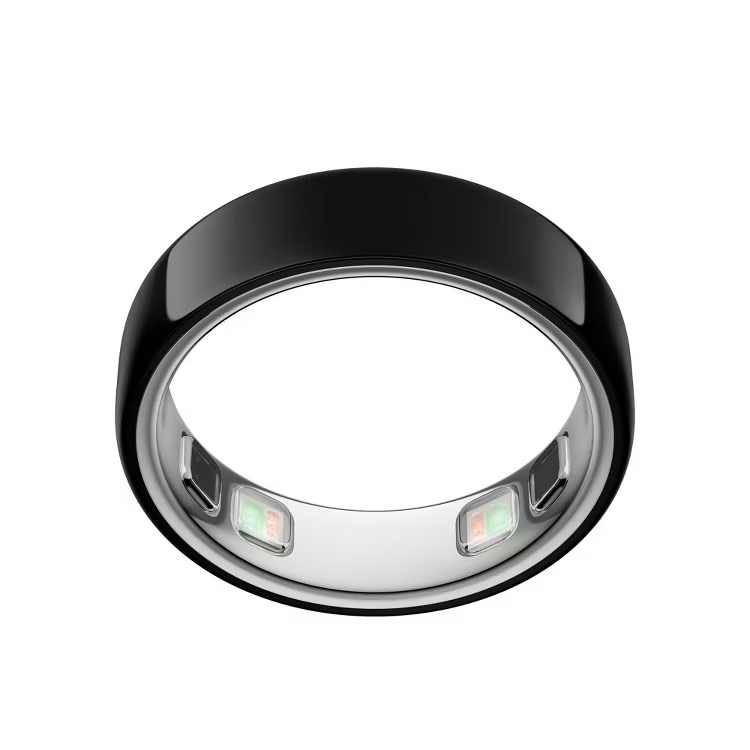
The Ring is the New Front Door
The front door to healthcare is a funnel: it directs patients to higher-level care, where the money is. Oura and Whoop are rebuilding that front door on a consumer subscription — and the demand it absorbs never shows up in the claims data.
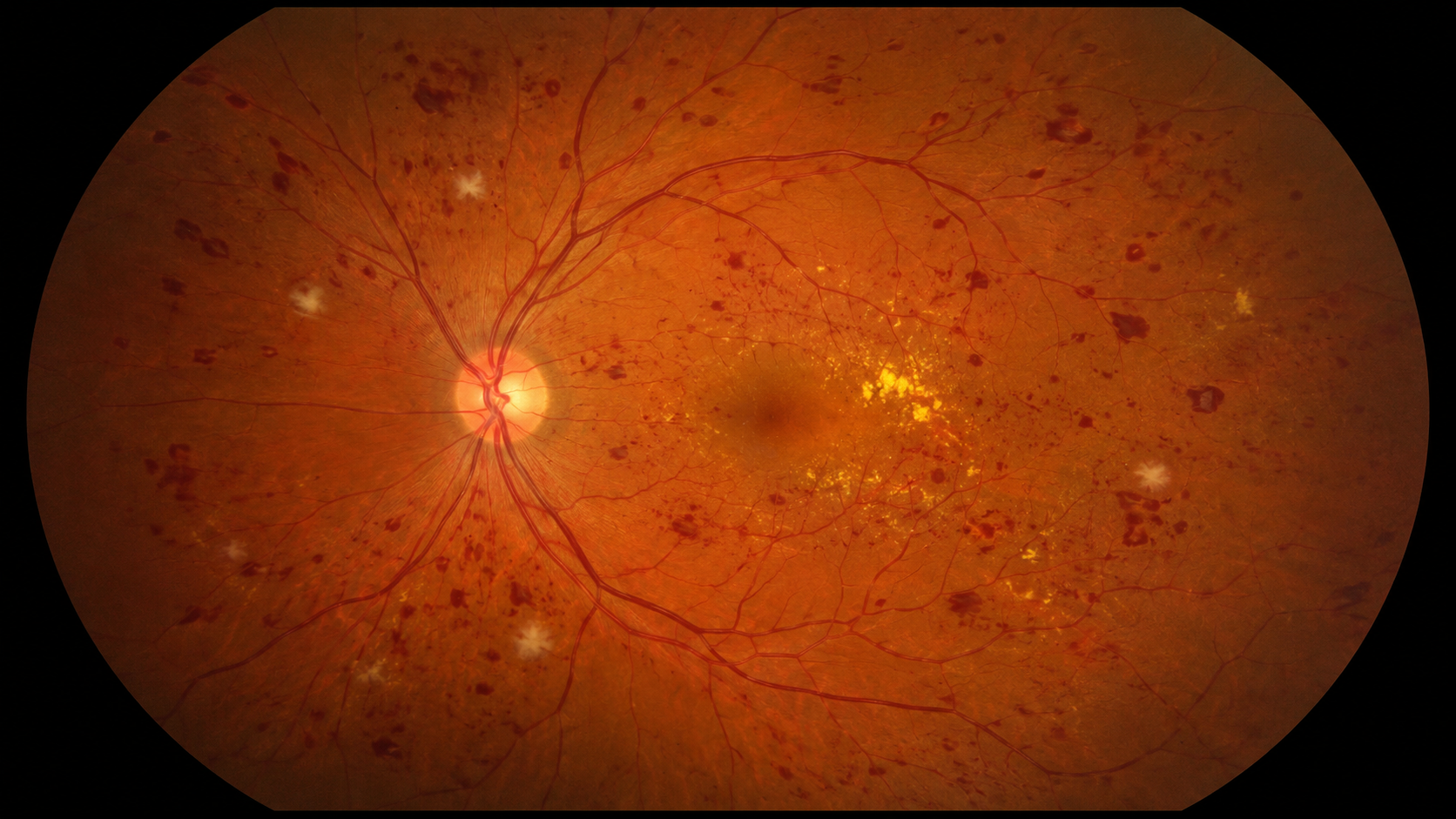
AI Is Already Practicing Medicine
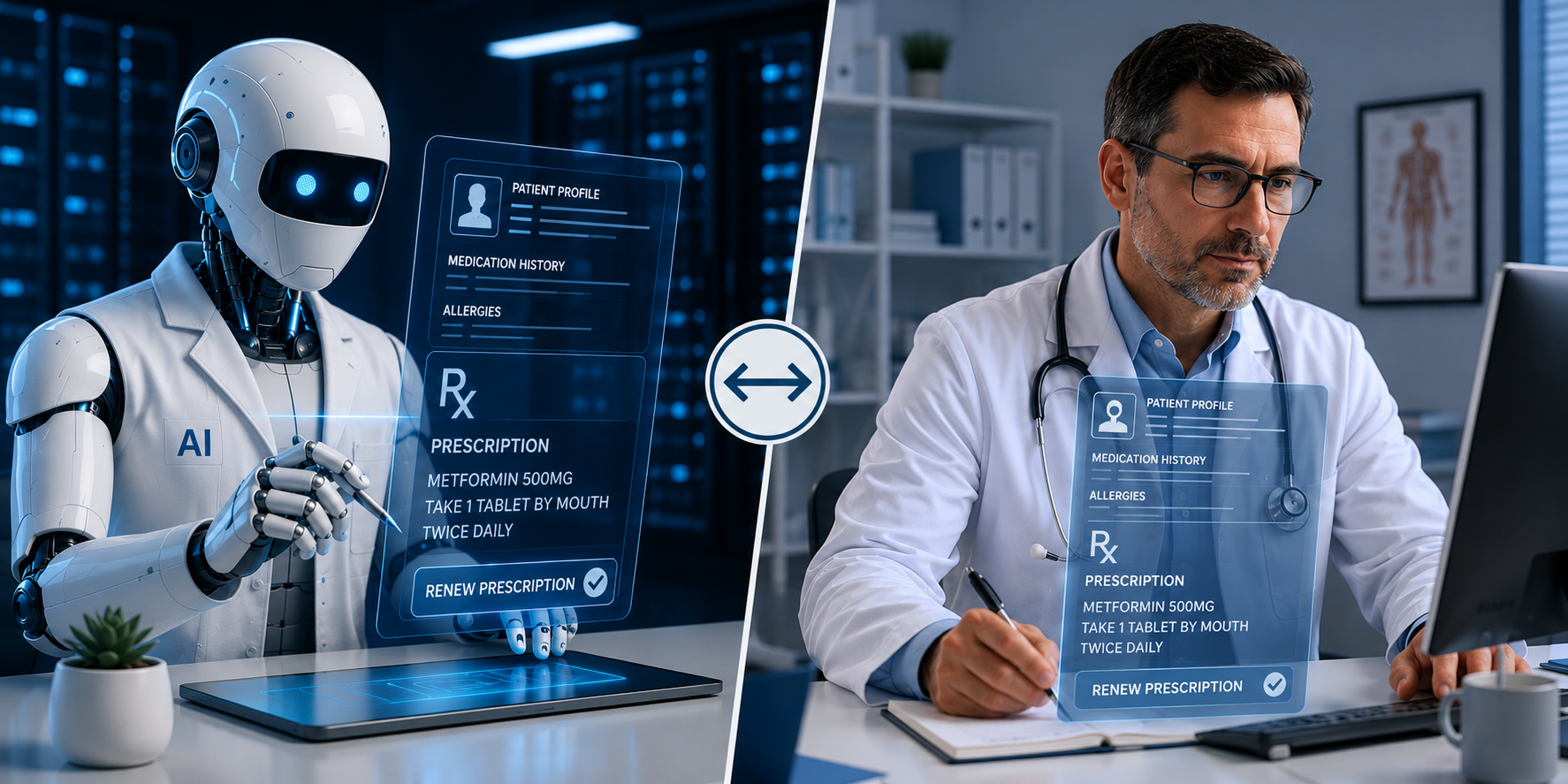
A surgeon posted on on LinkedIn that Silicon Valley, incorrectly, believes AI will be practicing medicine "momentarily." But AI has been diagnosing diabetic retinopathy with no physician since 2018, and this year another began renewing prescriptions in Utah. Both AI vendors carry malpractice insurance — because both AI systems are practicing medicine.
Signals: Utah's AI Prescriber Was More Cautious Than the Doctors Auditing It
Five months into Utah's Doctronic pilot — the first US program authorizing AI to recommend prescription renewals — the state just released outcome data. The AI's renewal recommendations are statistically indistinguishable from a second physician's. And when the AI defers to a human, it defers more often than a human would.

AI Doesn't Replace Doctors. It Replaces the Reasons to See One
Danielle Ofri’s latest New York Times essay is the latest entry in a familiar genre: the physician explaining why AI cannot replace doctors. But the real question hospital systems, medical schools, and workforce planners need to answer is not whether AI will replace doctors. It is how many physicians we will need once the set of tasks that only physicians can perform are dramatically reduced.
The Most Important Number Your Doctor Has Never Measured
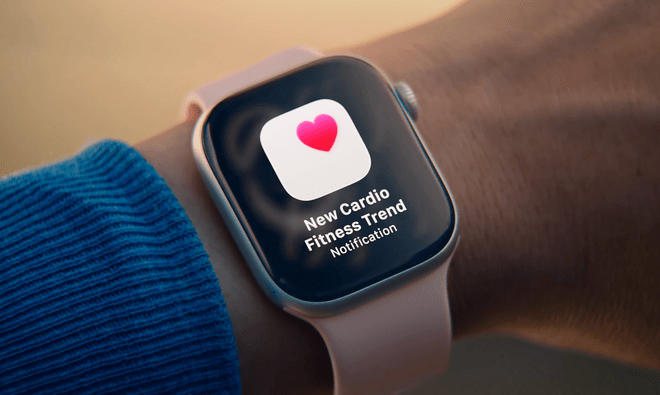
There's a number that predicts whether you'll be alive in ten years better than your blood pressure, your cholesterol, your BMI, or whether you smoke. The American Heart Association has been recommending it as a vital sign since 2016. Your doctor has almost certainly never measured it. Apple Watch measures it every time you take a brisk walk.
Notes: 14 Million Appointments That Didn't Happen
Gallup says 14 million U.S. adults skipped a provider visit last month after using AI, which adds up to 168 million skipped visits per year. That's 16% of monthly physician visits — and it’s completely invisible in claims data, and ignored in healthcare planning.
Notes: the Prescription You Can’t See
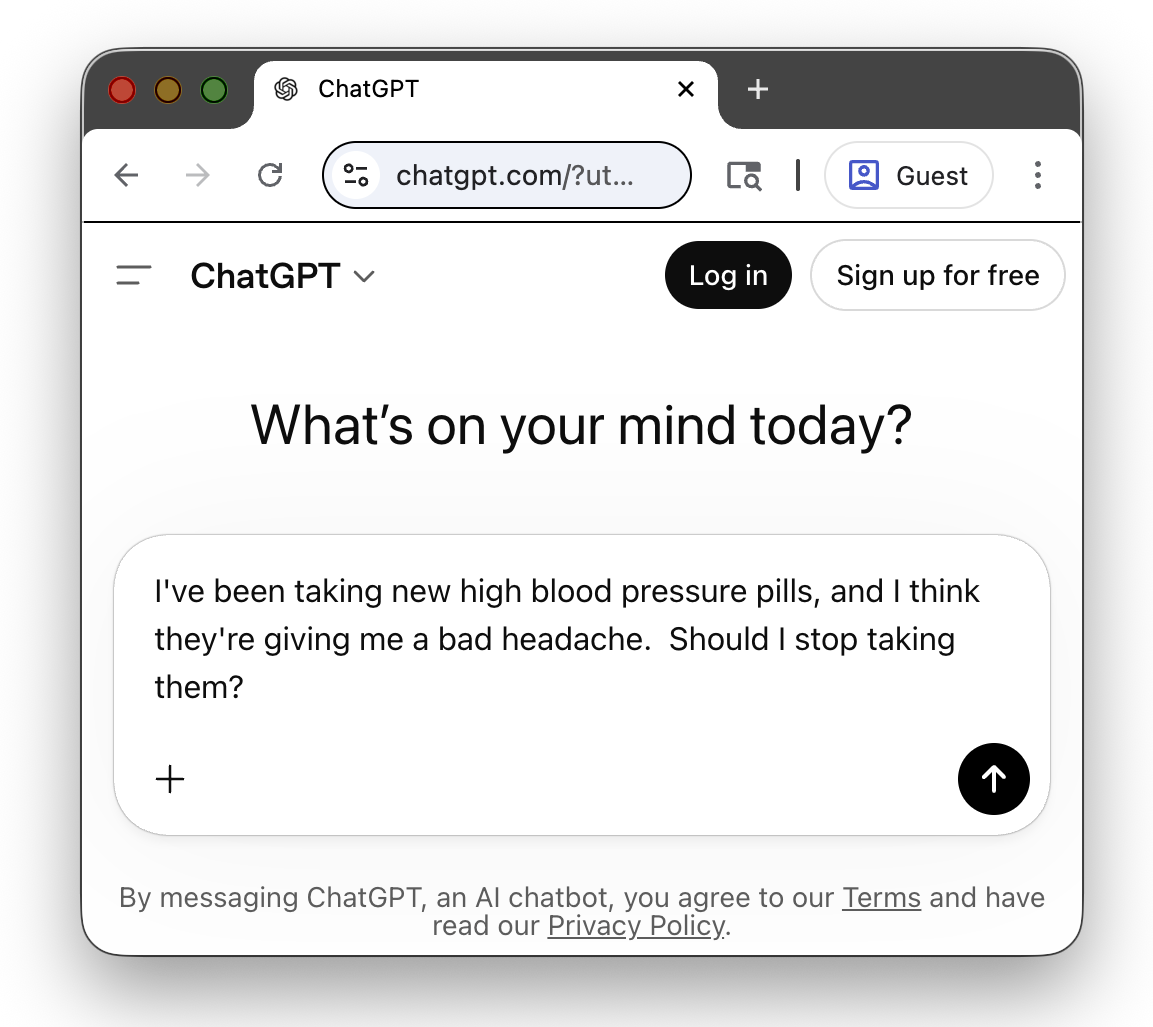
Eighteen percent of AI chatbot users have adjusted a medication based on a chatbot conversation. No doctor, no clinical oversight, no documentation anywhere in the healthcare system. The prescribed regimen and the actual regimen are diverging moore and more, via a channel that is invisible to healthcare.
A Podcast with Scott Becker of Becker’s Hospital Review
Happy to discuss healthcare growth, primary care’s decline, consumer health tech, and self-driving cars with the very well-informed Scott Becker, in this episode of Becker’s Healthcare Podcast.
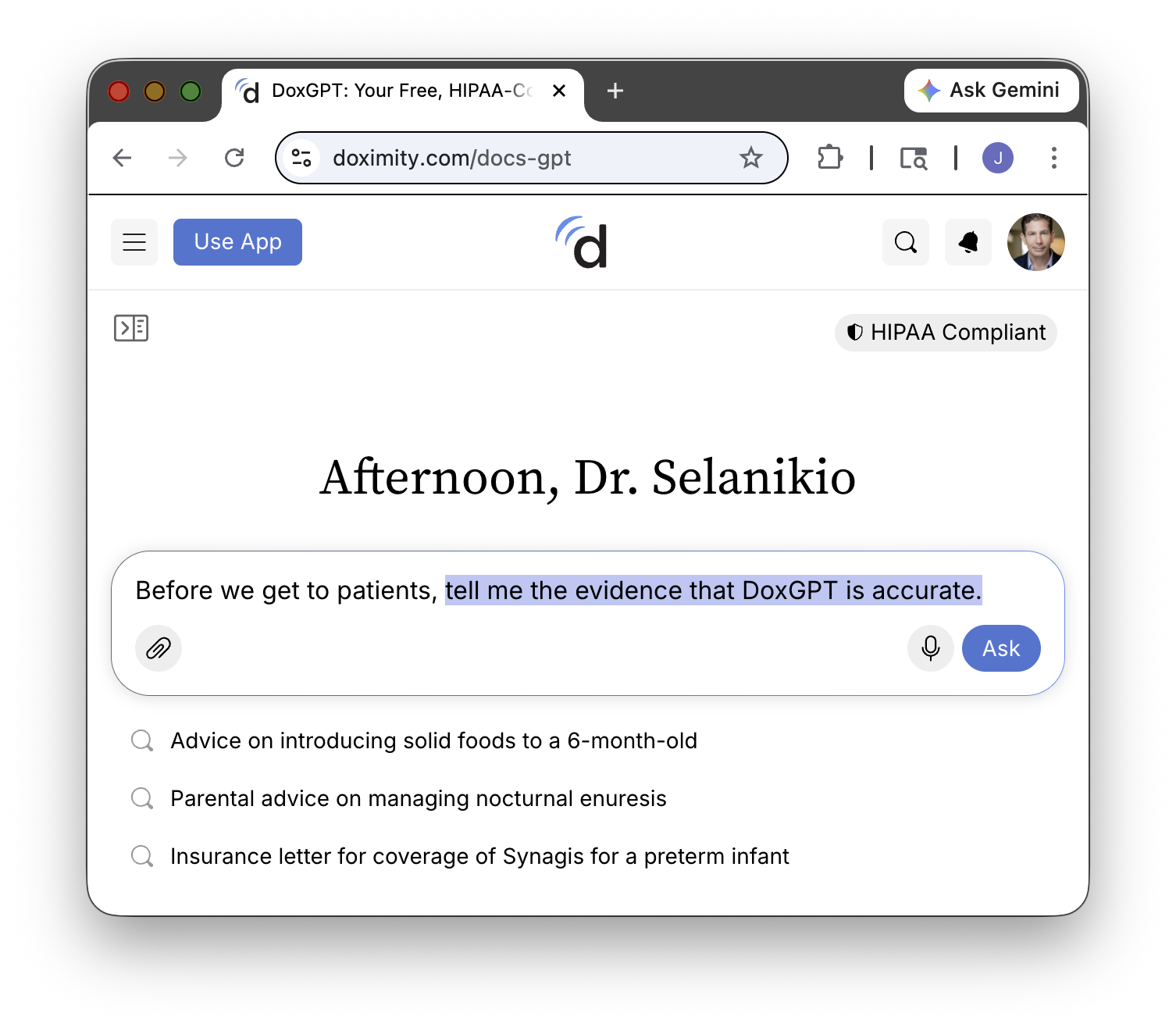
Your Doctor’s Favorite AI Has Never Been Tested
40% of U.S. physicians use OpenEvidence. DoxGPT had 300,000 clinician users last quarter. UpToDate just launched Expert AI. Not one of these tools appears to have been independently tested for accuracy or safety. A profession built on evidence-based medicine is adopting AI with no evidence.
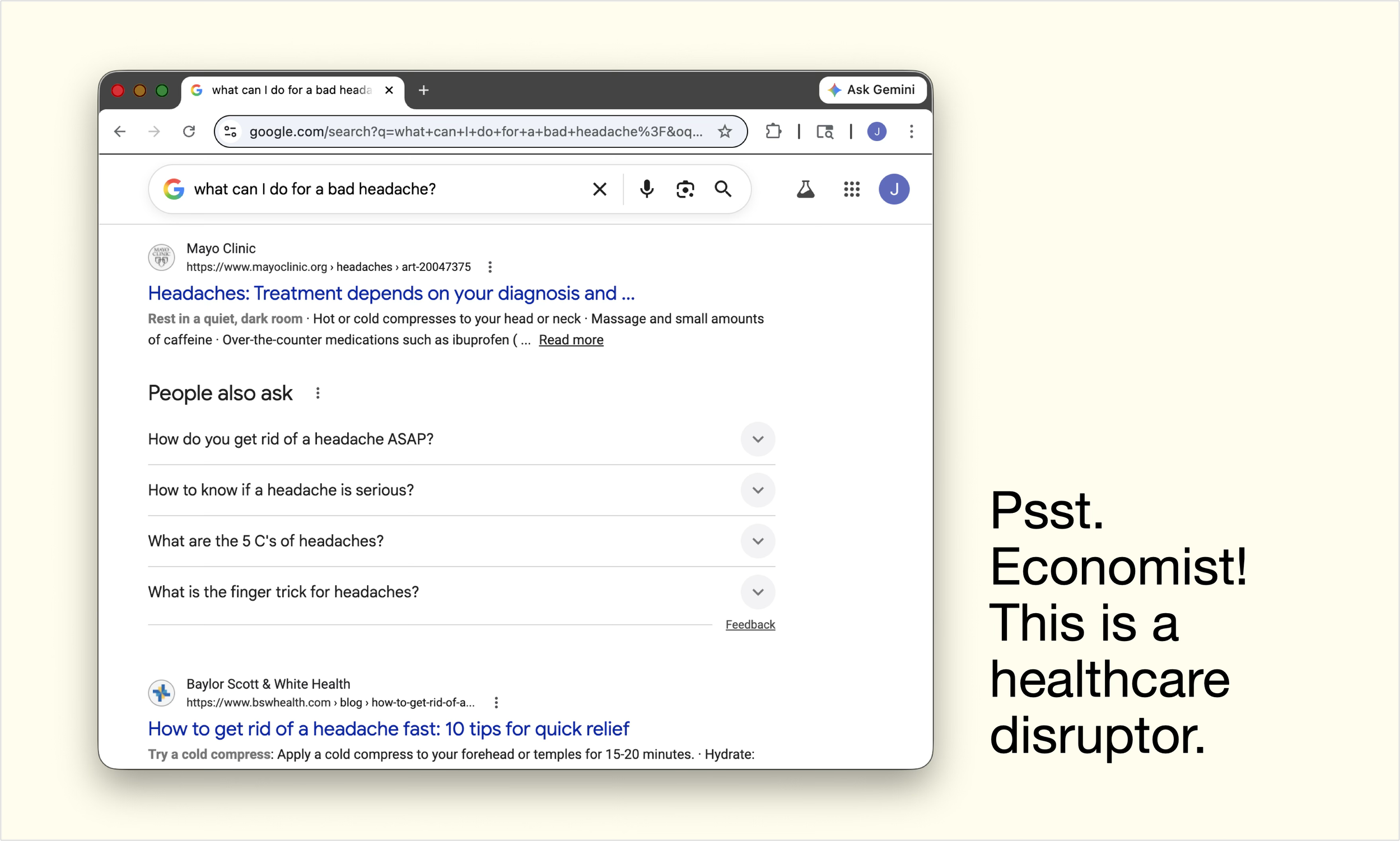
The Economist Wrote About Healthcare Disruption — But Missed the Disruption
The Economist says healthcare has "proved resistant to treatment from disrupters." If that's true, why has per capita spending growth been falling for fifty years? Why have primary care visits dropped 24%?
Because the Economist, and the healthcare system, don't count disruption that doesn't call itself healthcare.
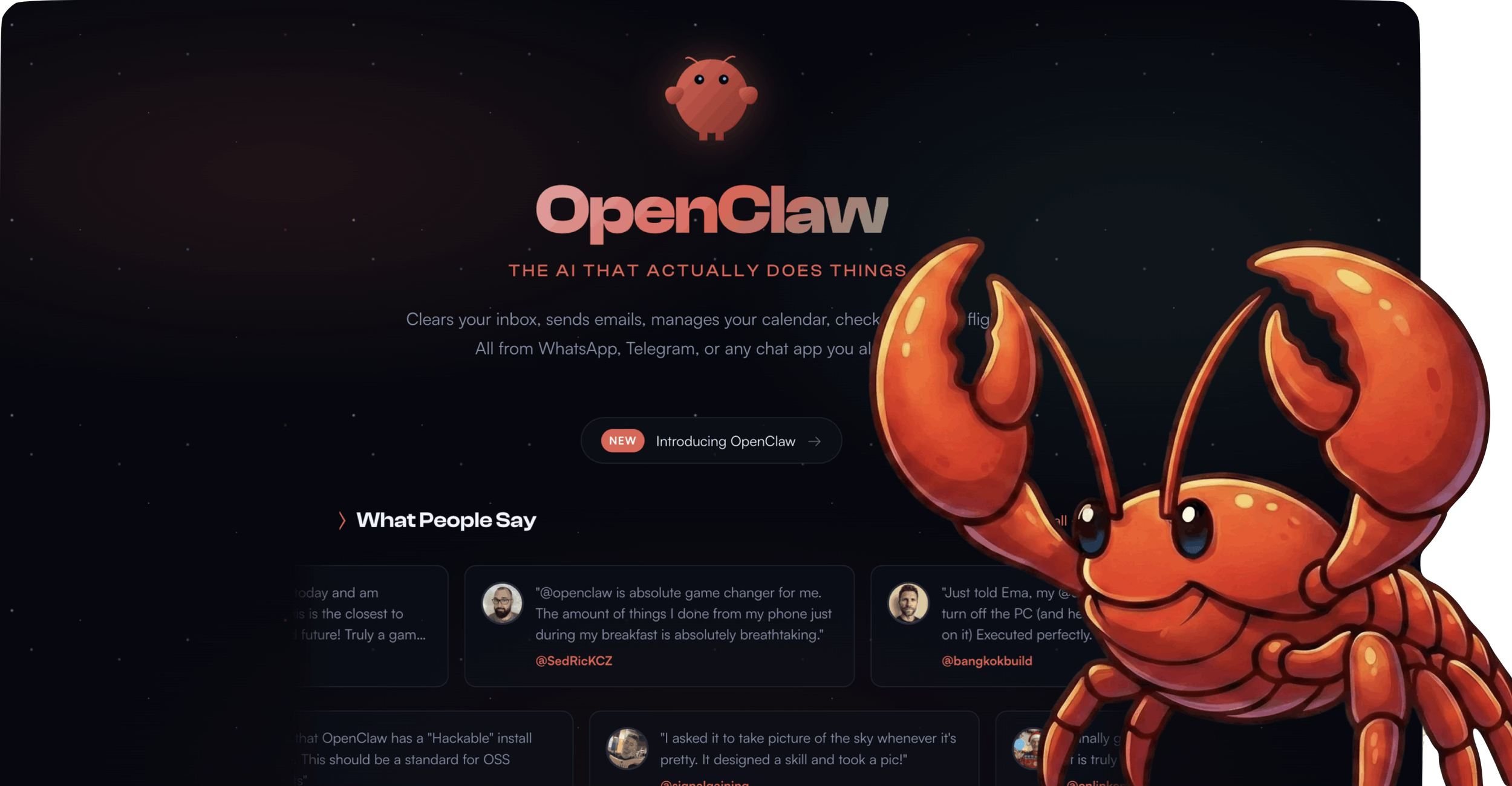
The Continuous "Dr. You": OpenClaw and the Future of Personal Health Management
Current AI health tools share the same flaw as traditional healthcare: they're episodic, not continuous. OpenClaw — a nerdy new tool that’s shot to 2 million users in nothing flat — shows us what comes next: AI assistants that monitor your health 24/7, cross-reference data sources, and act on your behalf without being asked.
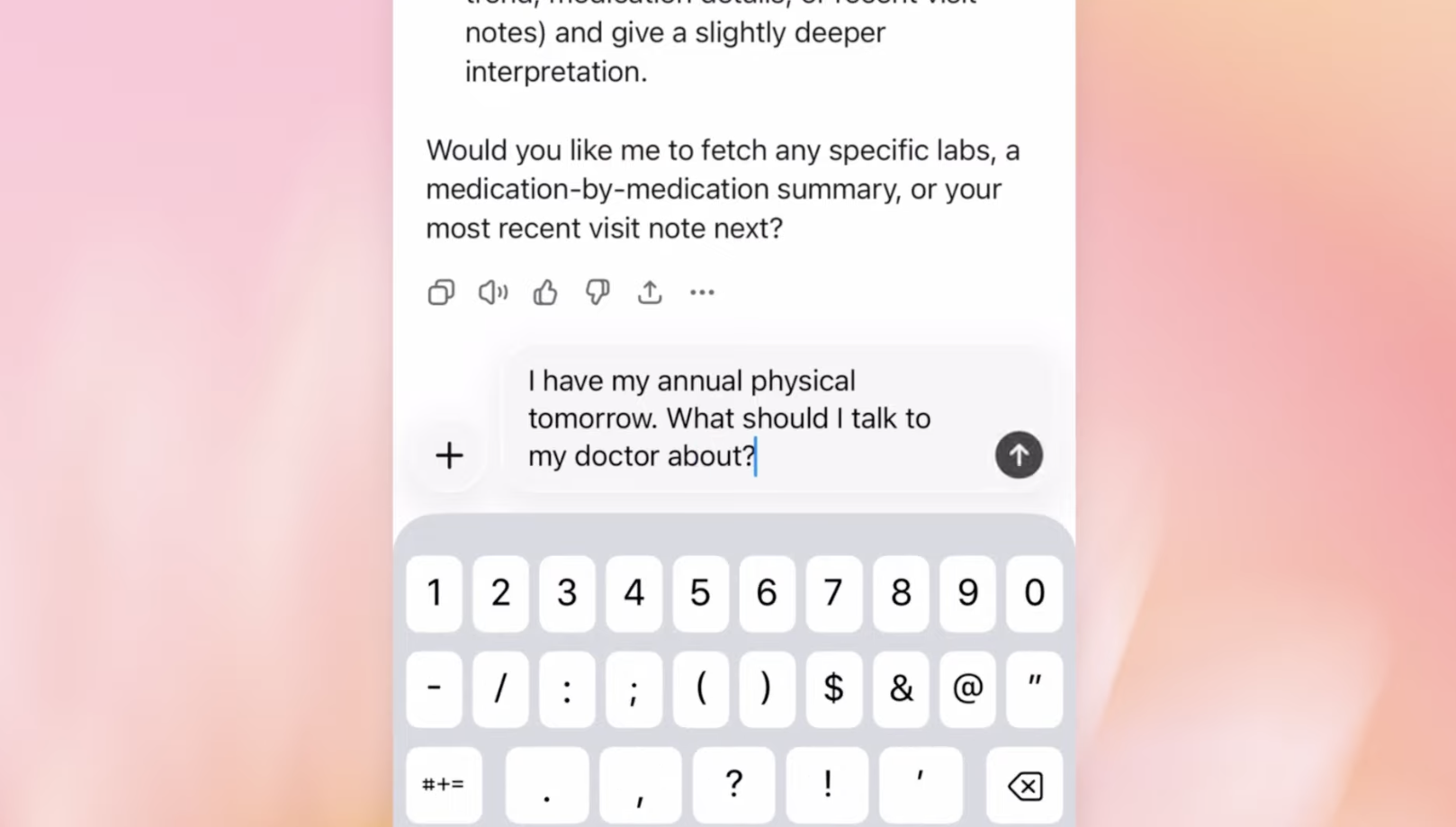
From Exam Room to Living Room: The New Health System, Part 1
For the last 50 years, the engine of technology innovation has been a consumer engine. Consumers have steadily accumulated new health capabilities—including diagnosis, treatment, and monitoring—much faster than healthcare organizations. This has caused a decades-old, large-scale migration of health-related activity from the healthcare system to the consumer tech system. But in my experience speaking with hundreds of healthcare CEOs and board members, these migrations remain largely invisible to healthcare leadership.
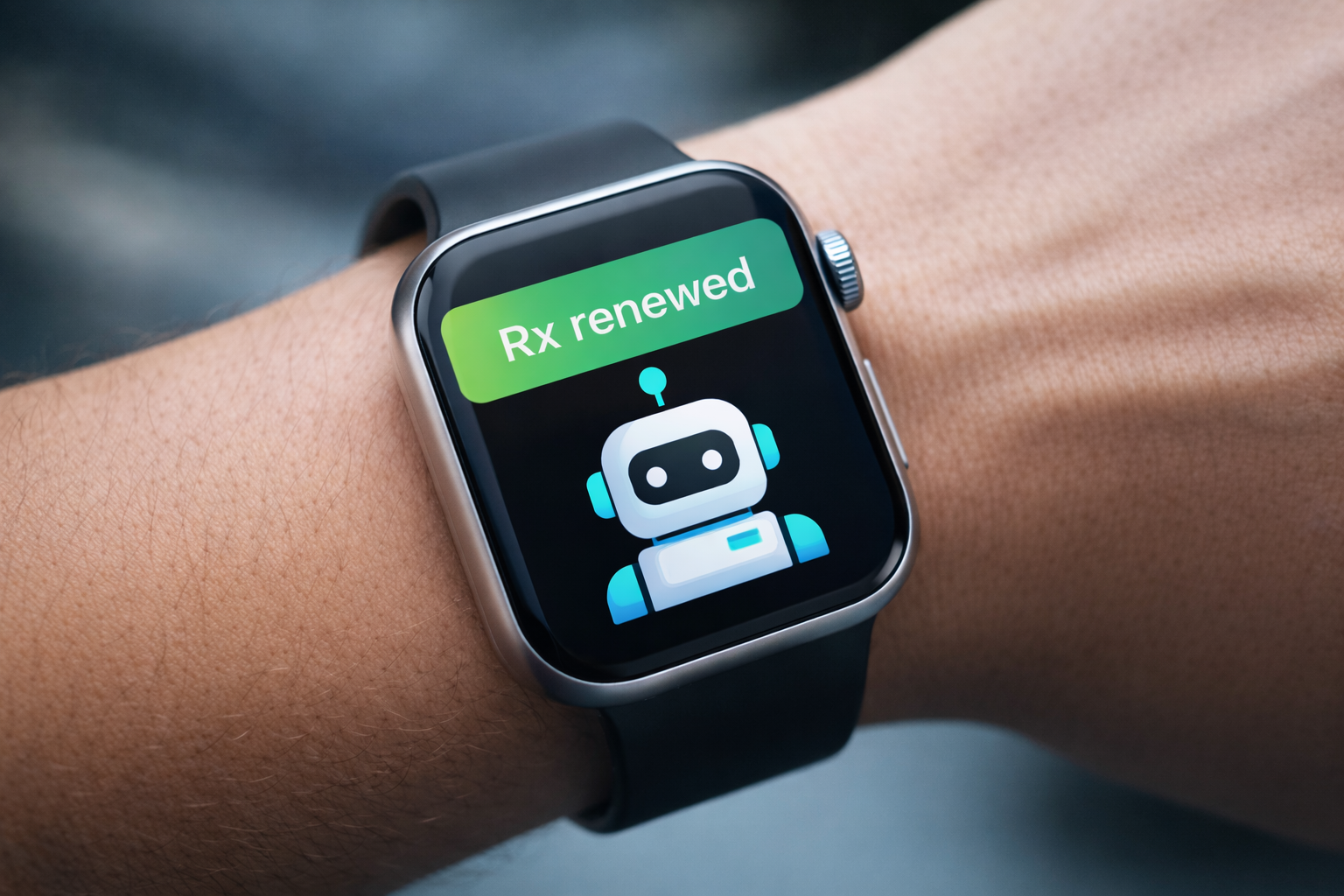
Digital Coaches, Part III: FDA + Utah Accelerating the Consumer Health Shift
The FDA just updated its General Wellness guidance, allowing consumer devices to measure clinical parameters for coaching—no clearance required. The same week, Utah let AI renew prescriptions with no doctor. Both are doing the same thing: moving healthcare tasks out of traditional systems and into consumer channels.

The Rise of Digital Health Coaches
AI health coaches aren’t just for athletes anymore. They’re starting to handle the day-to-day interpretation, advice, and treatment adjustments that once required doctors. From glucose monitoring to hypertension management, technologies like Dexcom, Teladoc, and Omada are quietly taking over the work of routine clinical decision-making. This new generation of digital health coaches marks the next step in a long trend — technology shrinking healthcare by making us need it less.

Forget the EHR — Your Health Data’s On Your Phone
The overwhelming majority of health-relevant data —movement, behavior, speech, sleep — is now generated outside the clinical setting. As a result, health innovation is increasingly shifting toward consumer devices and tech platforms that actually hold the data — not the EHR or the healthcare system.

Is Autonomous Driving Healthcare’s Most Important Competitor?
Hospitals worry about retail clinics and other healthcare competitors. But real disruption may come from outside healthcare entirely: cars that don’t crash. As autonomous driving becomes safer and more widespread, the revenue ripple effects on emergency departments, orthopedics, and imaging will be profound—and sooner than most systems expect.

The Empowerment of Consumers for Health: A Long Trend, Accelerated by AI
The public conversation about AI in healthcare swings between extremes—some predict it will replace doctors, others that it will usher in a golden age for medicine. So which is it? In my recent American Family Physician editorial, I explore how AI is less a disruptor of doctors than a powerful accelerator of consumer-driven health.

The Coming Collapse of Medical Demand
Innovations like GLP-1 drugs, self-driving cars and AI therapy chatbots are driving down illness, injury and the demand for traditional care. Rather than just improving delivery, these shifts reduce the need for doctors altogether. Snack food CEOs are planning for an Ozempic world. Why aren’t healthcare execs?