The Continuous "Dr. You": OpenClaw and the Future of Personal Health Management
AI models like ChatGPT, Claude, and Gemini are getting serious attention for what they can do that improves on the traditional healthcare system. As the New York Times recently noted, while imperfect, they are "empathetic, available, cheap." They can explain complex medical concepts, analyze symptoms, interpret lab results, and provide personalized health guidance that would have seemed like science fiction five years ago.
But these AI models share a critical flaw with the traditional healthcare system: they're episodic. They only work when you're actively engaging with them. They forget context between sessions, can't run tasks in the background, and never take initiative. The healthcare system does have a proactive aspect - annual checkups - but once a year is painfully far from real-time monitoring. Between those visits, both AI chatbots and traditional care are reactive, waiting for you to notice something is wrong.
For management of our health over time, this episodic model is poorly fit for purpose. And that's true whether you have a chronic condition or you're generally healthy and want to stay that way.
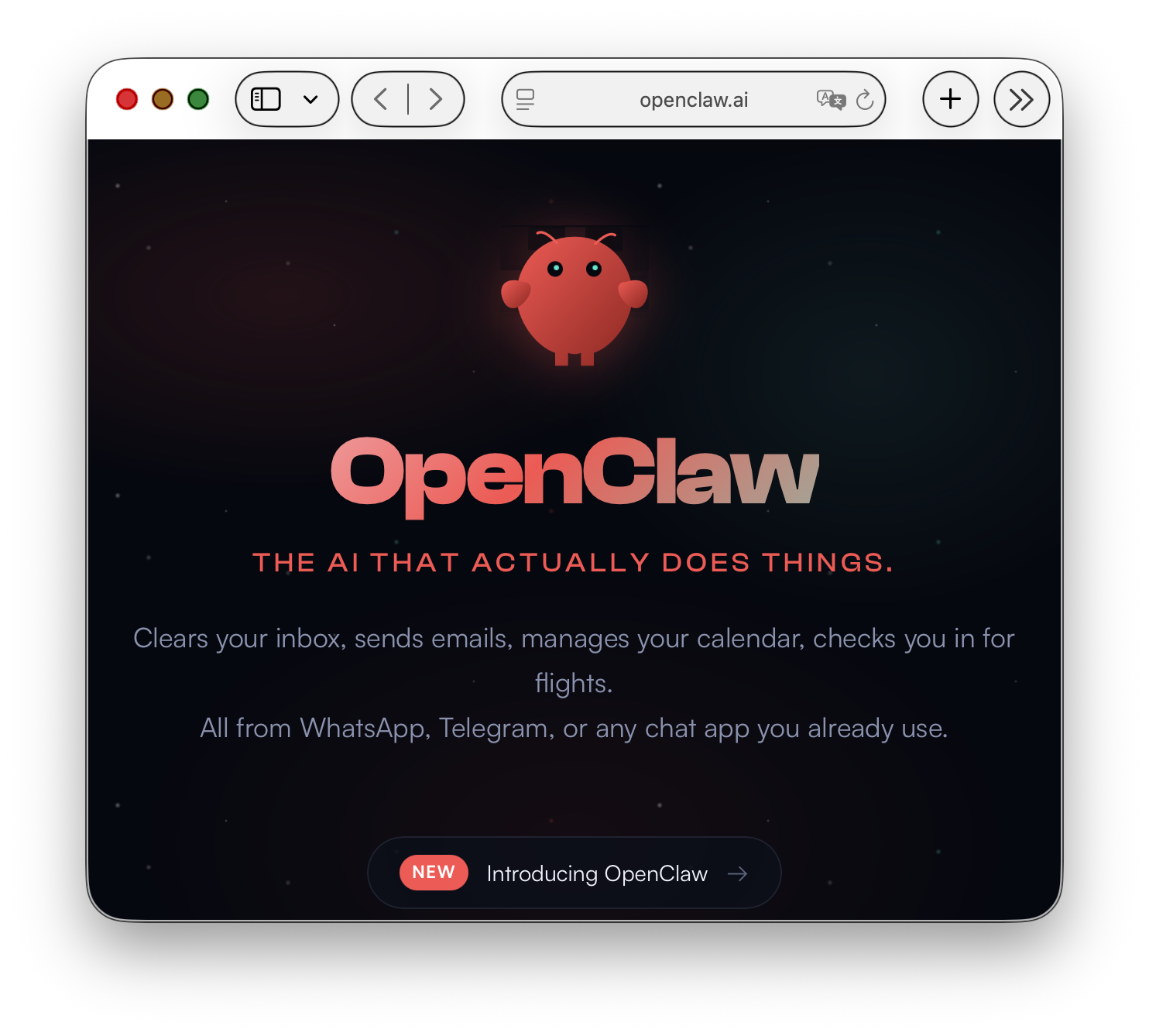
This month, I've been watching OpenClaw, a not-ready-for-prime-time but hugely popular nerd project that nonetheless illustrates how we might solve these problems. (For background on OpenClaw's rapid rise and security concerns, see TechCrunch's overview.)
What OpenClaw Does Differently
OpenClaw is a personal AI that runs continuously on your own computer. Unlike chatbots, it runs in the background, remembers everything, performs scheduled tasks automatically, and takes initiative without being asked. For healthcare, where continuous monitoring matters more than episodic conversations, this architecture changes everything.
1. Automatically gathers data
Instead of waiting for you to upload data, OpenClaw can check your glucose monitor every 15 minutes, pull activity data throughout the day, monitor your pharmacy for refills, watch for lab results in email, and prepare summaries before doctor appointments. Your data gets collected and acted upon continuously without you remembering to track anything.
2. Cross-references data
Apple Health and Fitbit show charts and send basic alerts - heart rate went up, sleep score declined. But they don't connect dots across multiple data sources. OpenClaw can cross-reference everything: your step count drops 40% on days when sleep quality is poor. It could even connect grocery purchases (via store loyalty apps) to activity, sleep quality, or diabetes risk — which as far as I know has never been done at any scale.
3. Communicates intelligently and acts on your behalf
It communicates several ways:
Passive dashboards when you want to check in
Alerts when patterns emerge: "Your resting heart rate has been elevated for three days - this could be an early sign of infection, or stress"
Followup: "If you think either of those could be possible, we can explore next steps"
and maybe the best for last:
Actions on your behalf: OpenClaw could automatically schedule follow-up appointments when lab values fall outside ranges, create pre-appointment summary brief to show to doctors, order prescription refills, create shopping lists based on dietary restrictions, and adjust smart home settings based on sleep data.
The Lobster Cometh
For more and more people, the present is something like "with substantial effort, I use wearables, portals, and AI to better understand my health data, track symptoms, and prepare for doctor visits."
With tools like OpenClaw, we can imagine a future more like "I have a continuous AI assistant handling data collection, analysis, specialist coordination, and scheduling. It only alerts me when there's an issue or decision needed."
OpenClaw is too insecure, and too technical for mainstream adoption today. But it's a preview of what's coming — and of demand: it went from obscurity to 2 million weekly users in weeks.
You can bet Apple will integrate this, or something like it (iClaw? Apple Claw?) into the Health app. Specialized health AI companies will build HIPAA-compliant versions for chronic conditions. Consumer AI platforms will add always-on agent modes.
It's not a question of whether this will happen: it's happening now.
Related reading:
Have you experimented with OpenClaw or similar agent frameworks? I'm particularly interested in healthcare use cases and security considerations. Reach out at joel@futurehealth.live.