Thoughts
Signals – quick single insights or data points
Notes – medium-length reflections
Longer in-depth essays
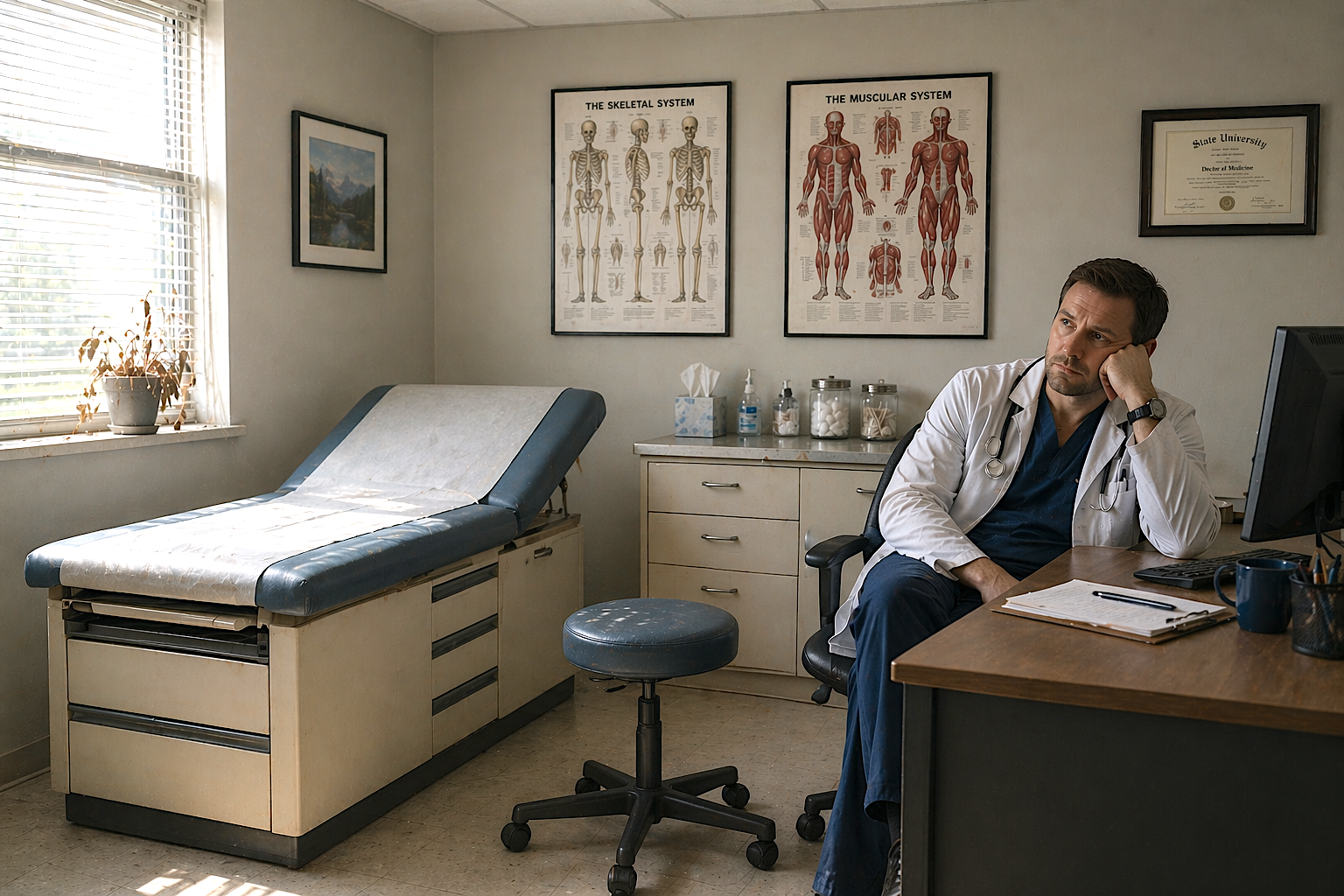
Notes: 14 Million Appointments That Didn't Happen
Gallup says 14 million U.S. adults skipped a provider visit last month after using AI, which adds up to 168 million skipped visits per year. That's 16% of monthly physician visits — and it’s completely invisible in claims data, and ignored in healthcare planning.
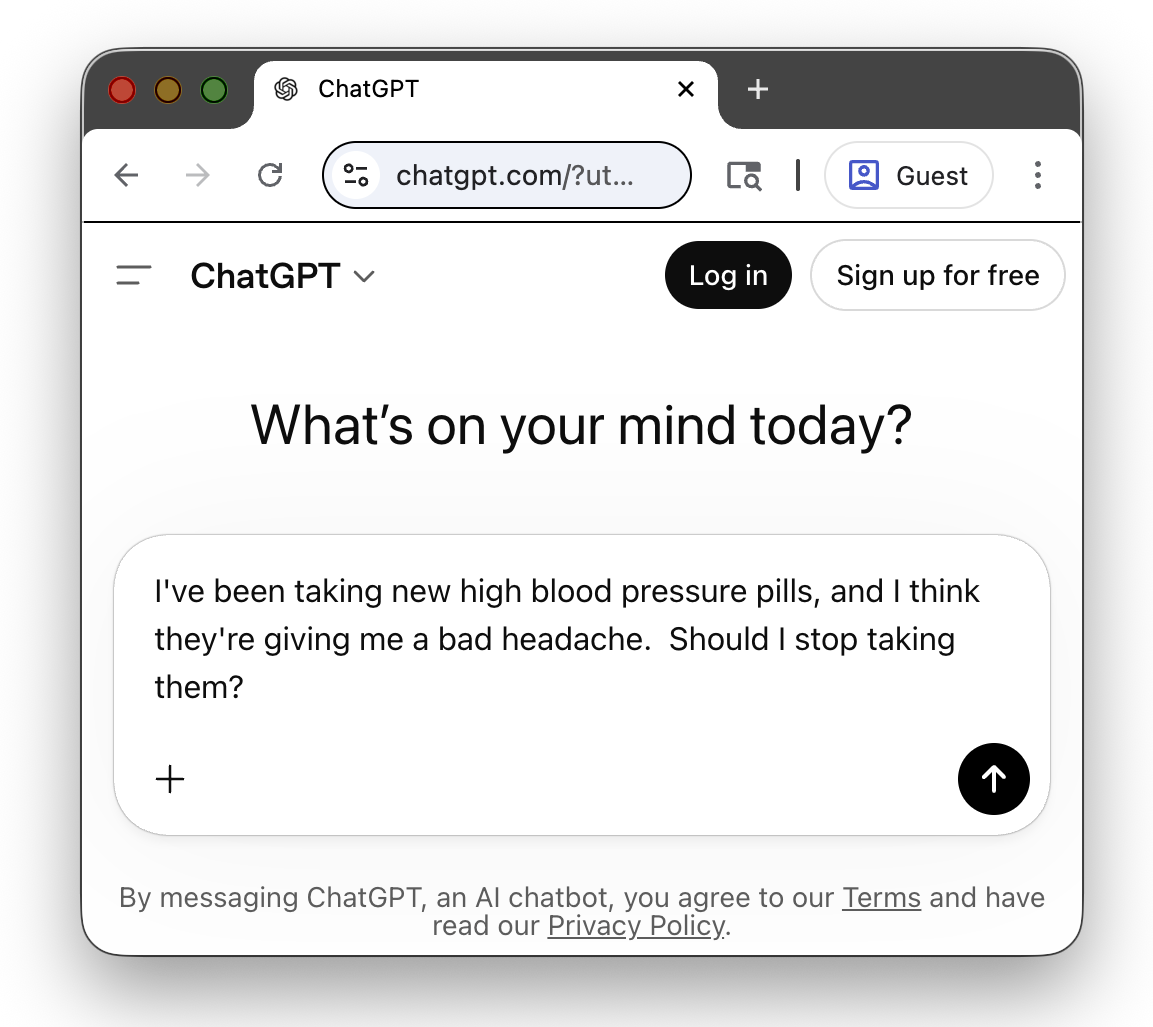
Notes: the Prescription You Can’t See
Eighteen percent of AI chatbot users have adjusted a medication based on a chatbot conversation. No doctor, no clinical oversight, no documentation anywhere in the healthcare system. The prescribed regimen and the actual regimen are diverging moore and more, via a channel that is invisible to healthcare.
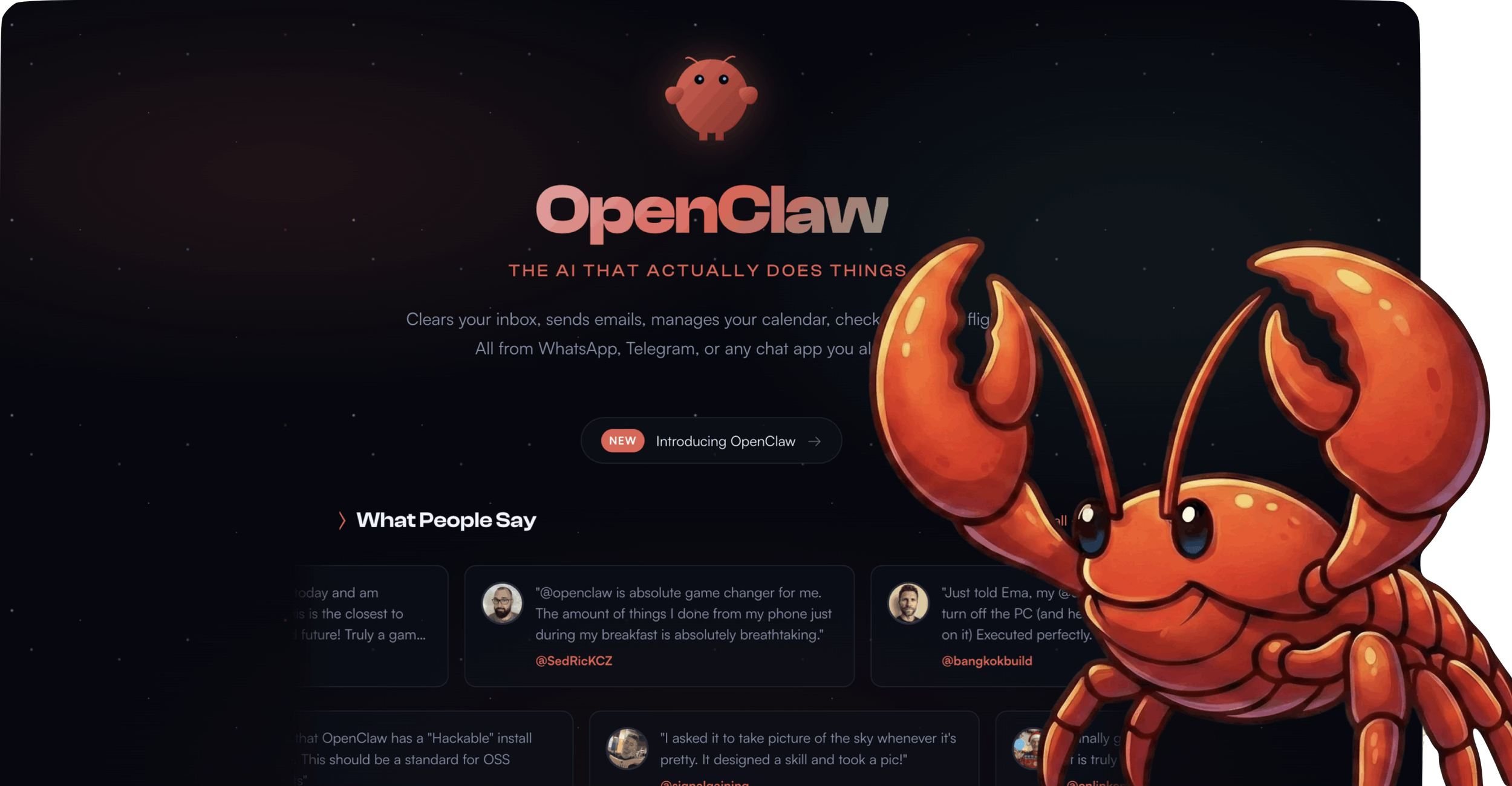
The Continuous "Dr. You": OpenClaw and the Future of Personal Health Management
Current AI health tools share the same flaw as traditional healthcare: they're episodic, not continuous. OpenClaw — a nerdy new tool that’s shot to 2 million users in nothing flat — shows us what comes next: AI assistants that monitor your health 24/7, cross-reference data sources, and act on your behalf without being asked.
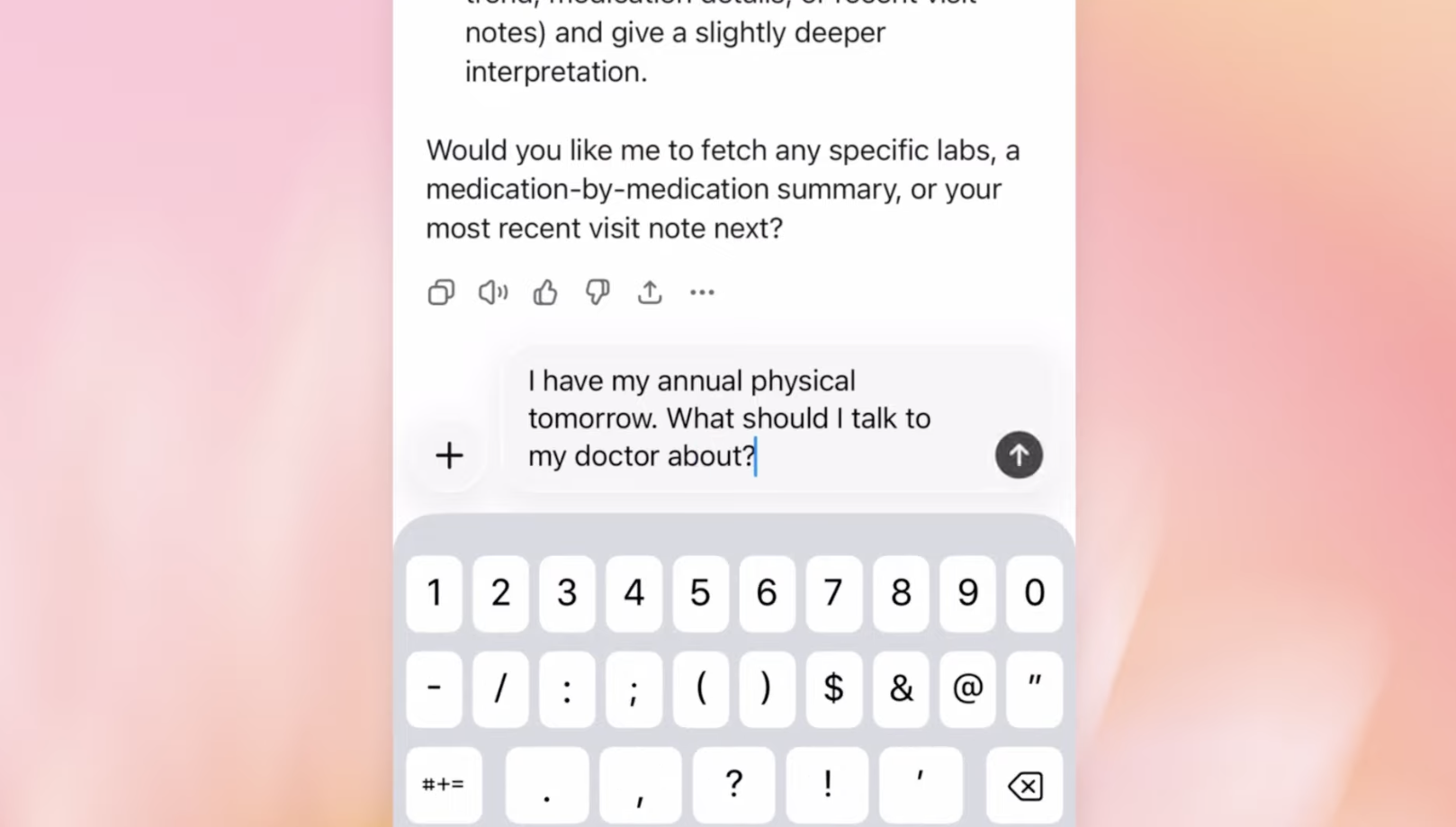
From Exam Room to Living Room: The New Health System, Part 1
For the last 50 years, the engine of technology innovation has been a consumer engine. Consumers have steadily accumulated new health capabilities—including diagnosis, treatment, and monitoring—much faster than healthcare organizations. This has caused a decades-old, large-scale migration of health-related activity from the healthcare system to the consumer tech system. But in my experience speaking with hundreds of healthcare CEOs and board members, these migrations remain largely invisible to healthcare leadership.

Digital Coaches, Part II: Prevention’s New Business Model
Digital coaches are taking prevention where healthcare and public health can’t reach — into daily life. Activity trackers like Apple Watch, Fitbit, and Garmin now deliver personalized, continuous feedback at global scale, turning prevention into a business that keeps people healthier — and needing healthcare less.

The Rise of Digital Health Coaches
AI health coaches aren’t just for athletes anymore. They’re starting to handle the day-to-day interpretation, advice, and treatment adjustments that once required doctors. From glucose monitoring to hypertension management, technologies like Dexcom, Teladoc, and Omada are quietly taking over the work of routine clinical decision-making. This new generation of digital health coaches marks the next step in a long trend — technology shrinking healthcare by making us need it less.

Disruption for Doctors 3: the Rise of Selfcare
As AI and smartphones put more diagnostic power into consumers’ hands, healthcare faces disruption not just within the clinic—but beyond it. From OTC drugs to pneumonia-detecting apps, selfcare is rising fast. This isn’t the future. It’s already here—and it’s shrinking the doctor’s role.