Thoughts
Signals – quick single insights or data points
Notes – medium-length reflections
Longer in-depth essays
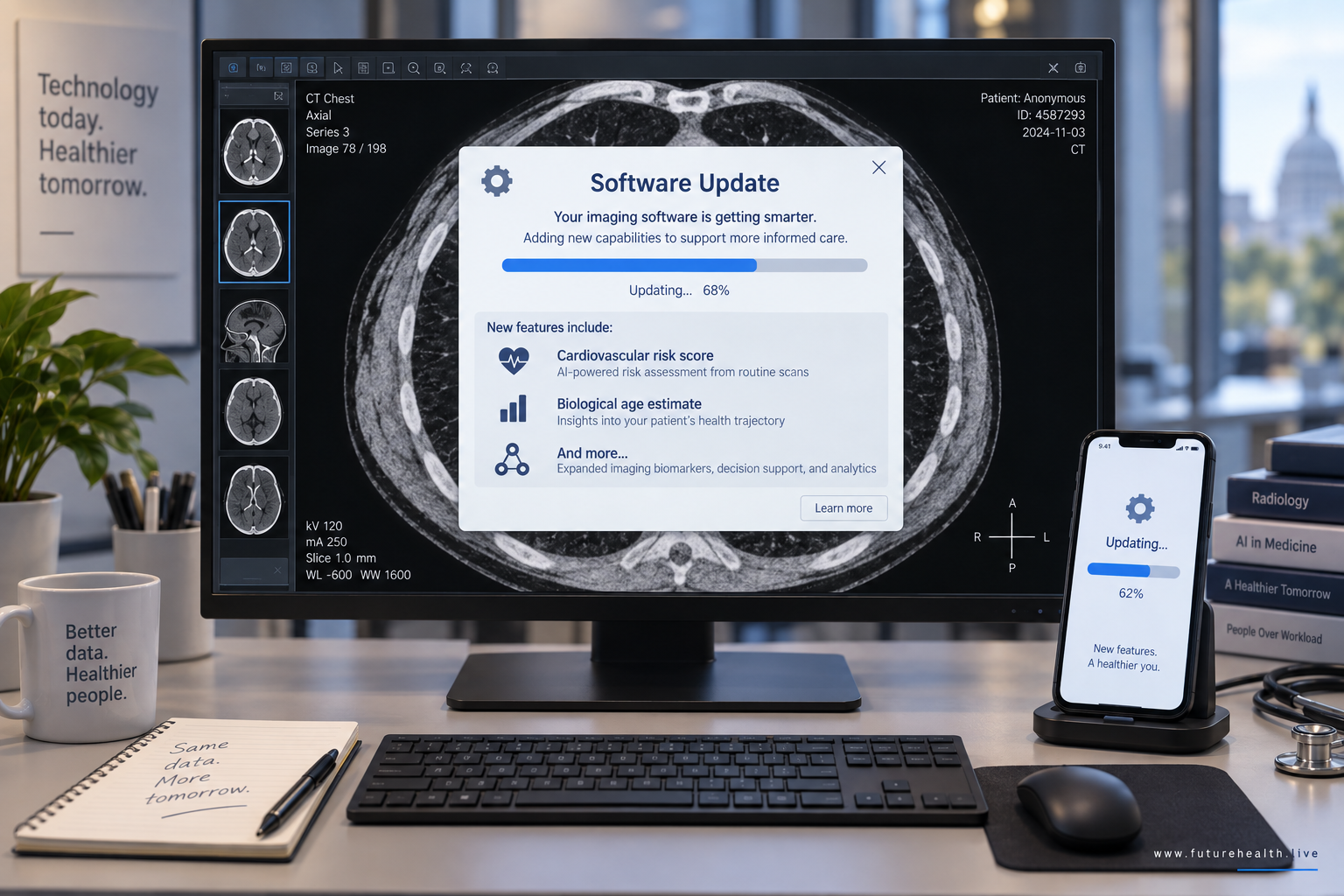
Your Next Medical Test Will Be a Software Update
We’re used to software updates giving our phones new capabilities. The same thing is happening to medical tests: an ECG can reveal clues about the liver, and a mammogram can help assess heart risk. Better software is expanding what these tests can tell us—whether we take them tomorrow or took them years ago.

Signals: Stop Saying Medical AI Can’t Be Held Accountable
STAT published my letter on Rao and Succi’s “shadow medical system” essay. They had closed with IBM’s 1979 line that a computer can never be held accountable, so it must never make a management decision — but that rule ended in 2018 when AI took out its first malpractice policy.
Which AI is Best for Doctors? We Still Don't Know
Two head-to-head studies of medical AI came out weeks apart and reached opposite conclusions — one says general-purpose AI wins, the other says OpenEvidence does. Neither answers the question every doctor is actually asking: which one should I use in my practice?
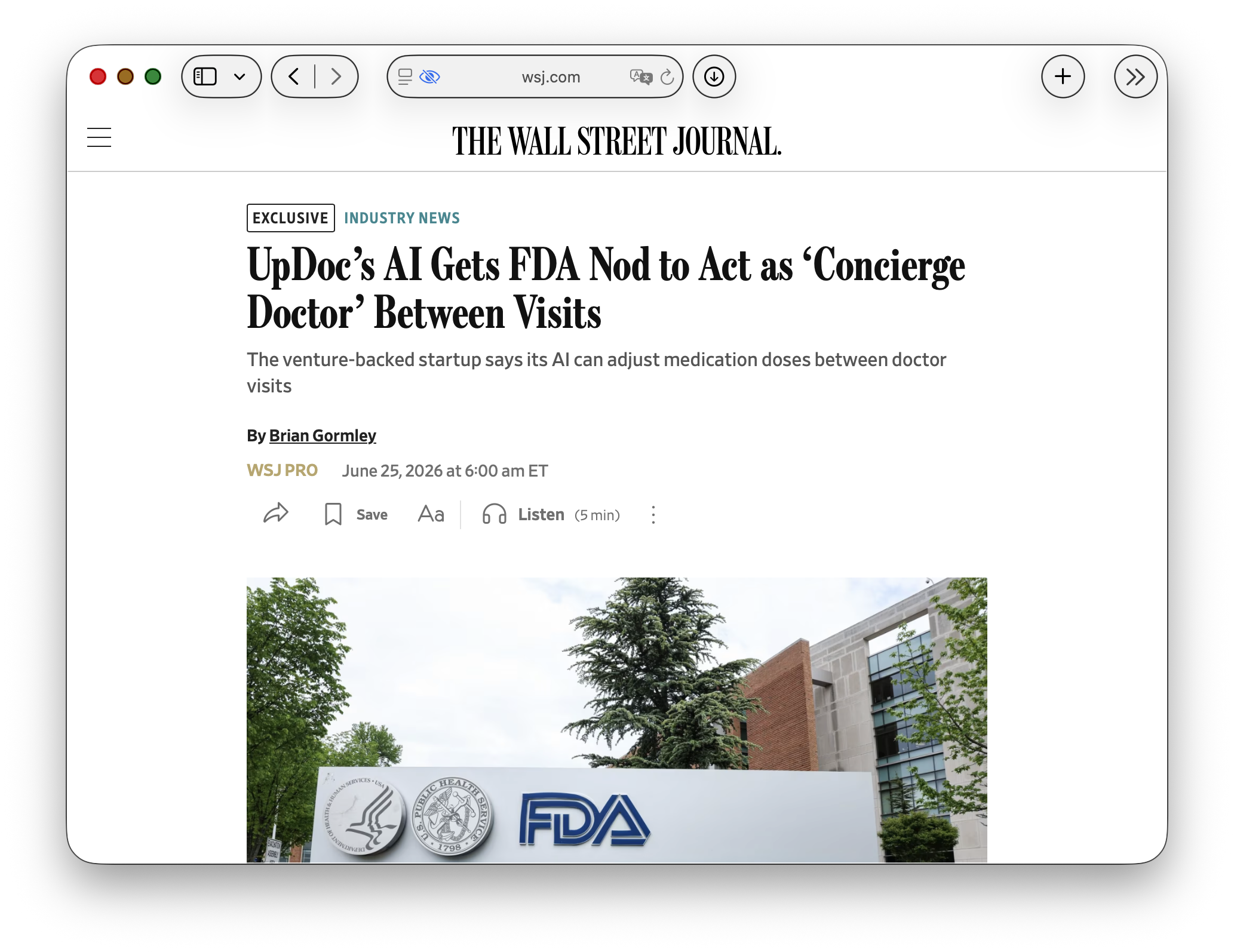
One Step Closer: AI Prescribing Drugs
The FDA just cleared UpDoc, software that adjusts medication doses between doctor visits — close to what Doctronic has been running in Utah. In both, AI does what only a licensed prescriber used to, and both stay inside the system for now. Sustaining innovation for the system, potentially disruptive for the doctor.
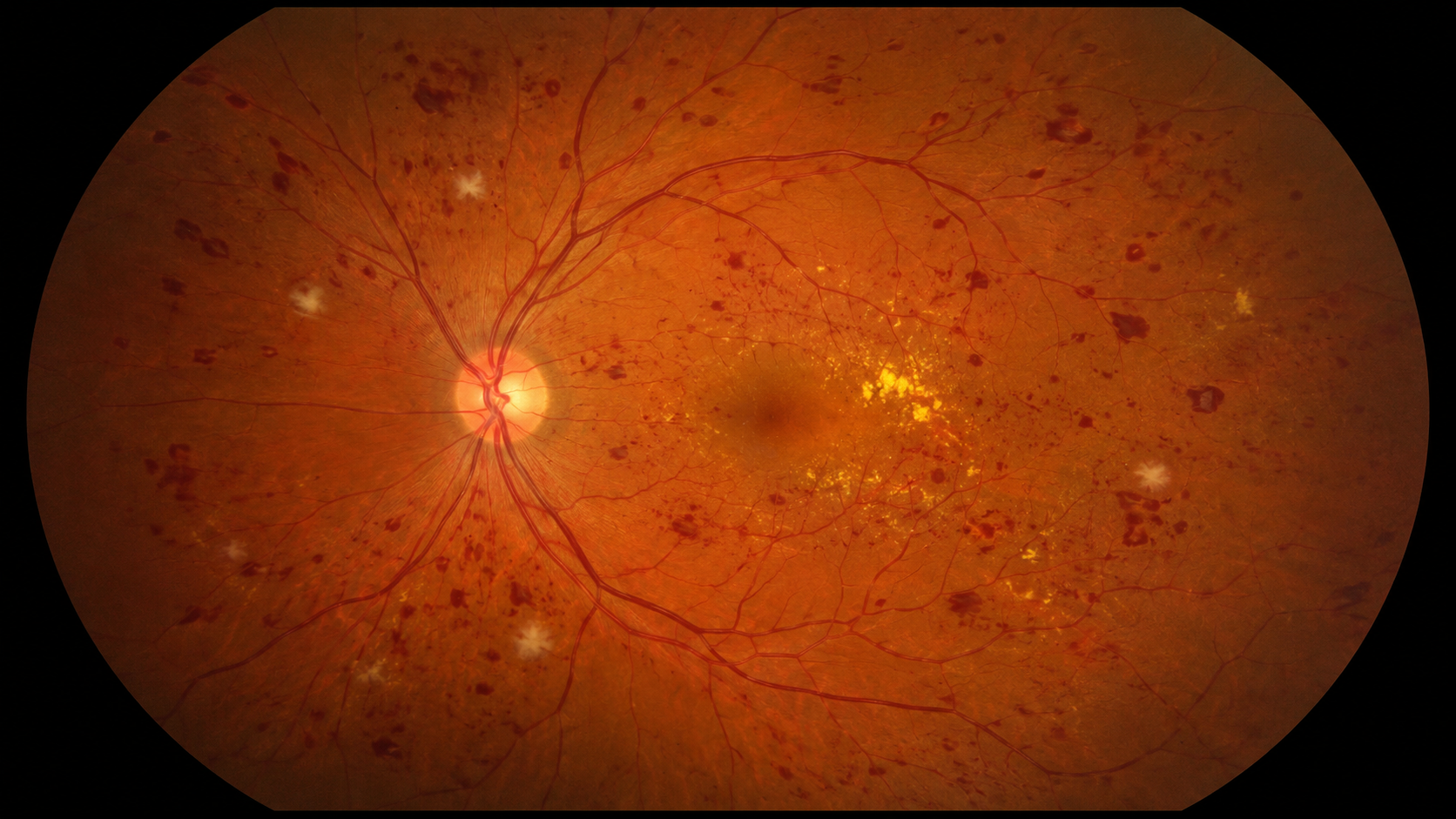
AI Is Already Practicing Medicine
A surgeon posted on on LinkedIn that Silicon Valley, incorrectly, believes AI will be practicing medicine "momentarily." But AI has been diagnosing diabetic retinopathy with no physician since 2018, and this year another began renewing prescriptions in Utah. Both AI vendors carry malpractice insurance — because both AI systems are practicing medicine.
Your Doctor’s Favorite AI Has Never Been Tested
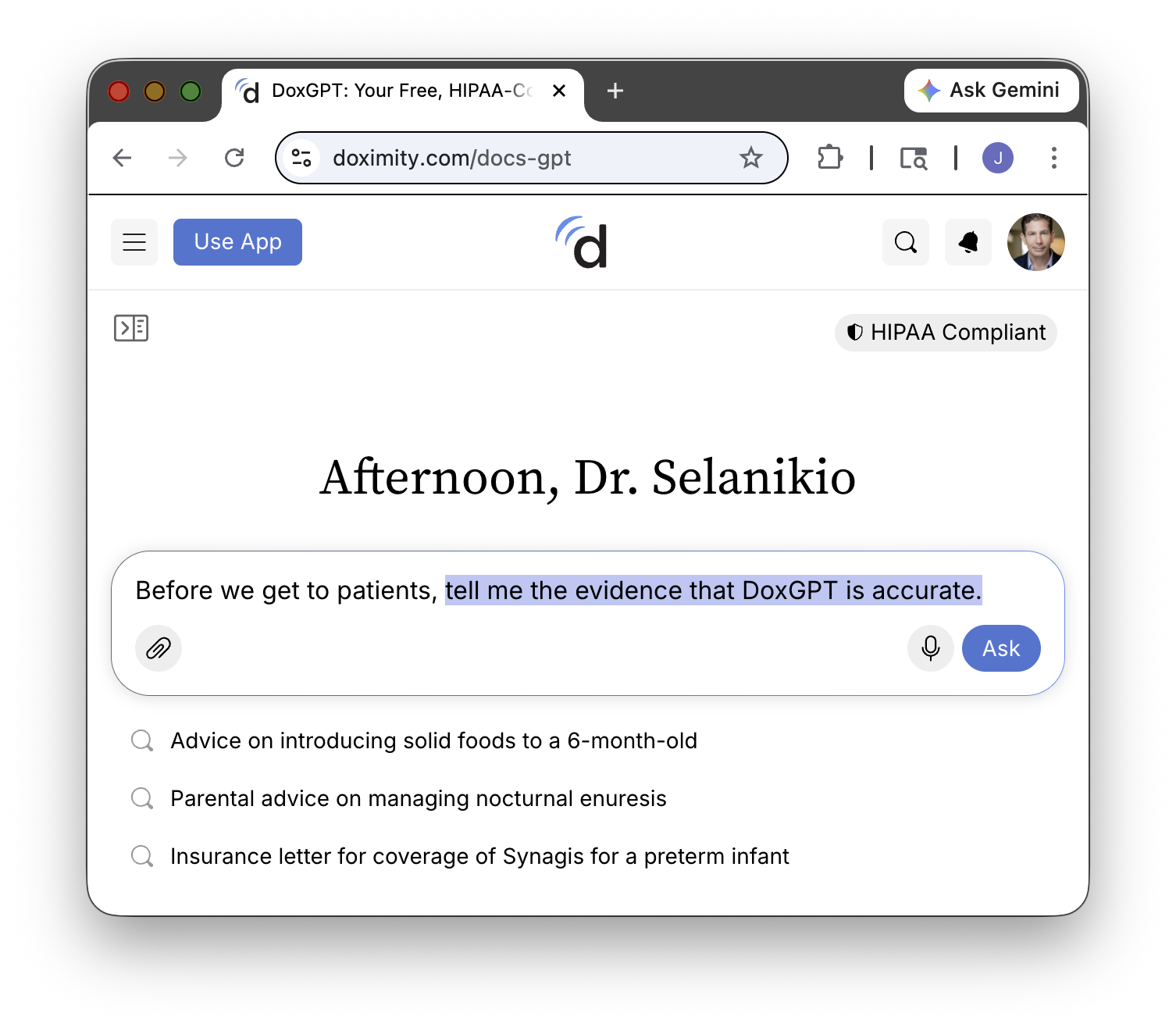
40% of U.S. physicians use OpenEvidence. DoxGPT had 300,000 clinician users last quarter. UpToDate just launched Expert AI. Not one of these tools appears to have been independently tested for accuracy or safety. A profession built on evidence-based medicine is adopting AI with no evidence.