
ChatGPT's Health Advice Ignored What Patients Told It
A new study of real ChatGPT conversations finds that the AI often gives health advice that doesn’t take account of what the user has already told it about their health history.
Posts on AI in healthcare, from clinical tools and accountability to the ways AI is changing how people get care.
Every published post with this tag.
A new study of real ChatGPT conversations finds that the AI often gives health advice that doesn’t take account of what the user has already told it about their health history.

Utah’s Doctronic AI prescription renewal pilot reports no adverse events, but lacks an official independent audit, active patient follow-up, and a comparison with usual care.
Advocate Health saw patient connections between MyChart and ChatGPT rise more than 7,000% in one month. Hospitals must pay to deliver the records while ChatGPT increasingly competes with them to interpret those records for patients.
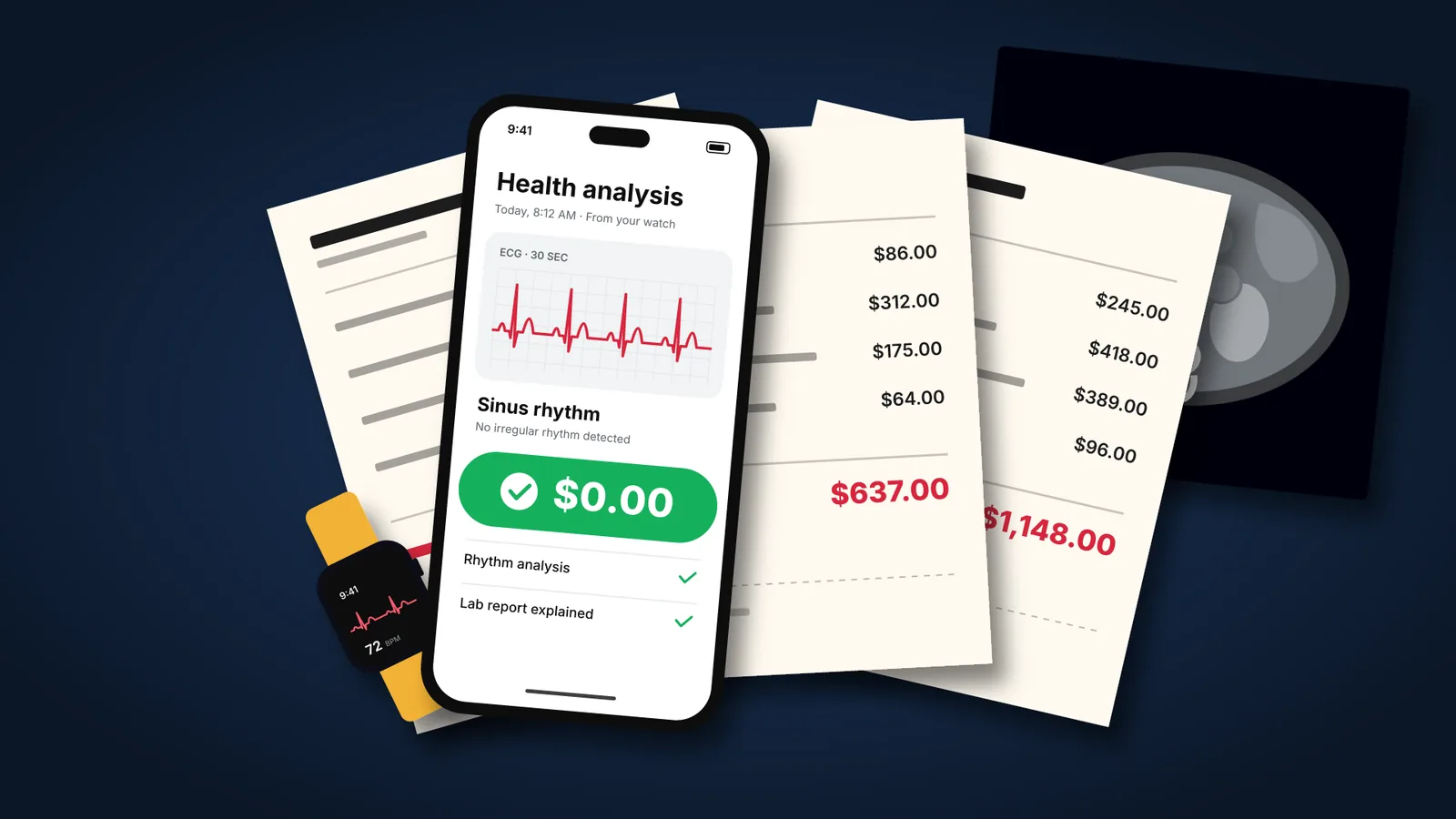
As medical testing becomes software, new tests and interpretations can be bundled into phones, watches, and subscriptions. Big Tech can earn money by giving them away, putting pressure on healthcare companies that sell them. What will this mean for patients, labs, and healthcare orgs?
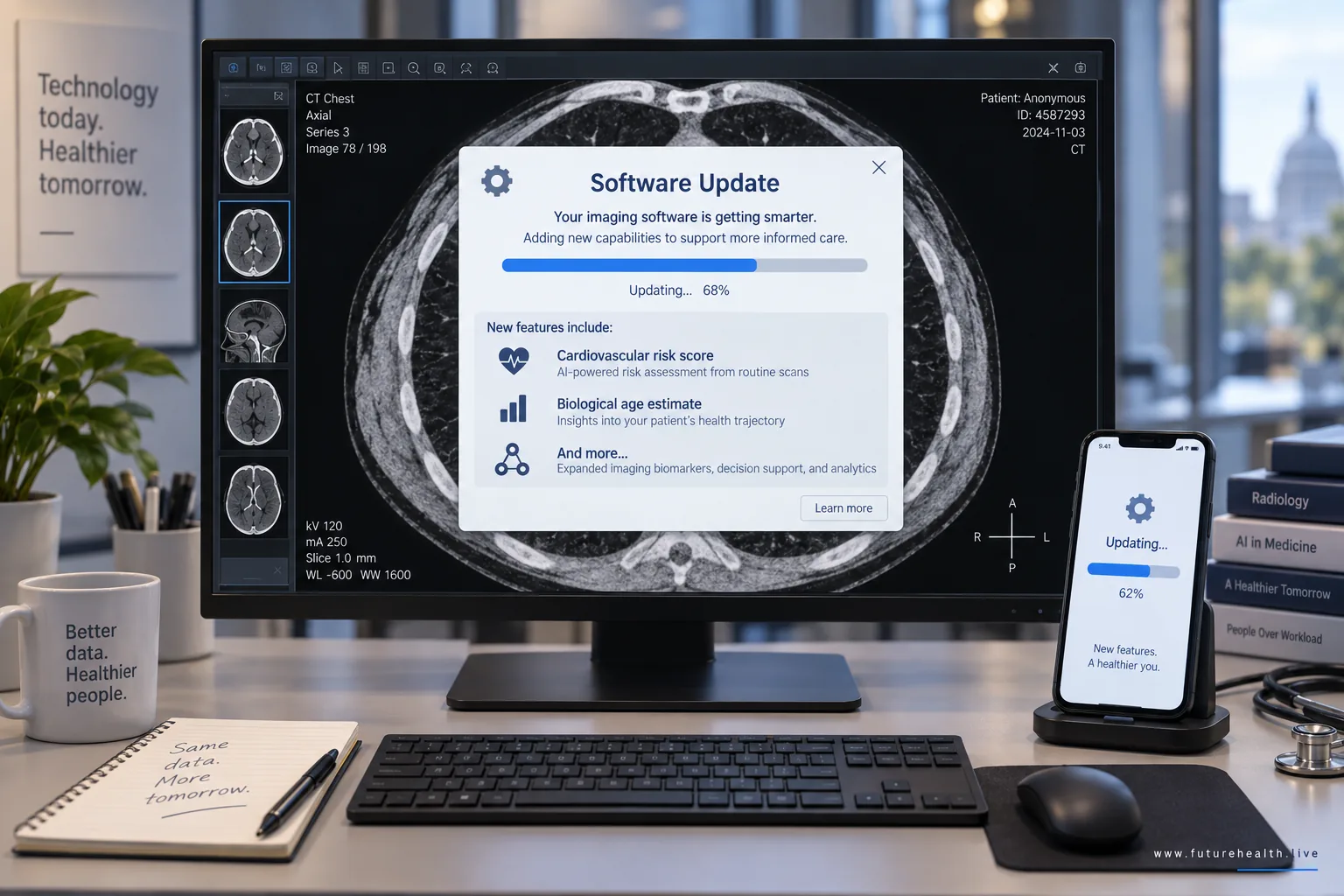
We’re used to software updates giving our phones new capabilities. The same thing is happening to medical tests: an ECG can reveal clues about the liver, and a mammogram can help assess heart risk. Better software is expanding what these tests can tell us — whether we take them tomorrow or took them years ago.
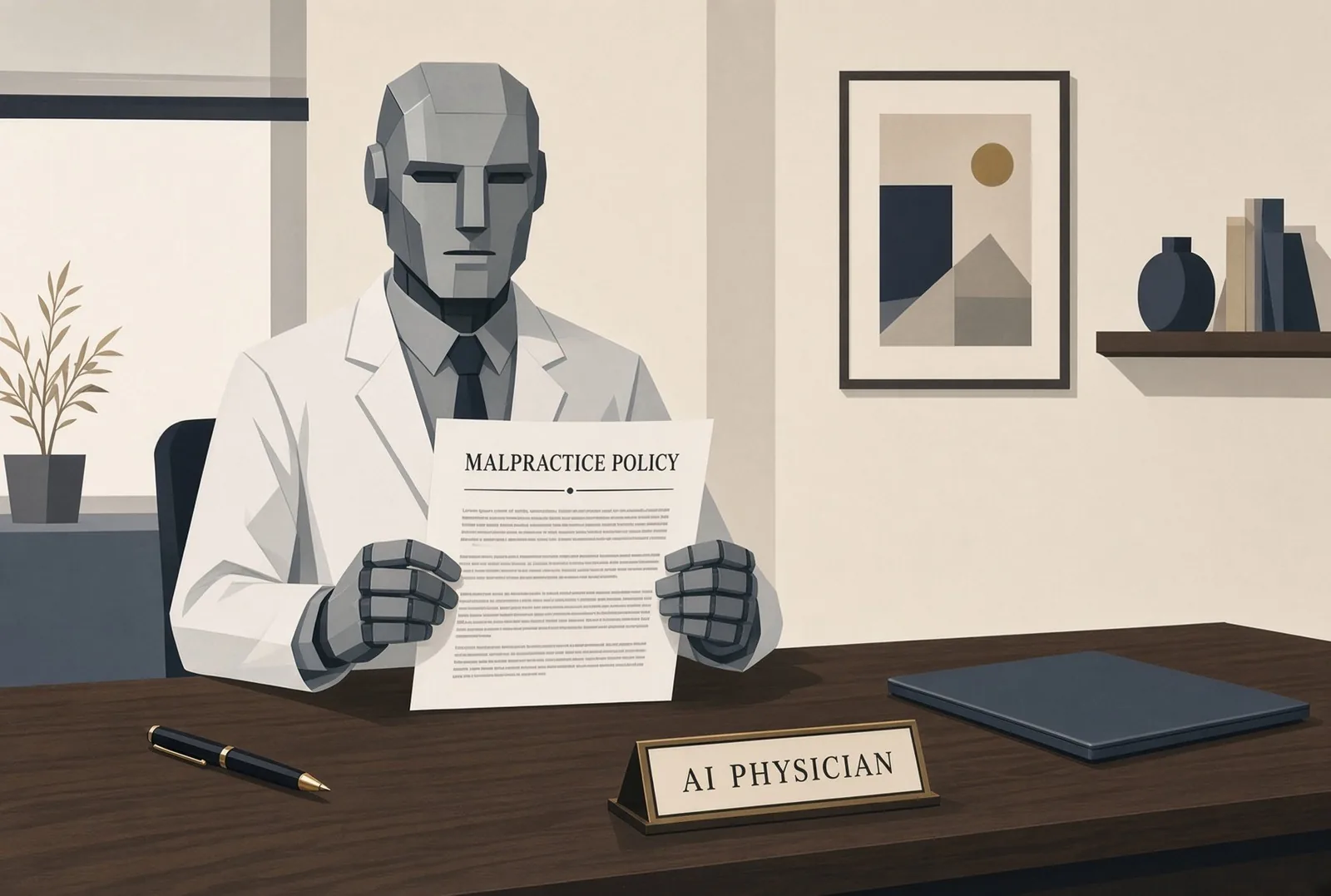
STAT published my letter on Rao and Succi’s “shadow medical system” essay. They had closed with IBM’s 1979 line that a computer can never be held accountable, so it must never make a management decision — but that rule ended in 2018 when AI took out its first malpractice policy.
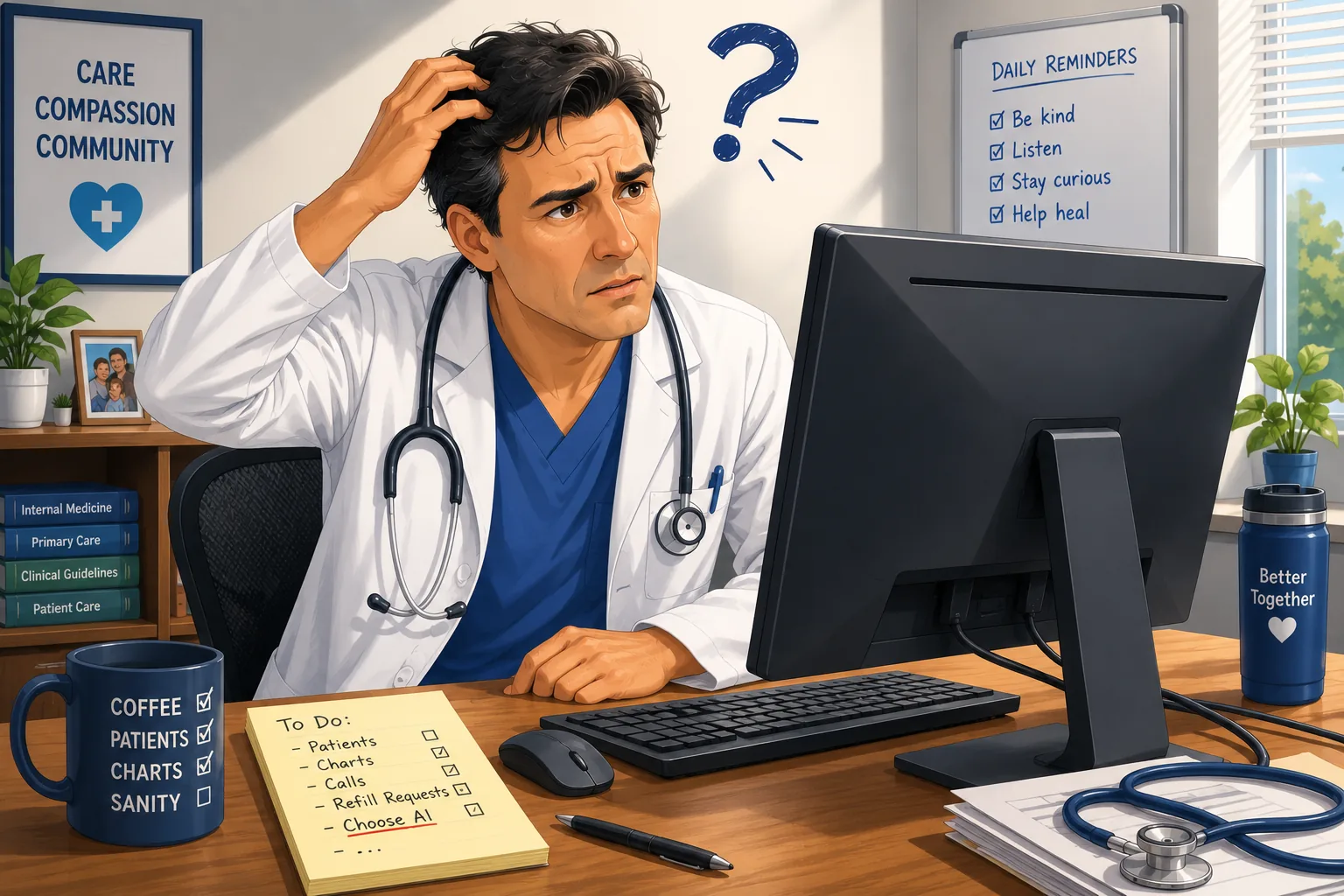
Two head-to-head studies of medical AI came out weeks apart and reached opposite conclusions — one says general-purpose AI wins, the other says OpenEvidence does. Neither answers the question every doctor is actually asking: which one should I use in my practice?
The FDA just cleared UpDoc, software that adjusts medication doses between doctor visits — close to what Doctronic has been running in Utah. In both, AI does what only a licensed prescriber used to, and both stay inside the system for now. Sustaining innovation for the system, potentially disruptive for the doctor.
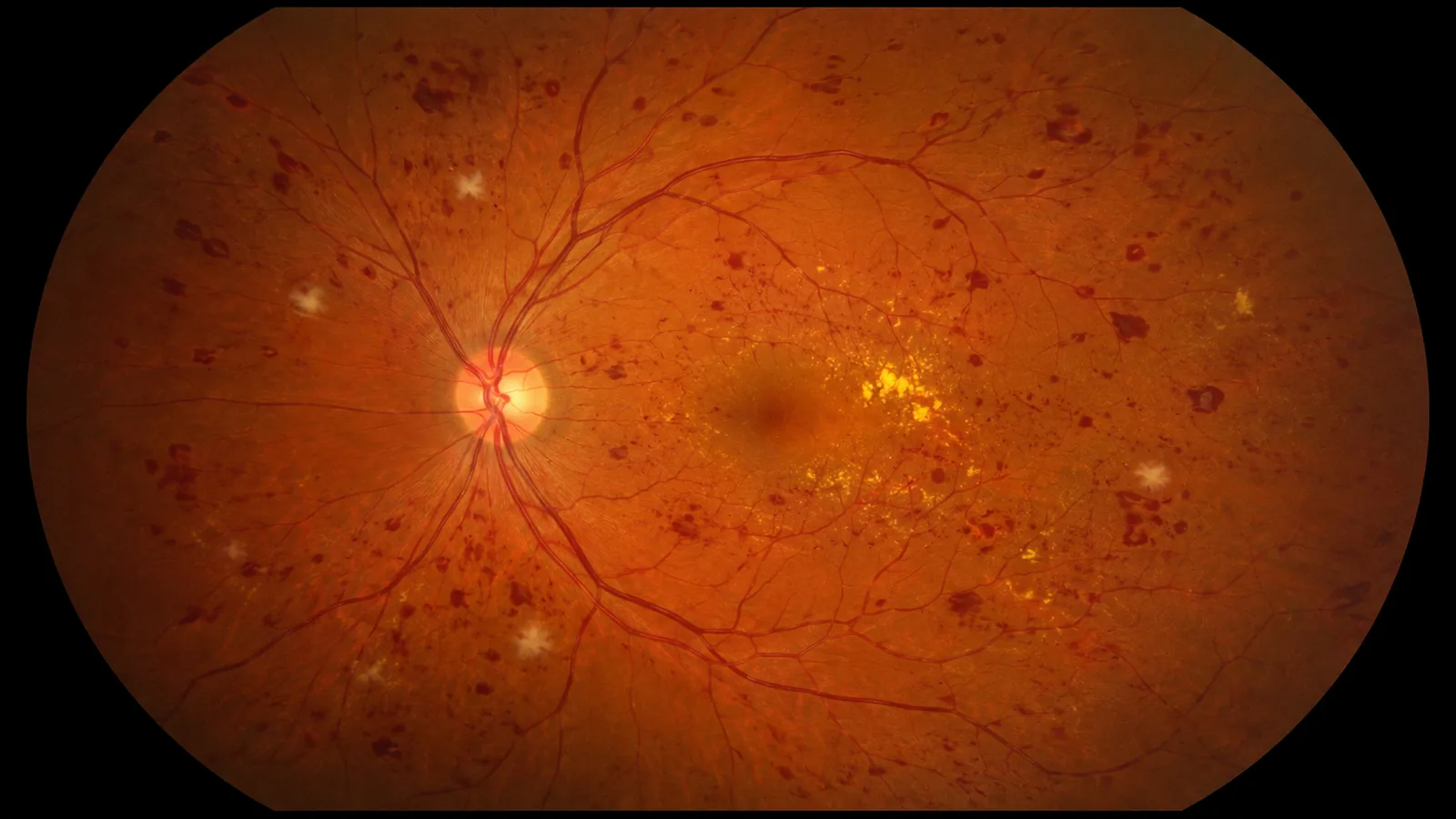
A surgeon posted on on LinkedIn that Silicon Valley, incorrectly, believes AI will be practicing medicine "momentarily." But AI has been diagnosing diabetic retinopathy with no physician since 2018, and this year another began renewing prescriptions in Utah. Both AI vendors carry malpractice insurance — because both AI systems are practicing medicine.
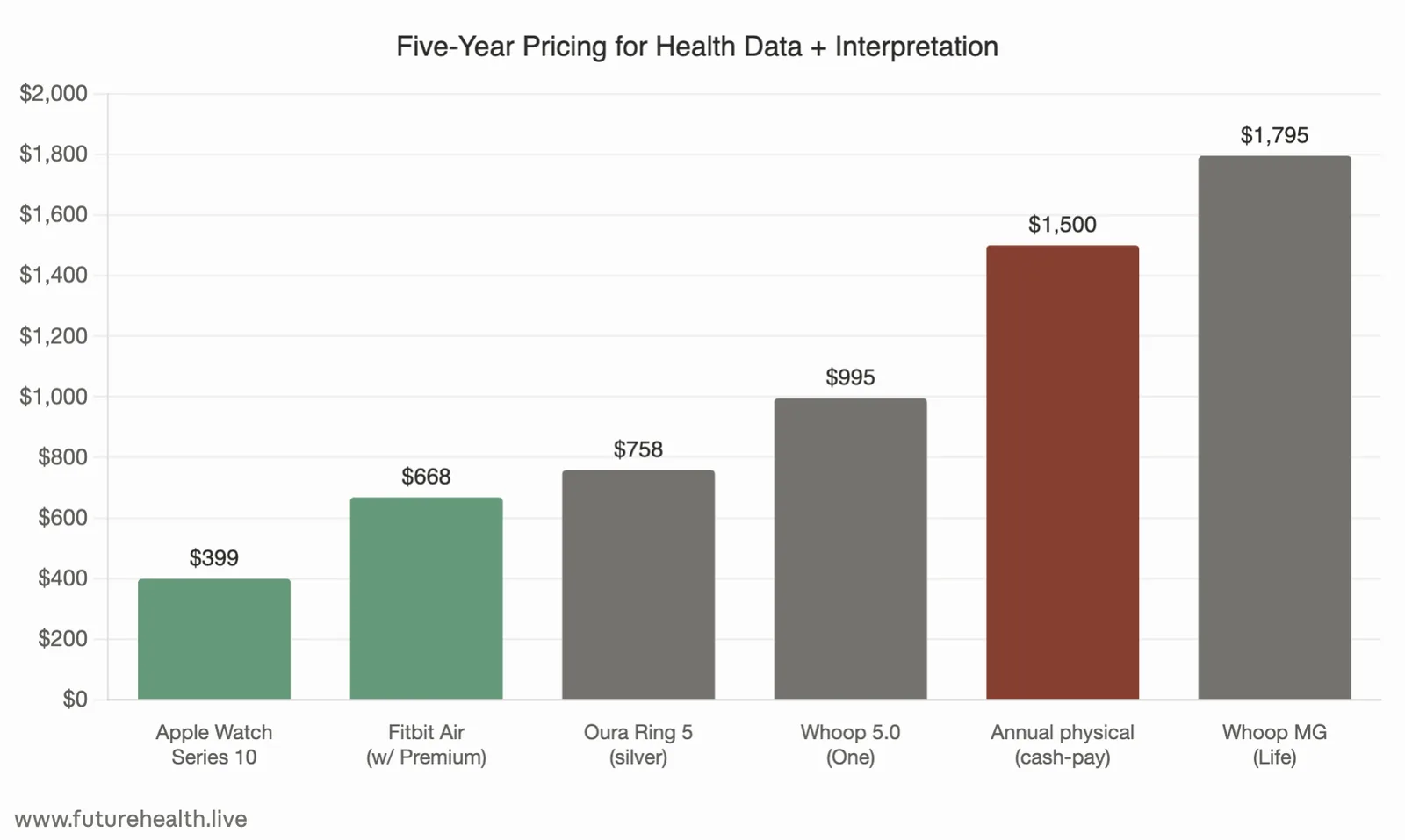
Correction to my previous post about the new Fitbit Air. Turns out Apple's Health app prices AI interpretation at zero — no subscription, ever. But the Fitbit Air doesn't. This leaves Apple in an unexpected position as the price leader for five years of hardware and AI interpretation — a full 40% less than Fitbit Air.
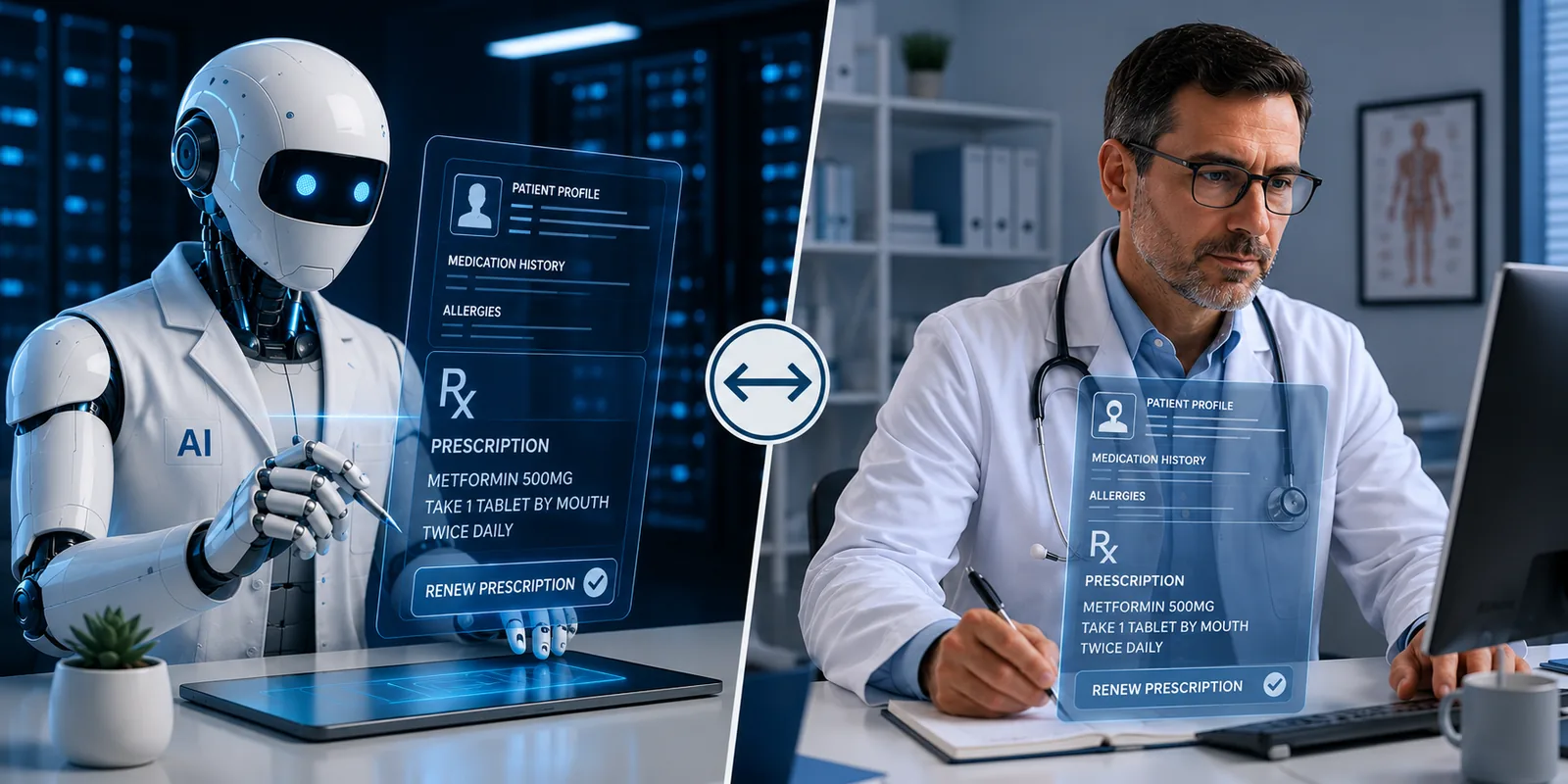
Five months into Utah's Doctronic pilot — the first US program authorizing AI to recommend prescription renewals — the state just released outcome data. The AI's renewal recommendations are statistically indistinguishable from a second physician's. And when the AI defers to a human, it defers more often than a human would.
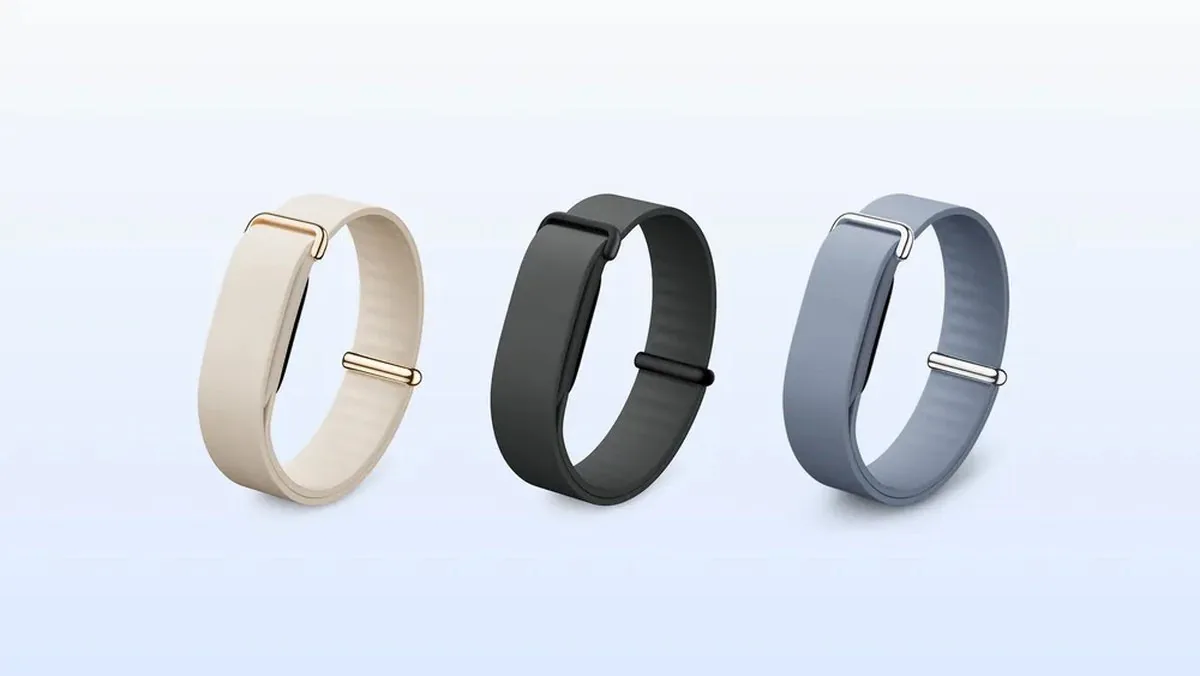
Apple has priced biometric interpretation at zero since 2015. Google joined them this week with the $99 Fitbit Air. Whoop and Oura now have to explain a five-year cost of ownership that runs seven to eighteen times higher — and the annual checkup has to explain why it still exists.
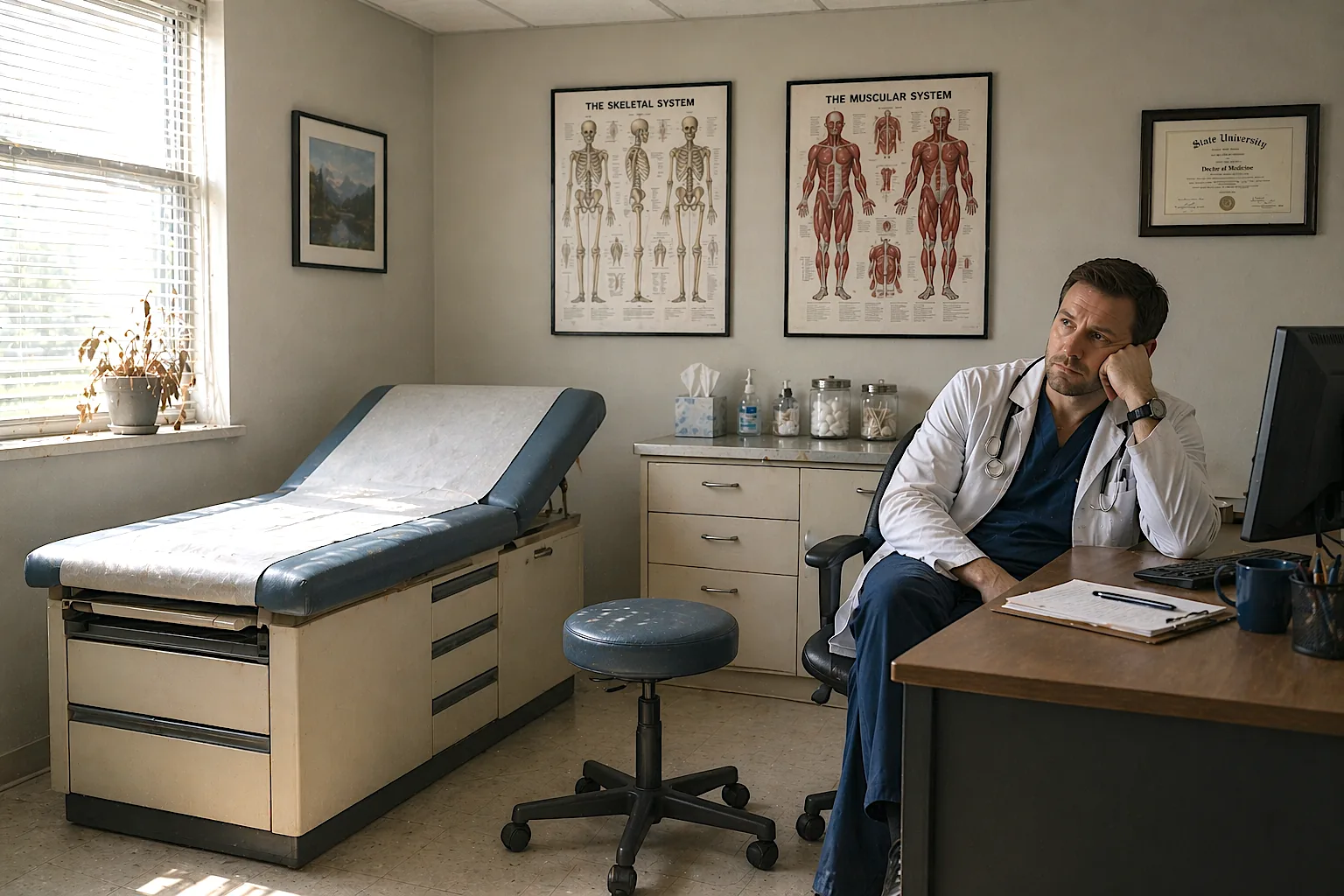
Gallup says 14 million U.S. adults skipped a provider visit last month after using AI, which adds up to 168 million skipped visits per year. That's 16% of monthly physician visits — and it’s completely invisible in claims data, and ignored in healthcare planning.
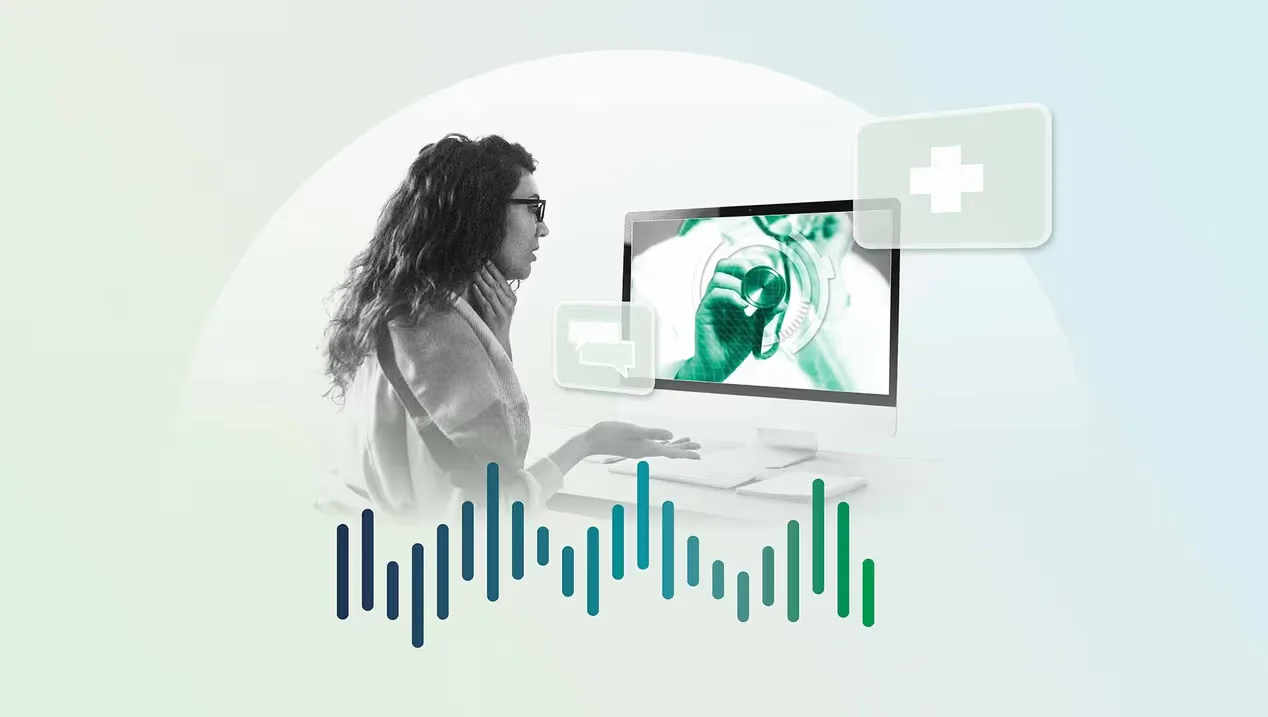
Gallup and West Health just gave us some solid data on the Five Migrations.In a nationally representative survey of 5,500 U.S. adults released April 15, 14% said the AI-generated advice led them to skip a provider visit in the past 30 days. Projected to the adult population, that's roughly 14 million missed appointments in a single month.
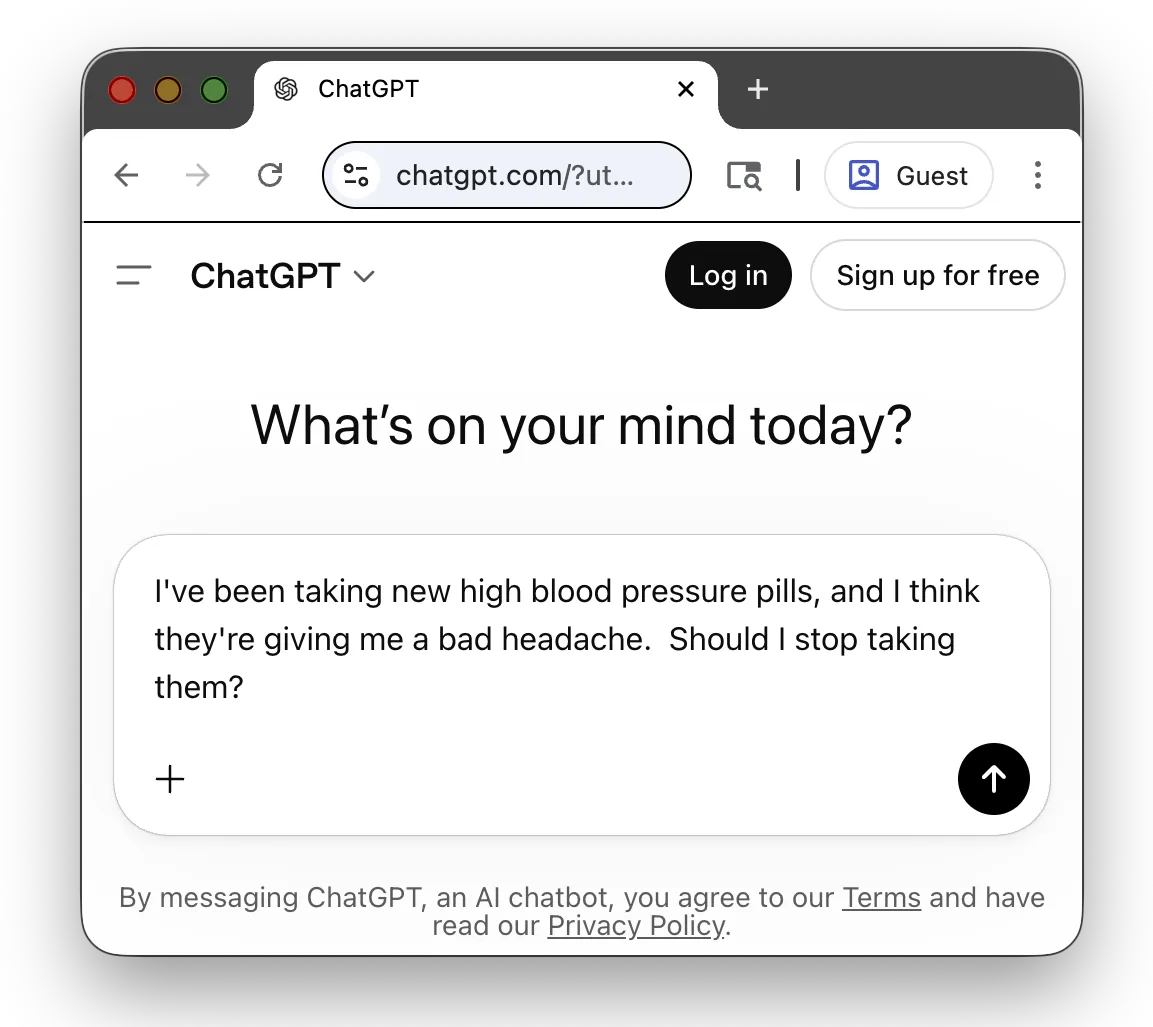
Eighteen percent of AI chatbot users have adjusted a medication based on a chatbot conversation. No doctor, no clinical oversight, no documentation anywhere in the healthcare system. The prescribed regimen and the actual regimen are diverging more and more, via a channel that is invisible to healthcare.
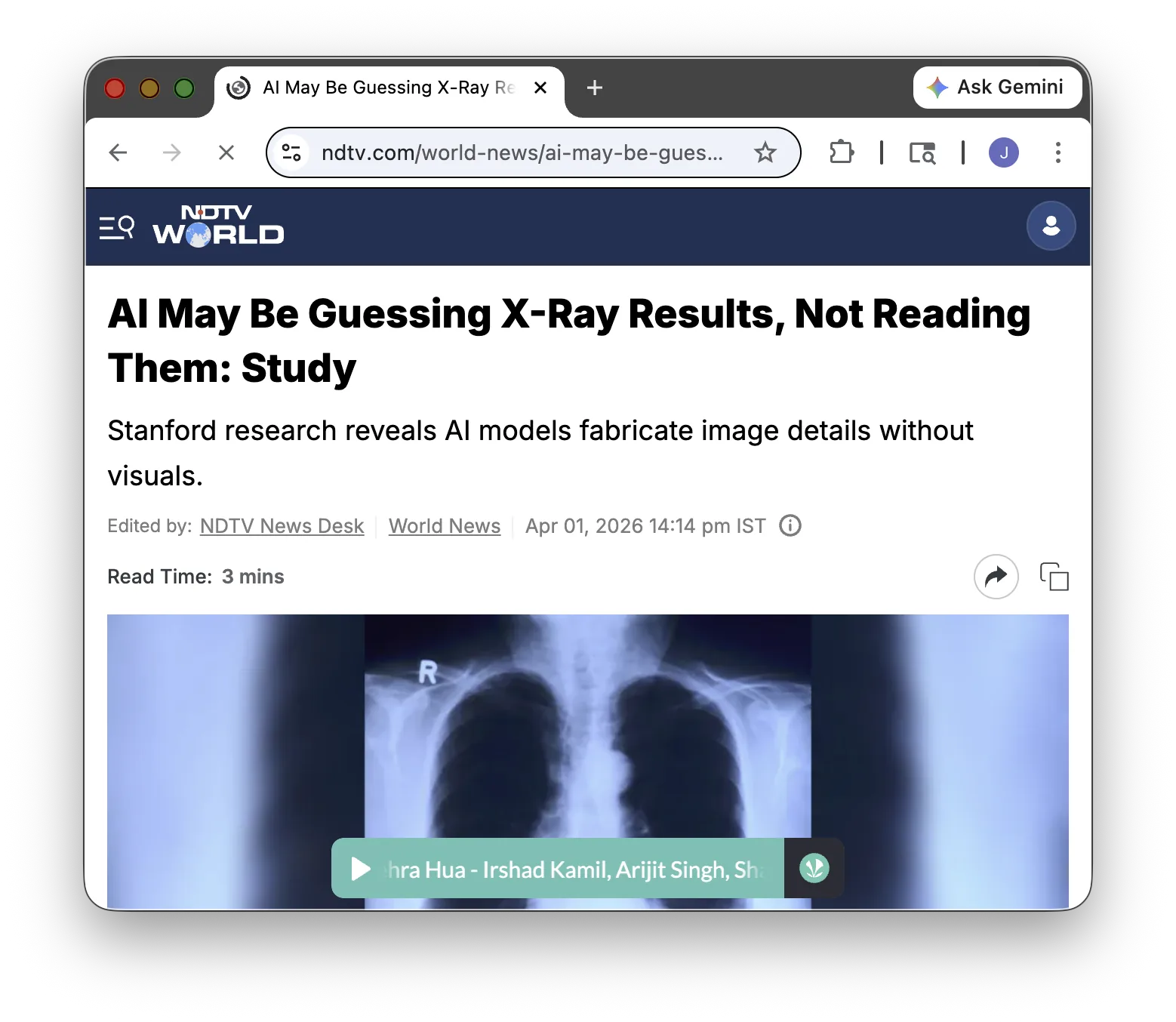
Stanford researchers gave AI radiology test questions without the images. The AI aced them anyway. Most people think that's a knock against AI. I think it's telling us something about the images.
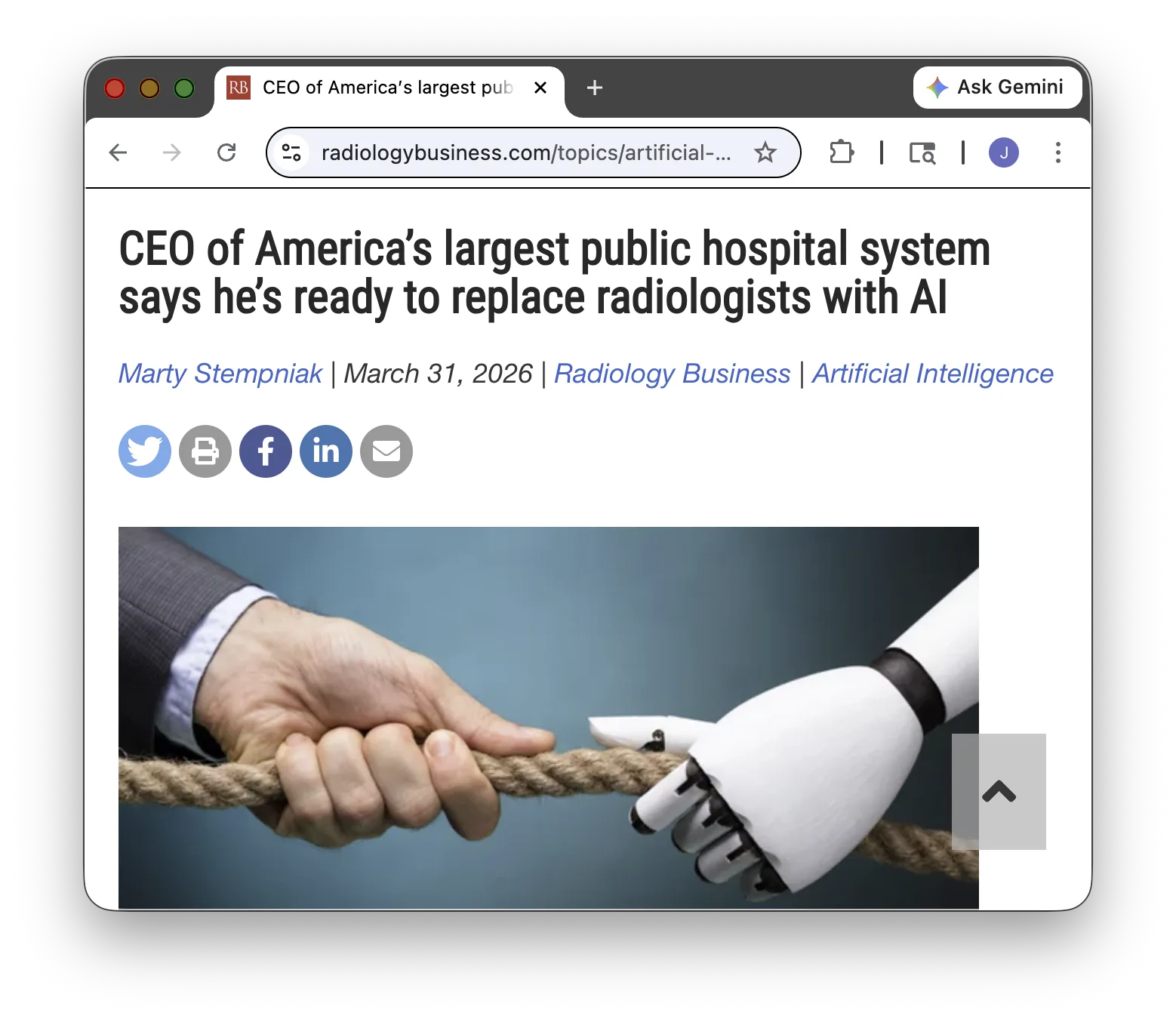
Hospital CEOs are saying they’re ready to replace radiologists with AI for first reads. The radiology community has spent nine years saying that would never happen. They can’t both be right.
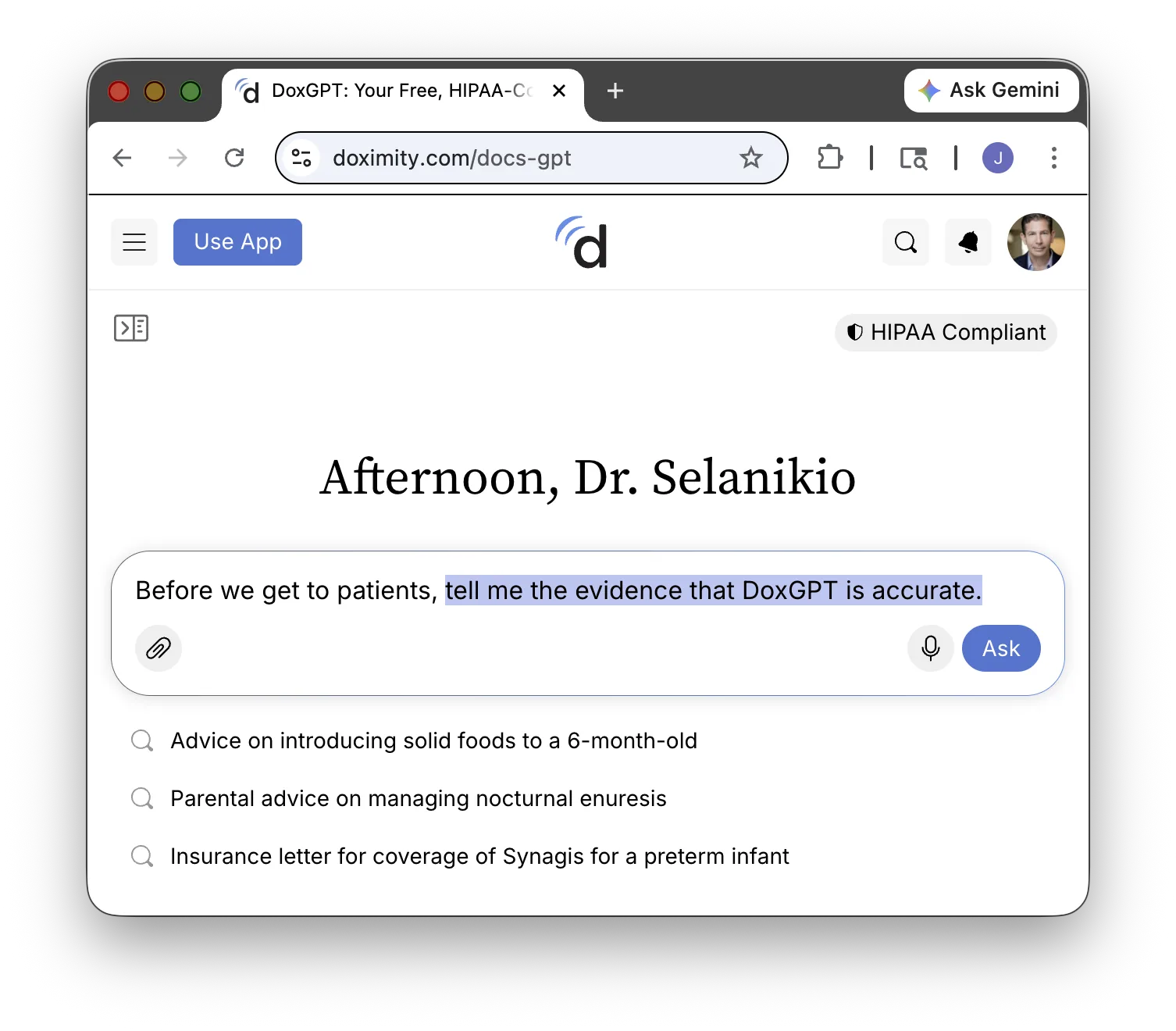
40% of U.S. physicians use OpenEvidence. DoxGPT had 300,000 clinician users last quarter. UpToDate just launched Expert AI. Not one of these tools appears to have been independently tested for accuracy or safety. A profession built on evidence-based medicine is adopting AI with no evidence.
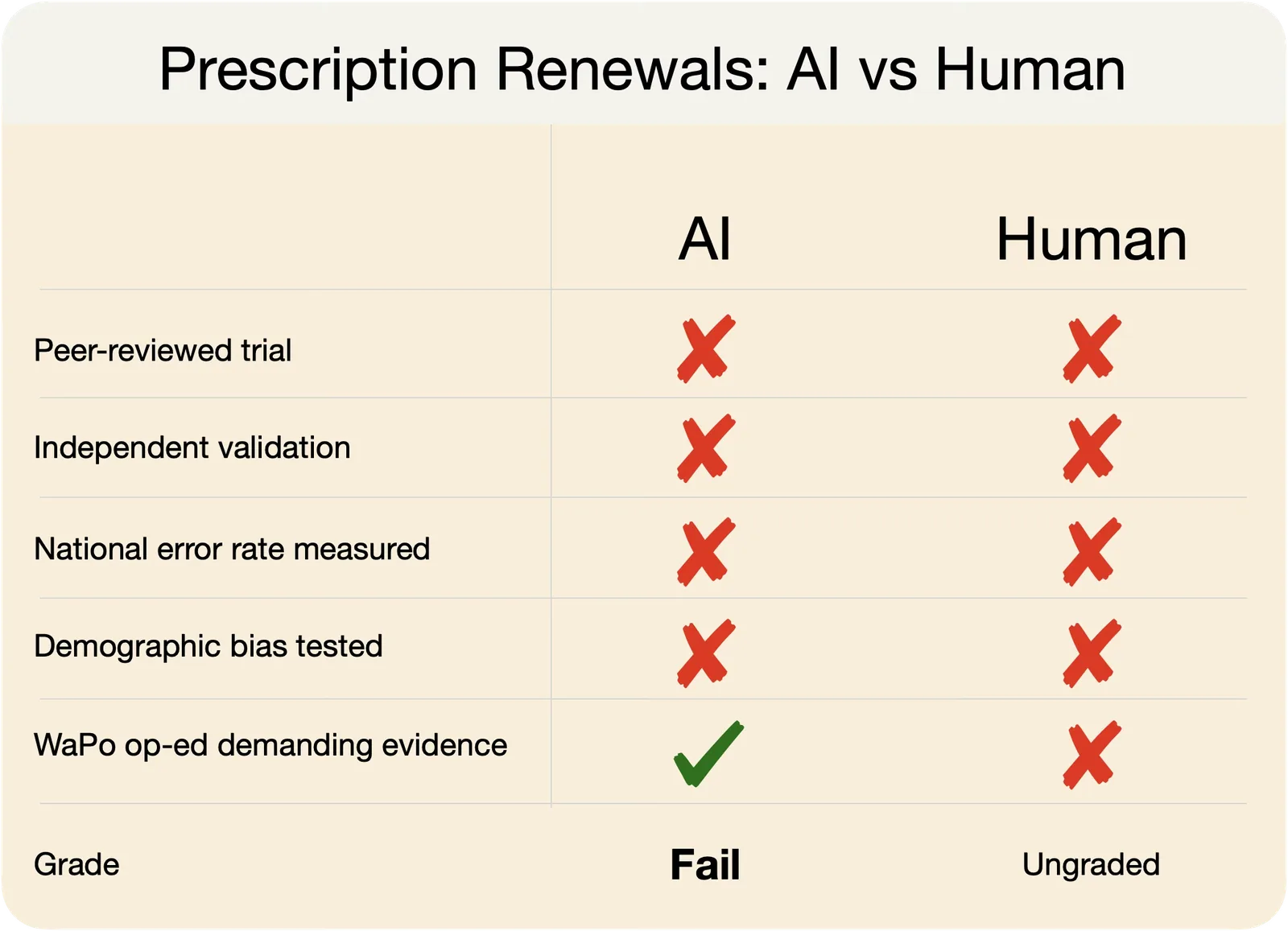
A Washington Post op-ed argues that Utah's AI prescription renewal pilot rests on thin evidence. Fair. But the human renewal process it's replacing has never been rigorously validated either. We're applying a standard to AI that we've never applied to the human baseline.
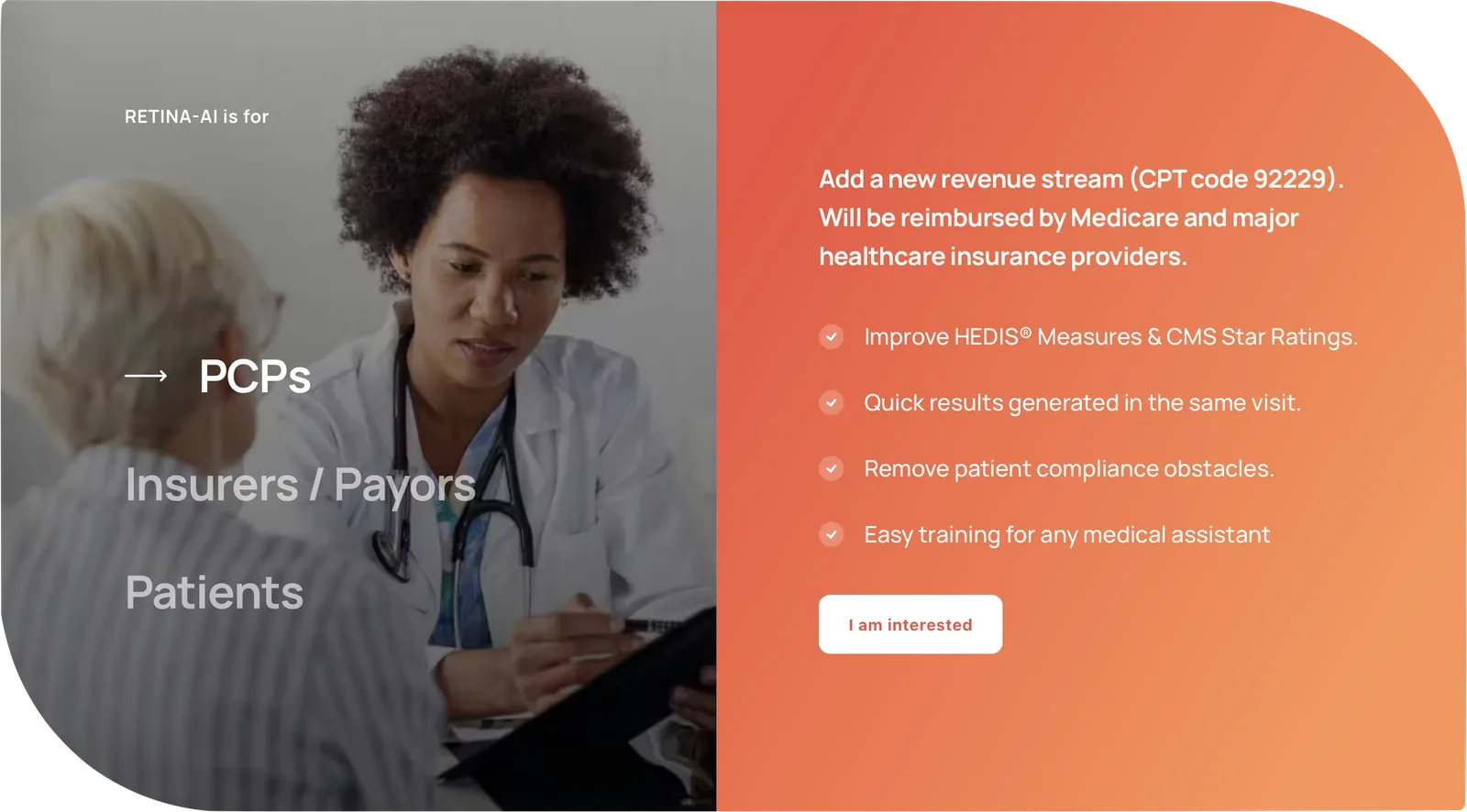
Medicine has a well-established model for distributing liability across physicians and tools: whoever caused the failure bears the liability. AI vendors have quietly opted out of it — and the contracts they're asking health systems to sign reflect that.
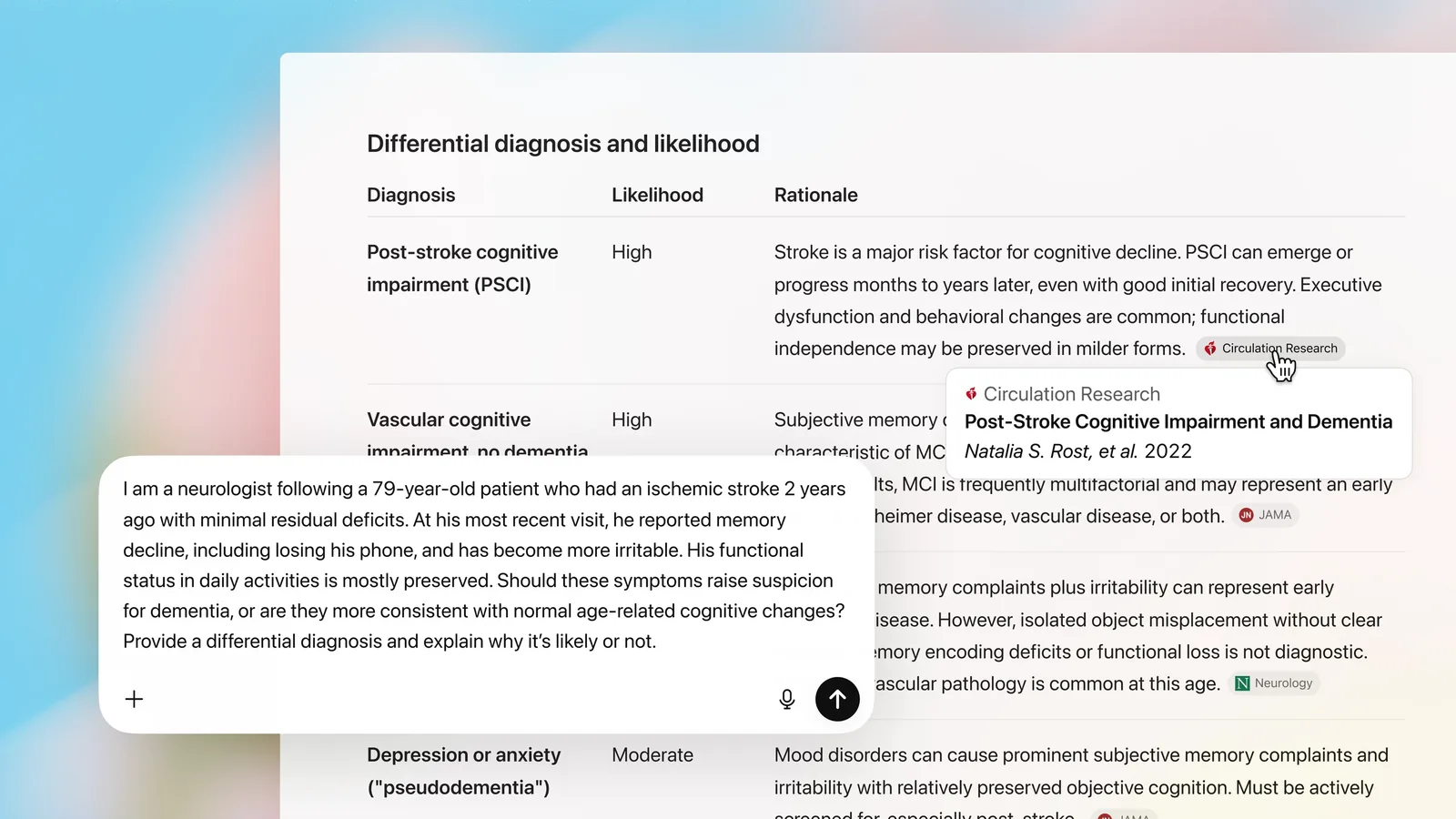
OpenAI and Anthropic both launched enterprise healthcare AI offerings last month. OpenAI's is more complete — a ready-to-use product for clinicians plus an API for developers. Anthropic's is developer-focused, with connectors to healthcare databases like CMS and ICD-10. Both will eventually offer the full stack. The question is what you need now.
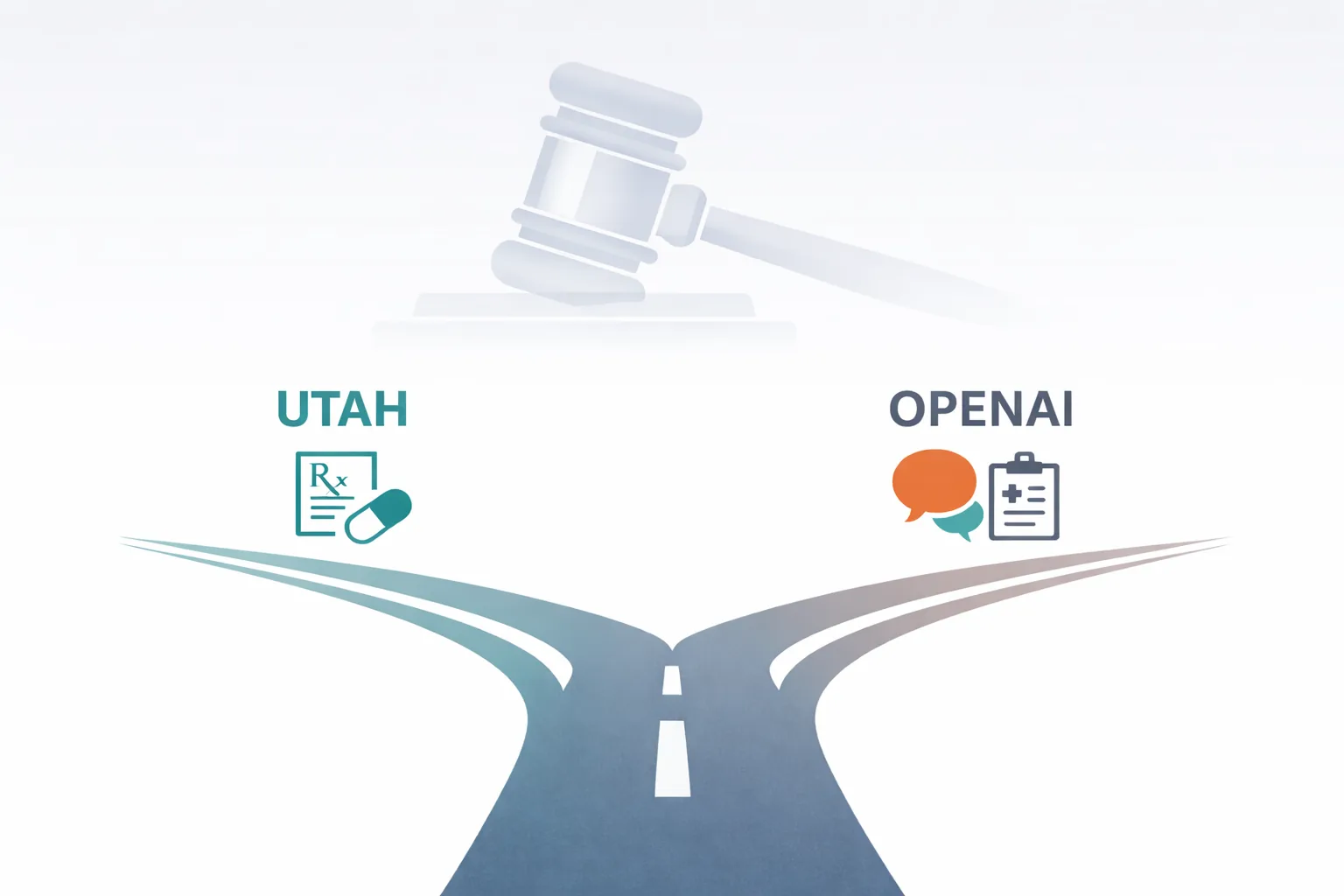
In the first week of January 2026, Utah, and OpenAI each drew a different line around health AI — and liability. Utah’s Doctronic pilot treats AI like a clinician, with malpractice coverage and preserved remedies. OpenAI adds medical-record syncing under unchanged disclaimers and a $100 cap.
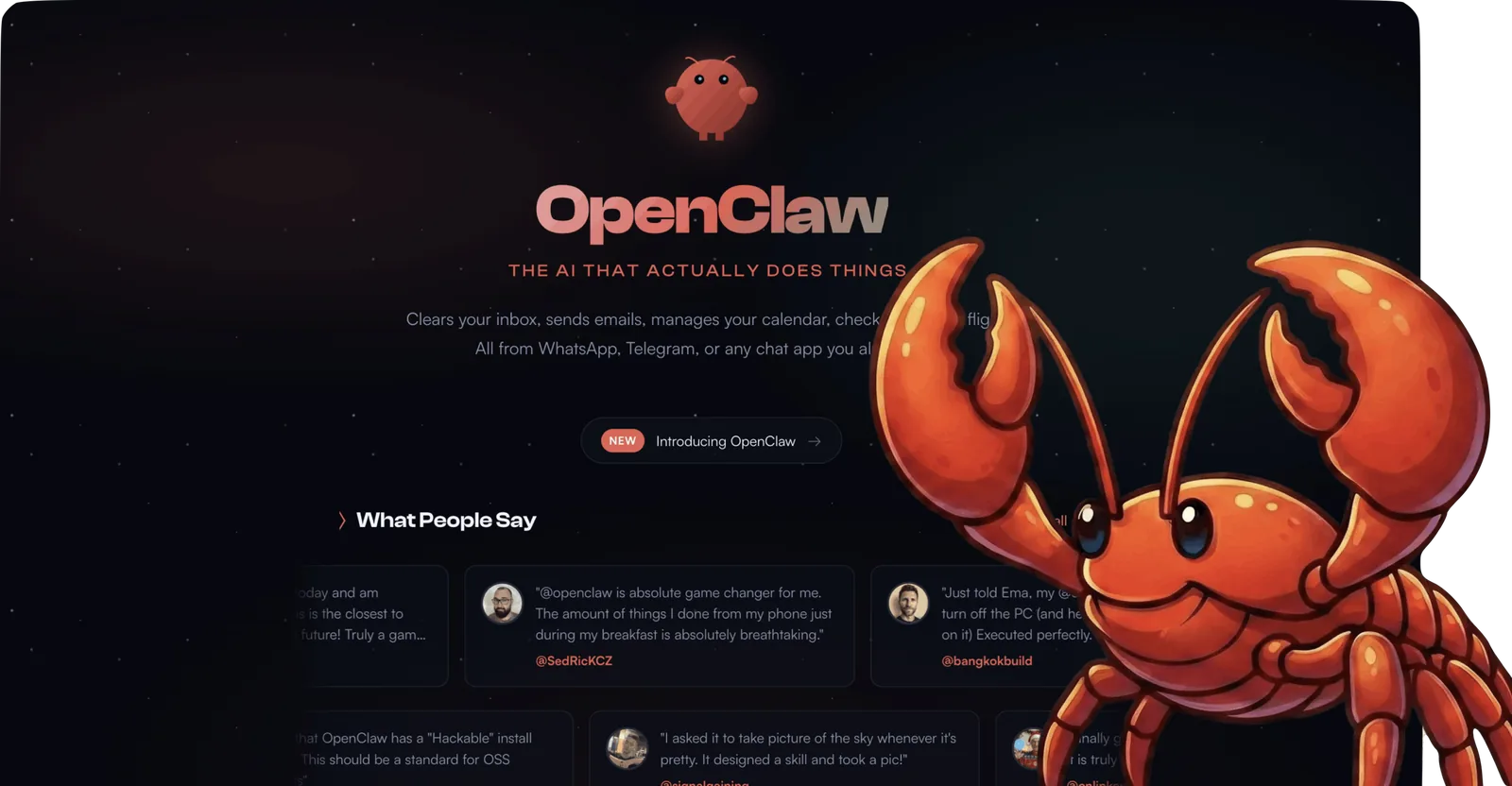
Current AI health tools share the same flaw as traditional healthcare: they're episodic, not continuous. OpenClaw — a nerdy new tool that’s shot to 2 million users in nothing flat — shows us what comes next: AI assistants that monitor your health 24/7, cross-reference data sources, and act on your behalf without being asked.
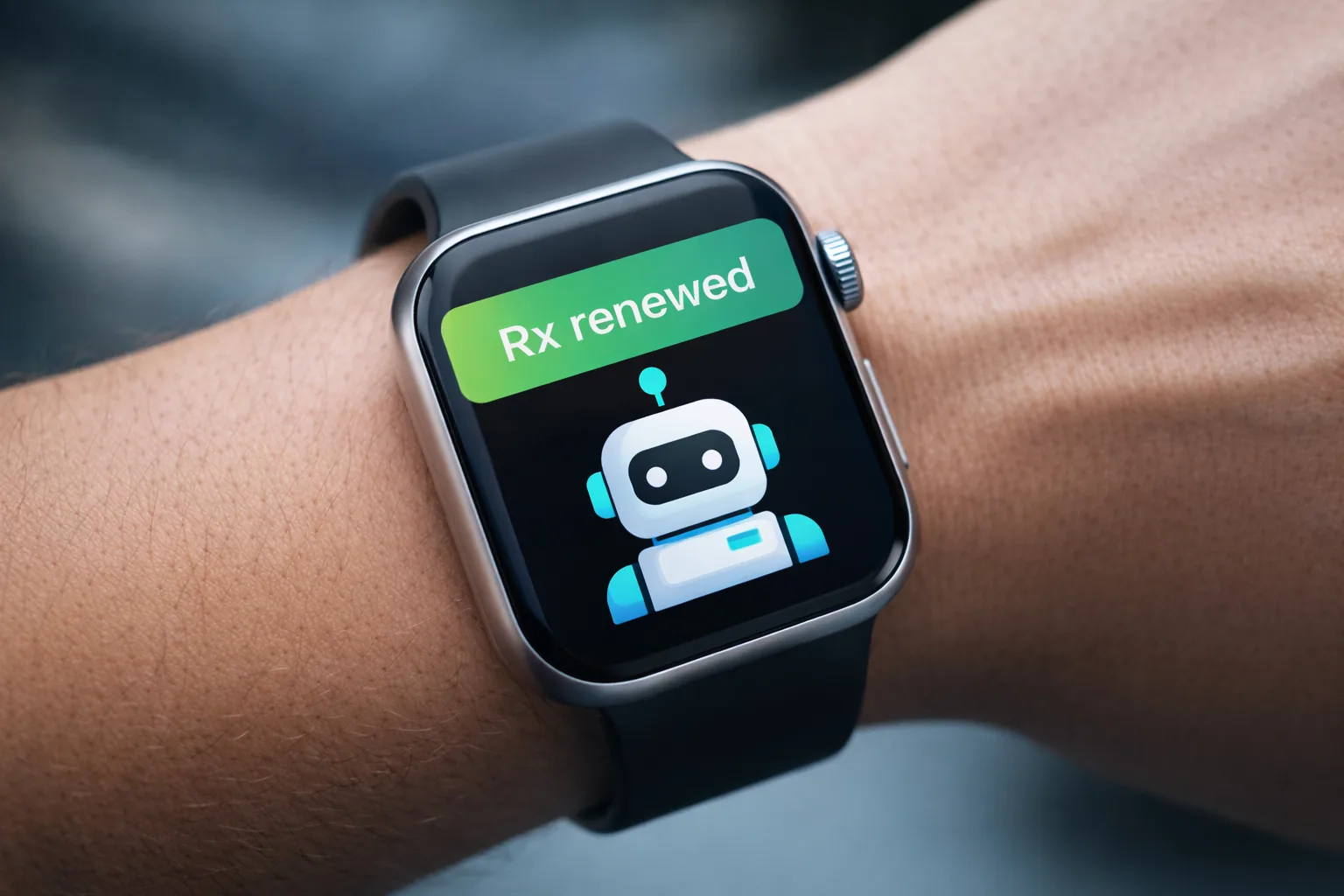
The FDA just updated its General Wellness guidance, allowing consumer devices to measure clinical parameters for coaching — no clearance required. The same week, Utah let AI renew prescriptions with no doctor. Both are doing the same thing: moving healthcare tasks out of traditional systems and into consumer channels.
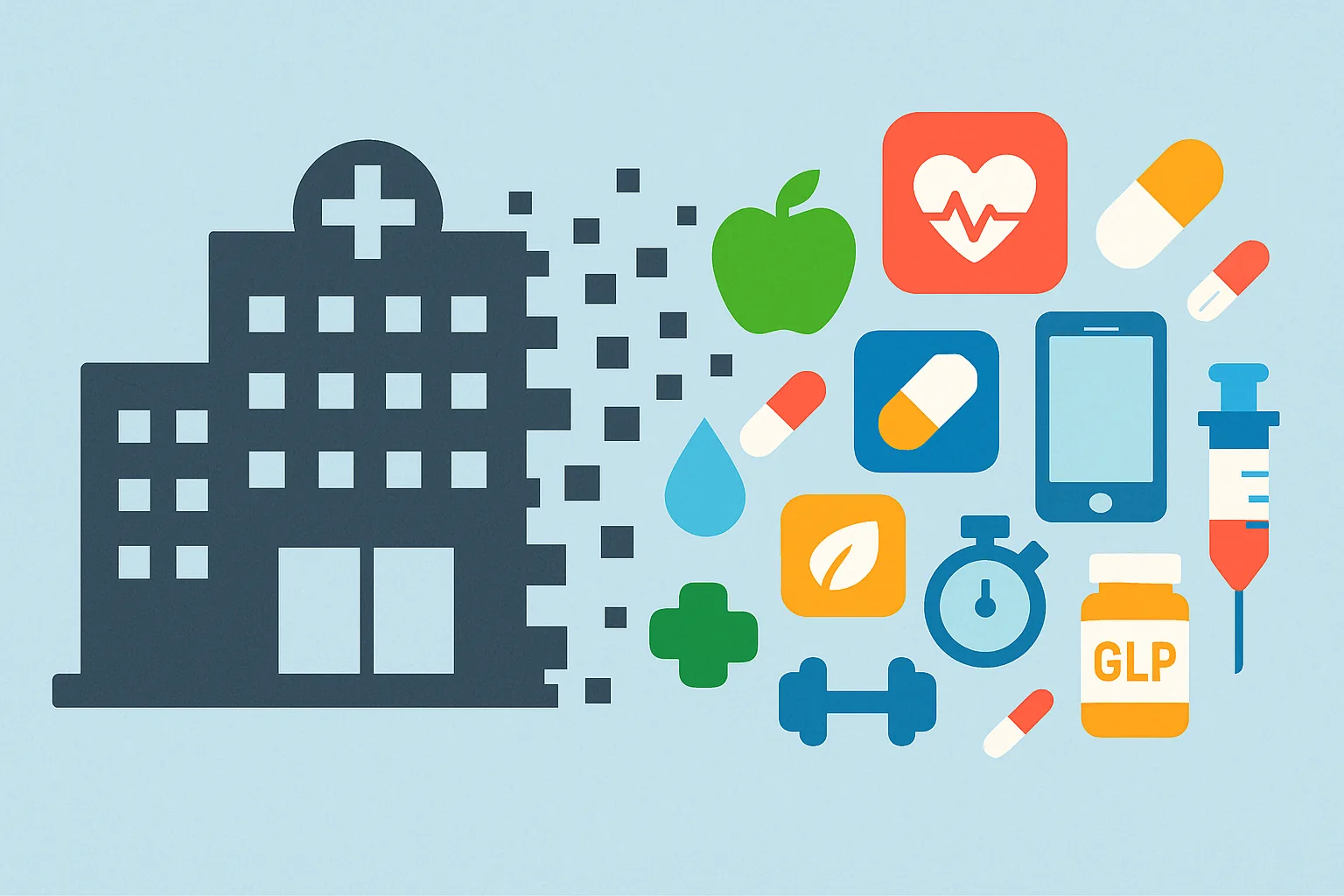
The New York Times built one of the best digital products in media — yet its real revenue and profit have fallen by more than half. That’s what disruption actually looks like: the work moves elsewhere while the industry shrinks. Healthcare is now entering the same pattern, driven by consumer tech, GLP-1s, and safer mobility. We’re heading toward better health — and a smaller healthcare system.
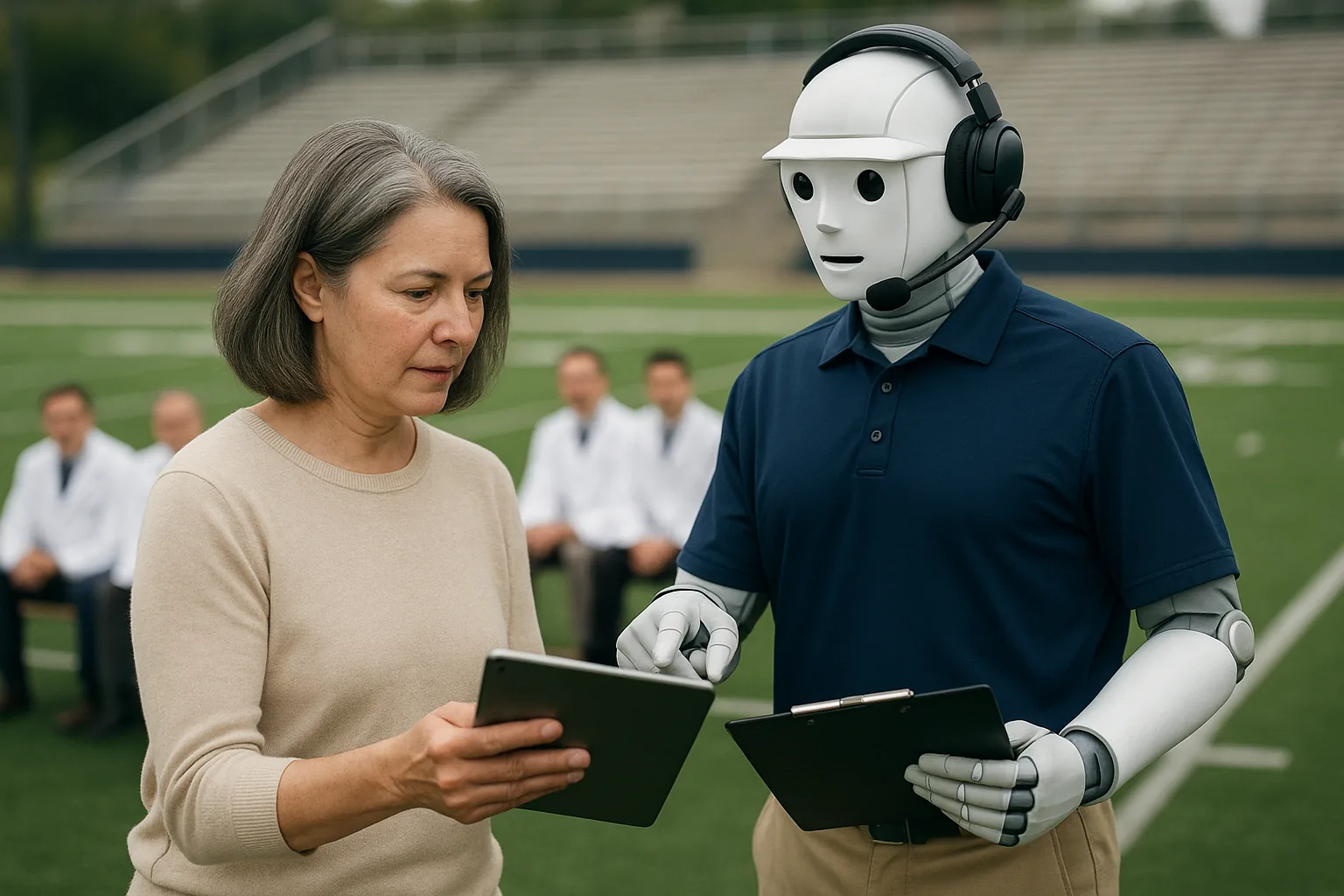
AI health coaches aren’t just for athletes anymore. They’re starting to handle the day-to-day interpretation, advice, and treatment adjustments that once required doctors. From glucose monitoring to hypertension management, technologies like Dexcom, Teladoc, and Omada are quietly taking over the work of routine clinical decision-making. This new generation of digital health coaches marks the next step in a long trend — technology shrinking healthcare by making us need it less.

Lawmakers are moving to ban AI-only insurance denials, requiring human sign-off for every case. It sounds compassionate, but it locks us into the same slow, opaque, costly system. The smarter move is AI with guardrails — transparency, audits, and contestable rationales — for faster, clearer, more accountable decisions.
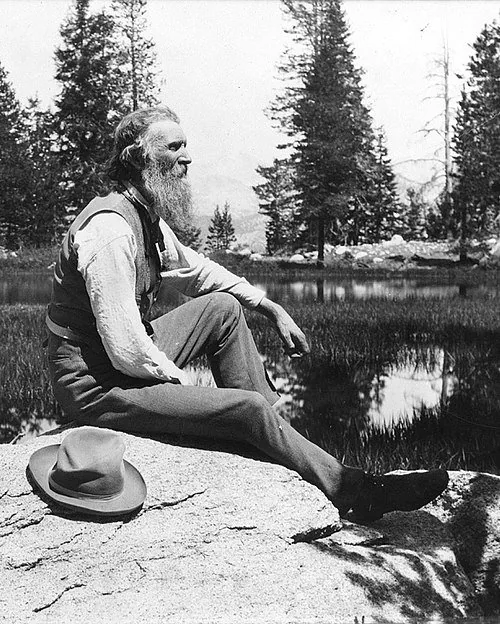
The naturalist John Muir saw how everything in nature is connected — and today AI is showing us the same truth inside the body. From Apple Watch studies on atrial fibrillation to new hypertension alerts, hidden links in long-collected data are transforming how we understand health.
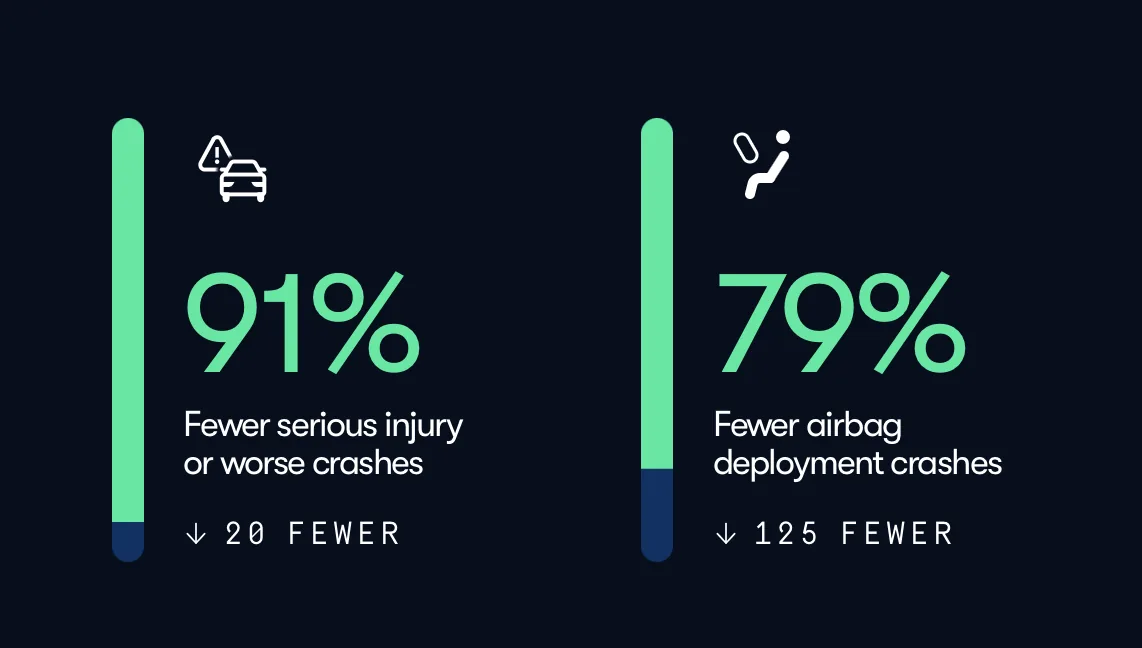
Hospitals worry about retail clinics and other healthcare competitors. But real disruption may come from outside healthcare entirely: cars that don’t crash. As autonomous driving becomes safer and more widespread, the revenue ripple effects on emergency departments, orthopedics, and imaging will be profound — and sooner than most systems expect.