
ChatGPT's Health Advice Ignored What Patients Told It
A new study of real ChatGPT conversations finds that the AI often gives health advice that doesn’t take account of what the user has already told it about their health history.
Posts on the Five Migrations: how knowledge, diagnosis, treatment, monitoring, and interpretation are moving to consumers.
Every published post with this tag.
A new study of real ChatGPT conversations finds that the AI often gives health advice that doesn’t take account of what the user has already told it about their health history.
Advocate Health saw patient connections between MyChart and ChatGPT rise more than 7,000% in one month. Hospitals must pay to deliver the records while ChatGPT increasingly competes with them to interpret those records for patients.
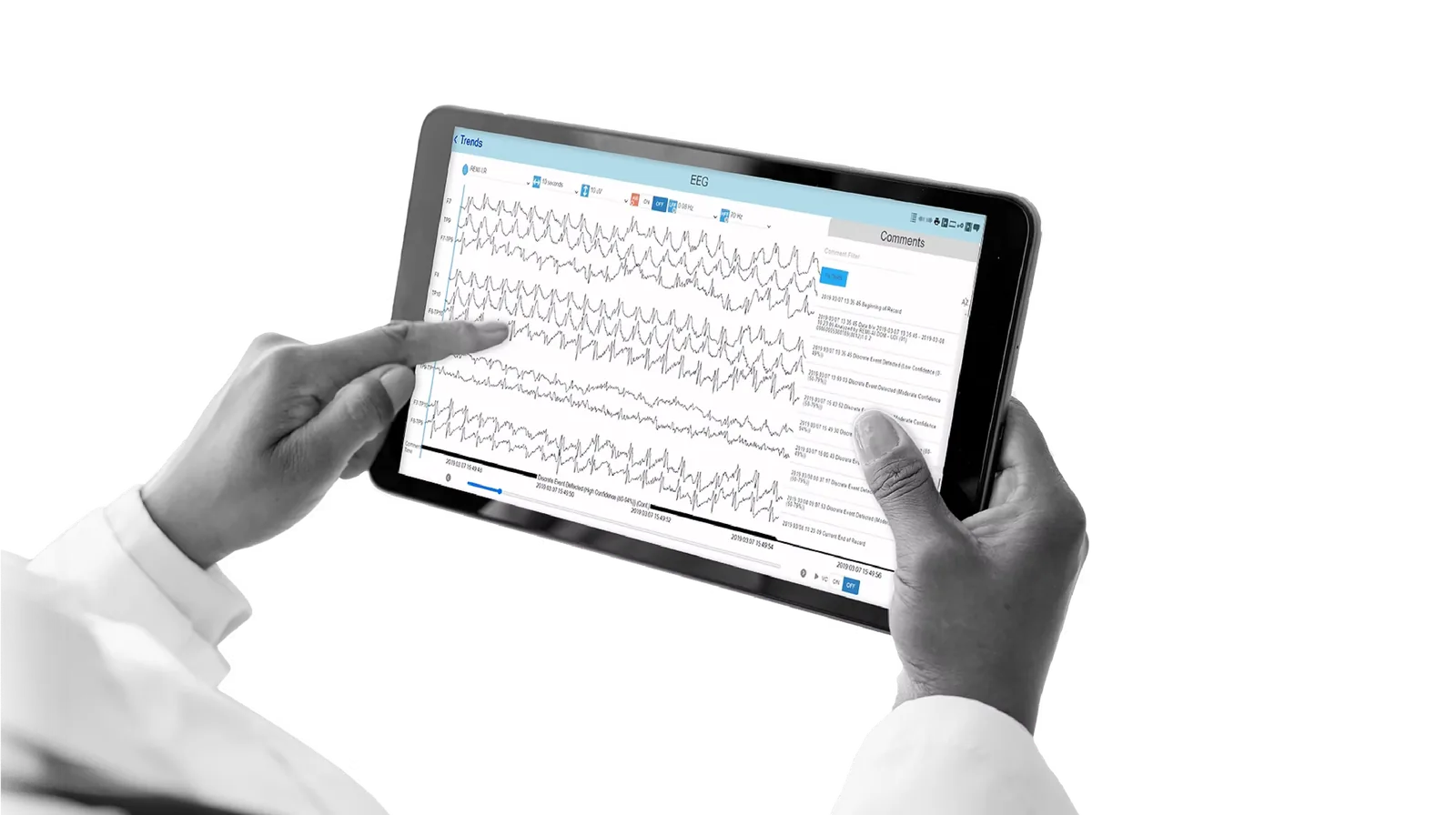
Epitel raised $26 million for REMI, a wireless EEG worn at home for weeks. It replaces multi-day inpatient workups at one of the country's few epilepsy monitoring units — lower resolution, but cheaper, more convenient, and longer, so it can catch seizures a three-day stay would miss. Classic Monitoring Migration. Classic disruption, too.
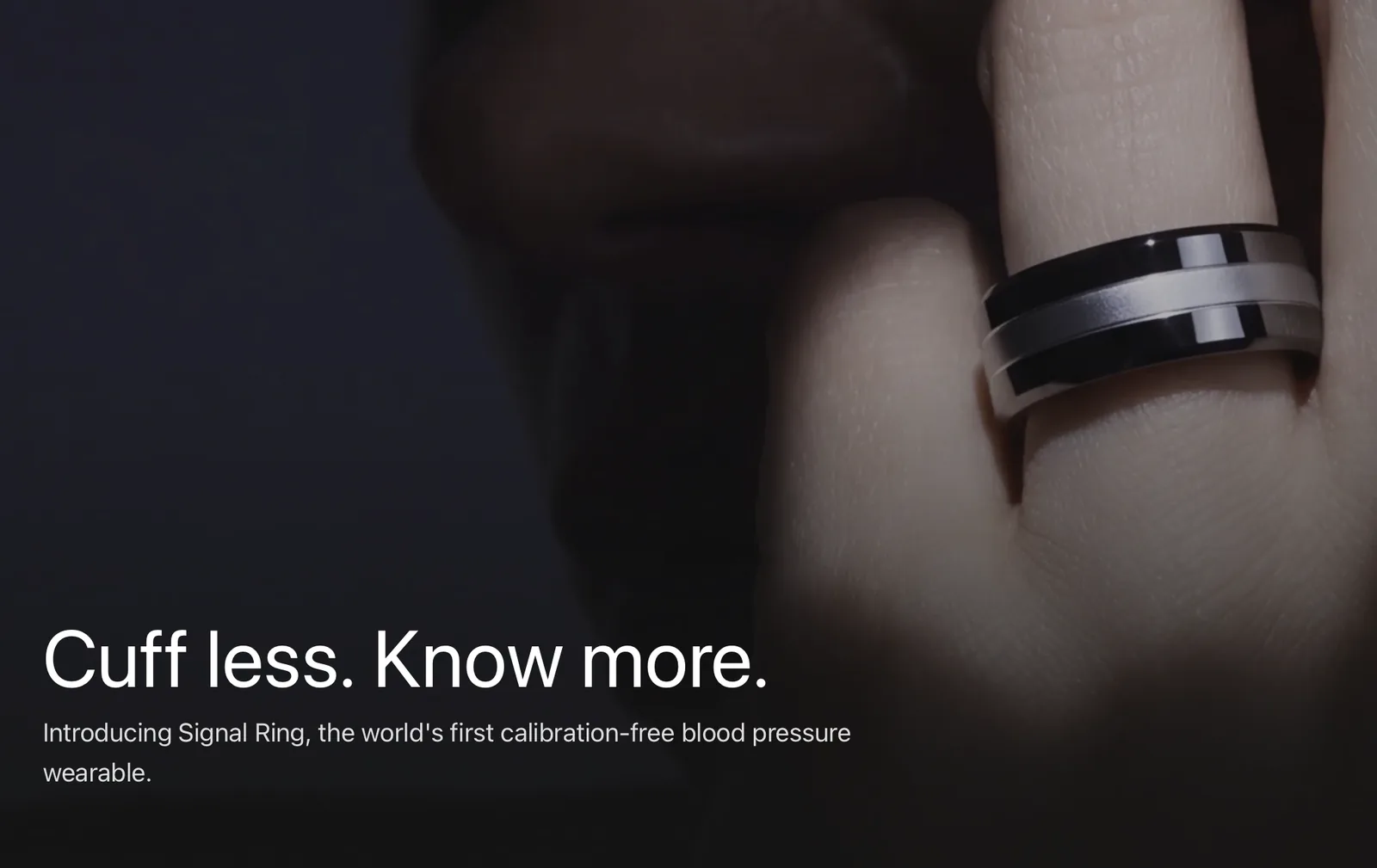
Signal Ring just announced a $399 ring that reads blood pressure continuously with no cuff and no need to calibrate. A first — if it works. Prompted me to look at where we are with current efforts at BP on wearables from Huawei, Samsung, Hilo, and Apple. Bottom line: no cuff-less device has been validated for continuous use, including Signal Ring.
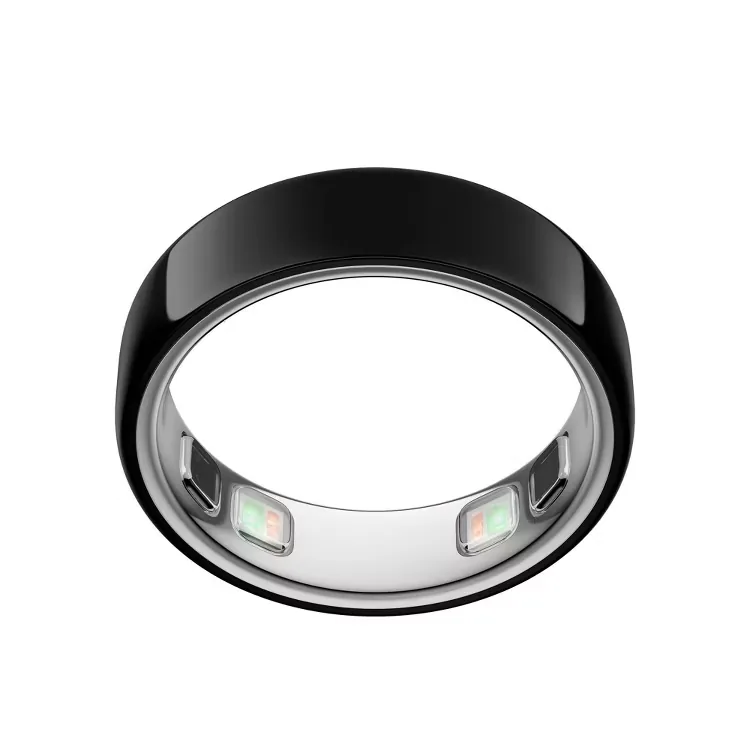
The front door to healthcare is a funnel: it directs patients to higher-level care, where the money is. Oura and Whoop are rebuilding that front door on a consumer subscription — and the demand it absorbs never shows up in the claims data.

A prescription acne combination just moved to the open drug store shelf — and the FDA's justification, not the drug, is the story. Treatment Migration continues.
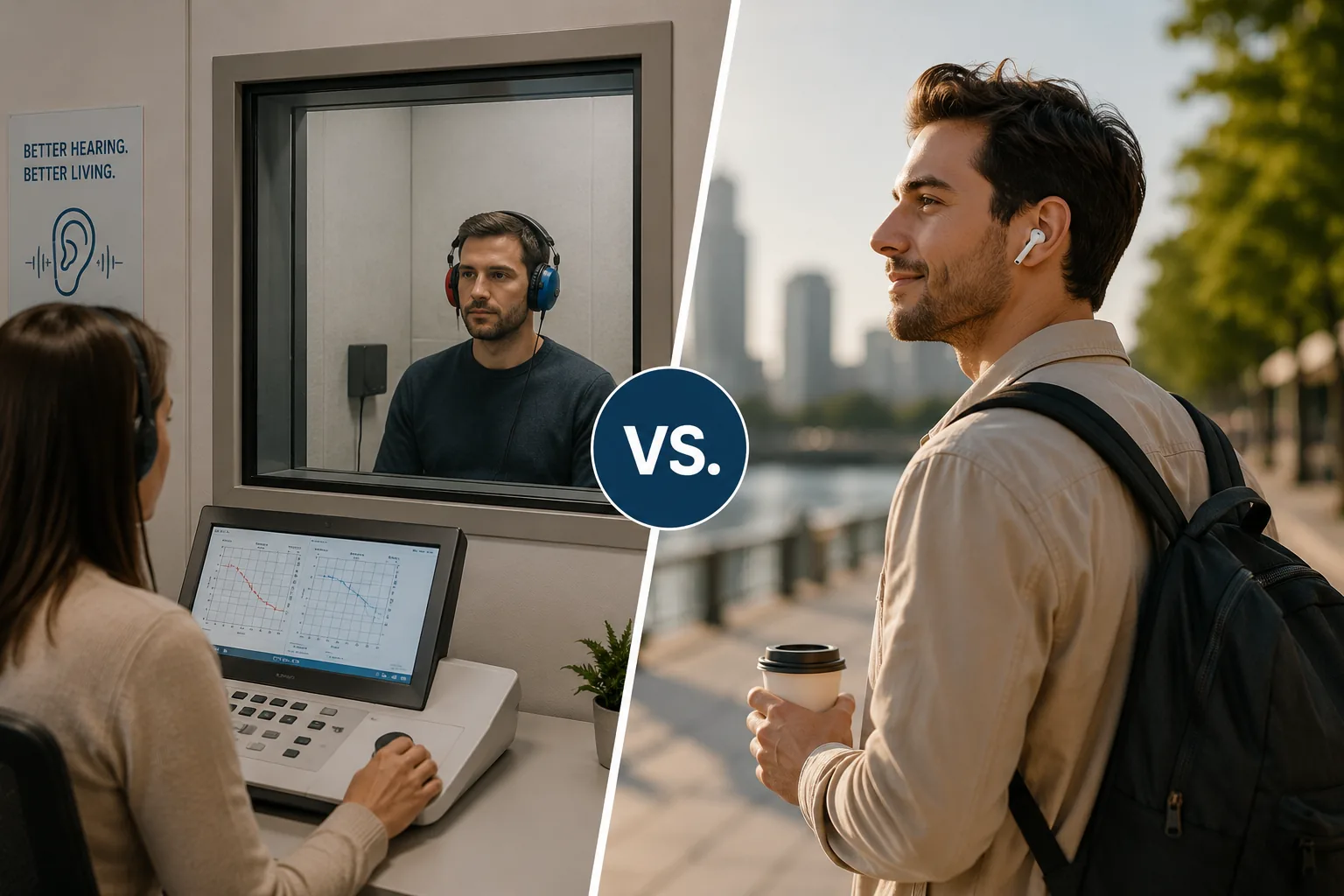
For decades, hearing and exercise science depended on controlled studies conducted in clinics and universities, with specialized equipment and groups of volunteers. Now millions of people are generating real-world physiological and behavioral data every day through consumer devices — turning ordinary life into a continuous, global research platform.
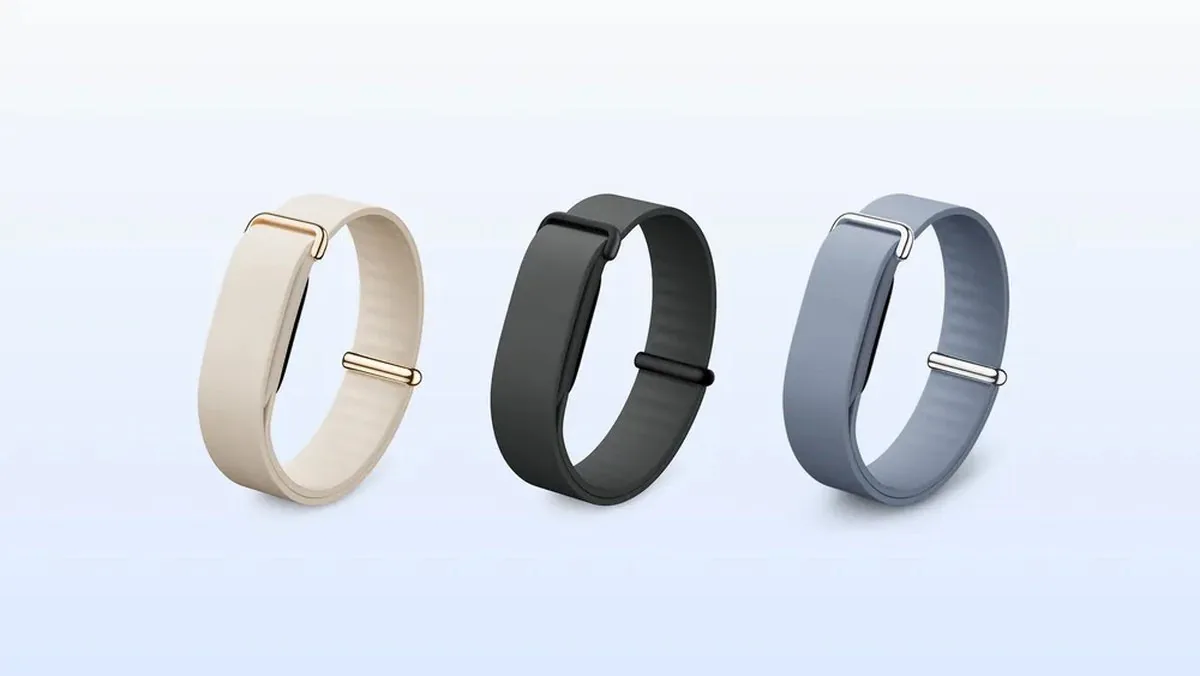
Apple has priced biometric interpretation at zero since 2015. Google joined them this week with the $99 Fitbit Air. Whoop and Oura now have to explain a five-year cost of ownership that runs seven to eighteen times higher — and the annual checkup has to explain why it still exists.
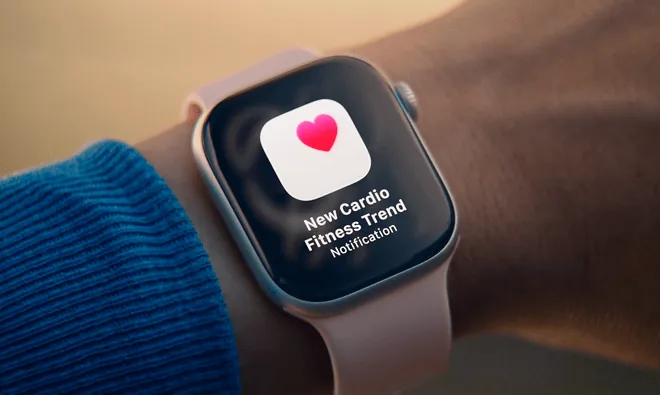
There's a number that predicts whether you'll be alive in ten years better than your blood pressure, your cholesterol, your BMI, or whether you smoke. The American Heart Association has been recommending it as a vital sign since 2016. Your doctor has almost certainly never measured it. Apple Watch measures it every time you take a brisk walk.
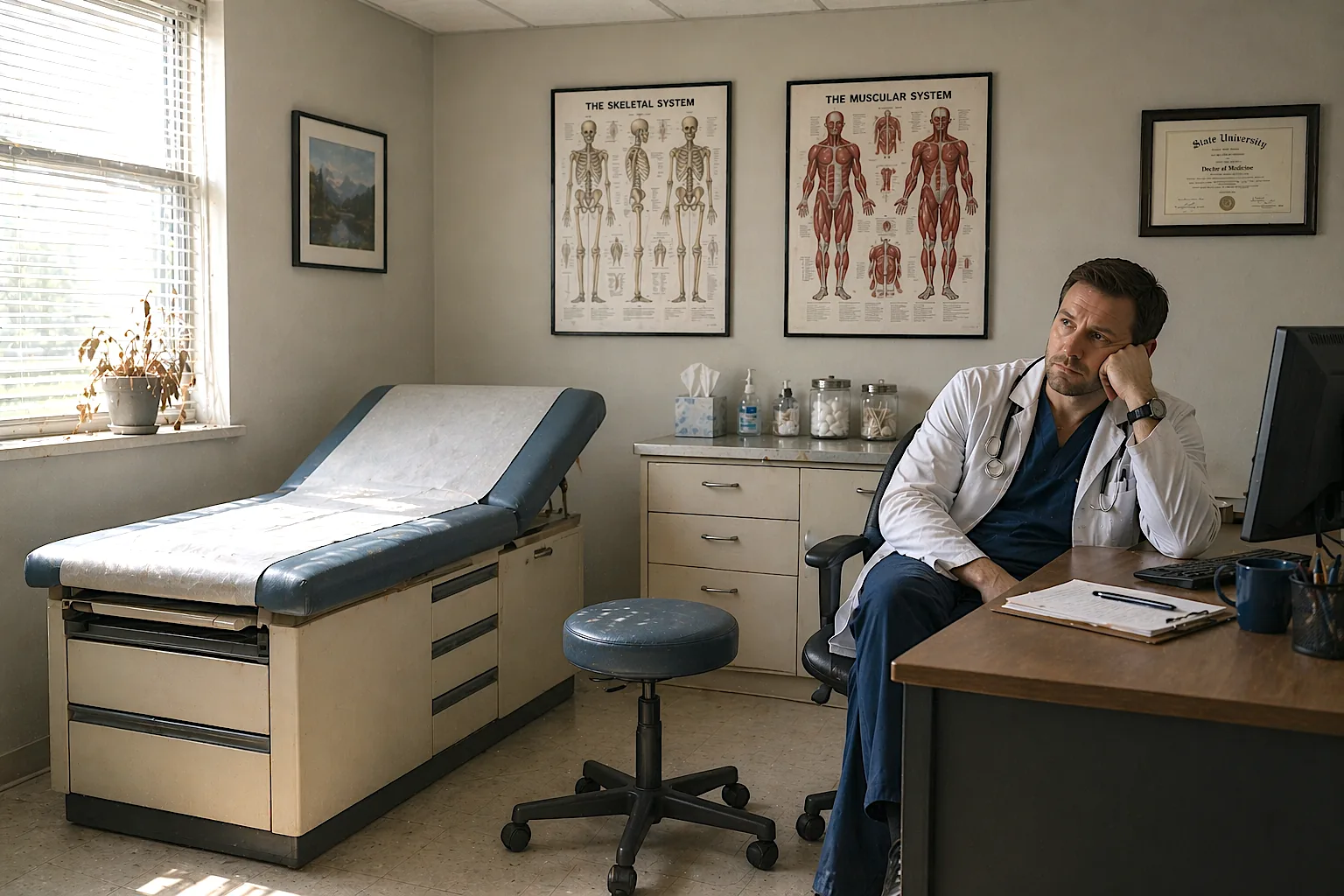
Gallup says 14 million U.S. adults skipped a provider visit last month after using AI, which adds up to 168 million skipped visits per year. That's 16% of monthly physician visits — and it’s completely invisible in claims data, and ignored in healthcare planning.
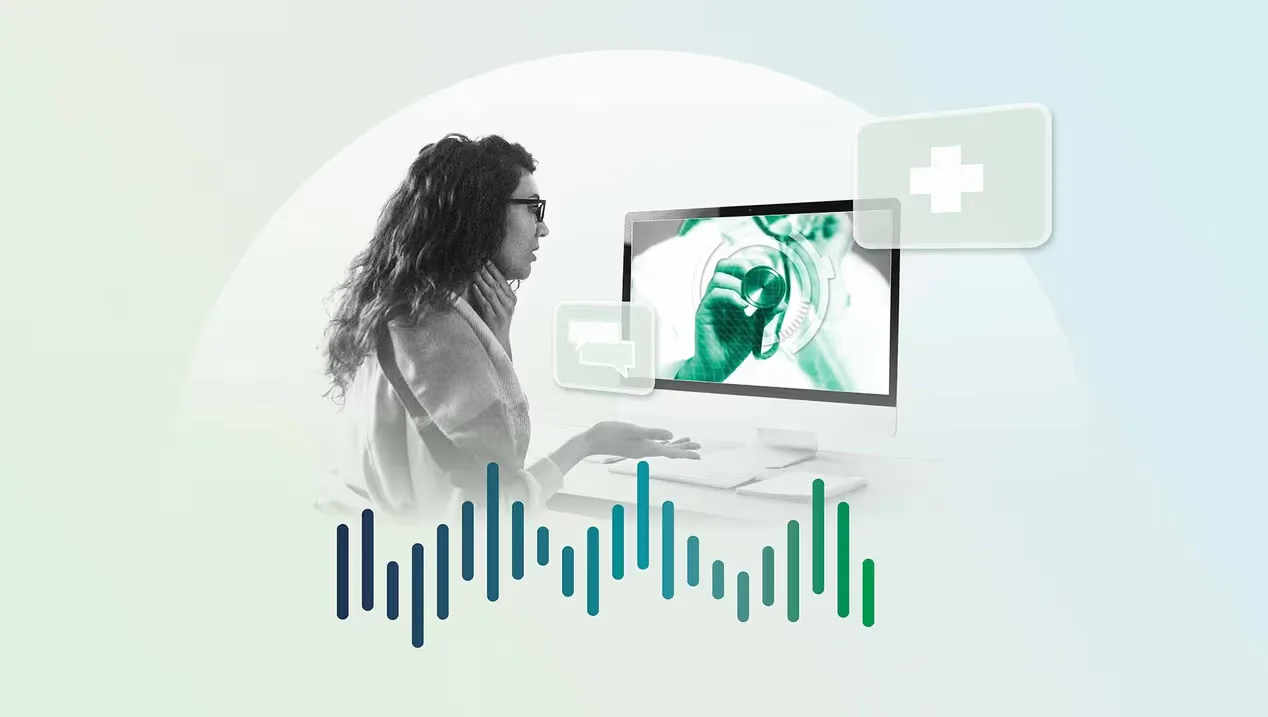
Gallup and West Health just gave us some solid data on the Five Migrations.In a nationally representative survey of 5,500 U.S. adults released April 15, 14% said the AI-generated advice led them to skip a provider visit in the past 30 days. Projected to the adult population, that's roughly 14 million missed appointments in a single month.
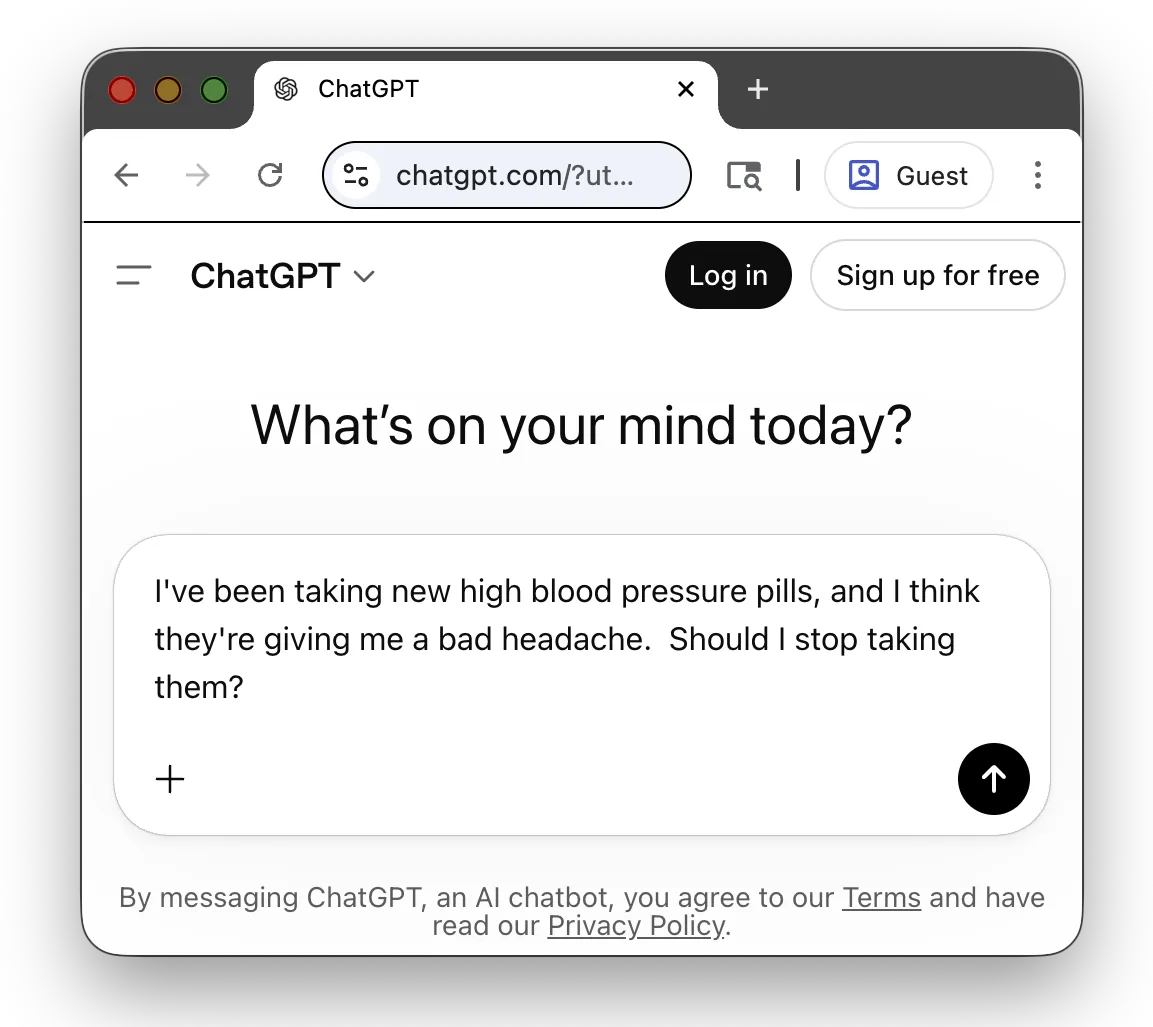
Eighteen percent of AI chatbot users have adjusted a medication based on a chatbot conversation. No doctor, no clinical oversight, no documentation anywhere in the healthcare system. The prescribed regimen and the actual regimen are diverging more and more, via a channel that is invisible to healthcare.
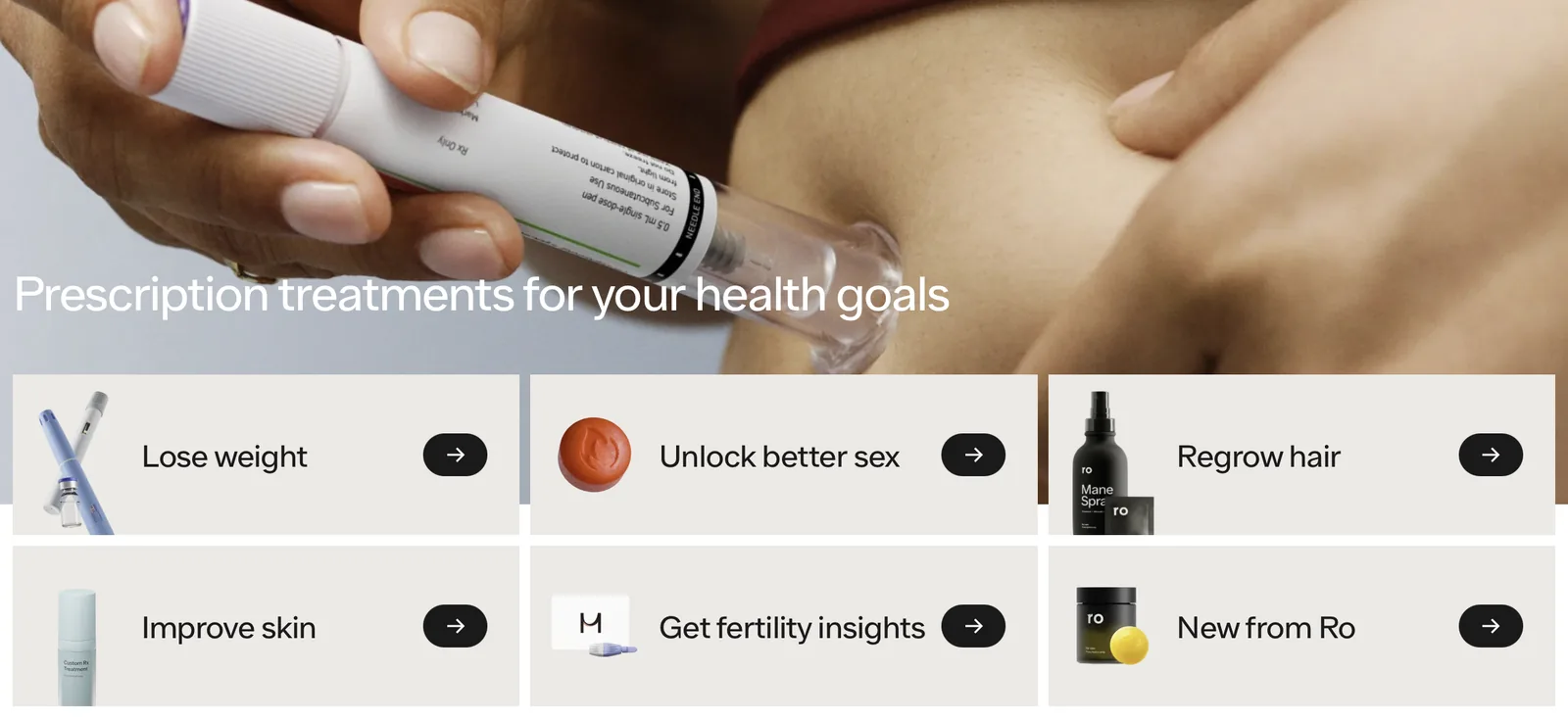
I speak with at least 100 healthcare leaders each year. They track everything — length of stay, readmissions, OR utilization, revenue cycle velocity. The one thing they're not tracking at all? The demand leaving the system entirely. And a Harvard finding that should have set off alarms six years ago has gone almost completely unnoticed.
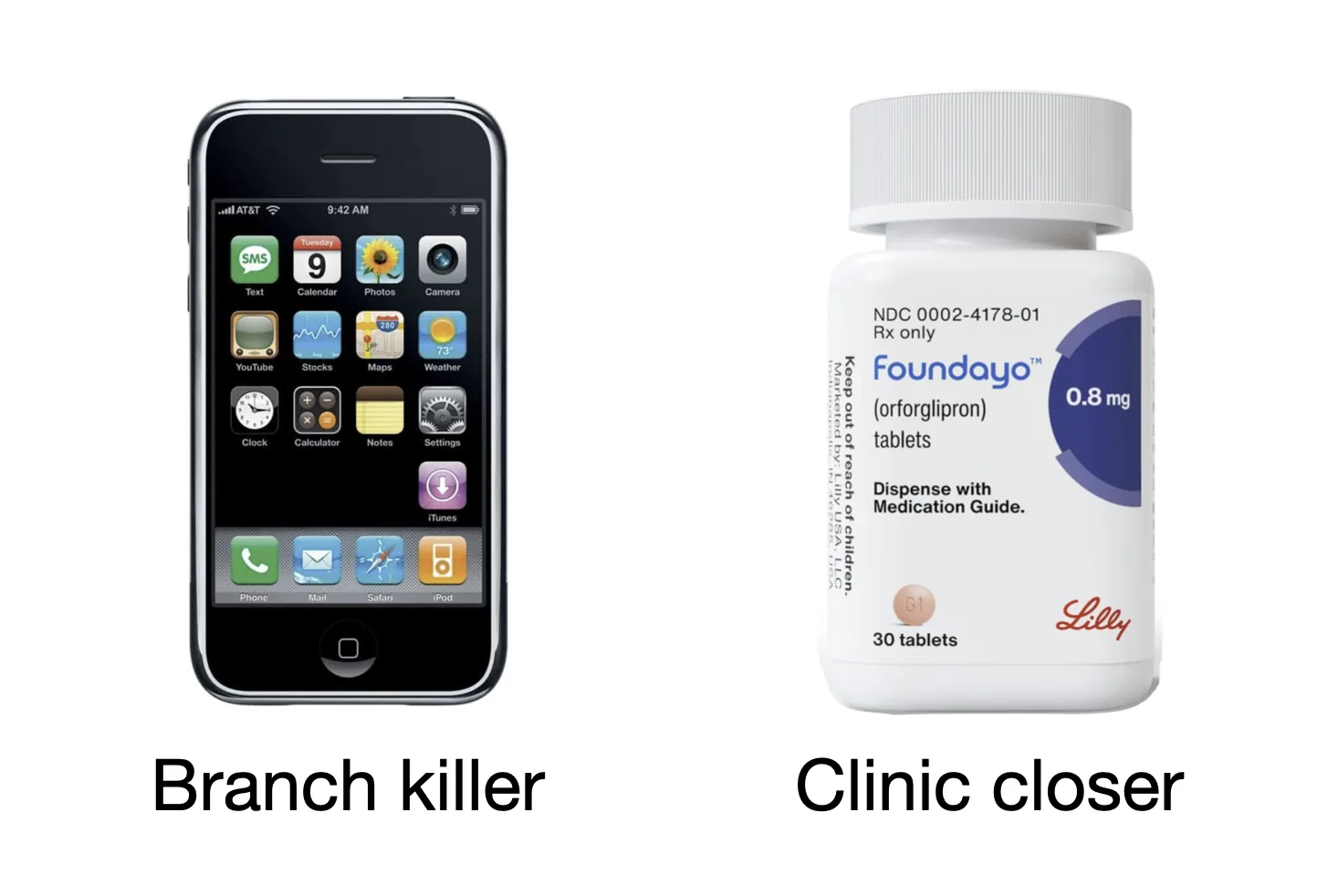
Clinical AI can make doctors more efficient and reduce burnout. But wearables, GLP-1 drugs, direct-to-consumer labs, and AI health assistants are doing something far more radical: they’re making many traditional doctor visits unnecessary. The real disruption in healthcare is already happening outside the exam room.
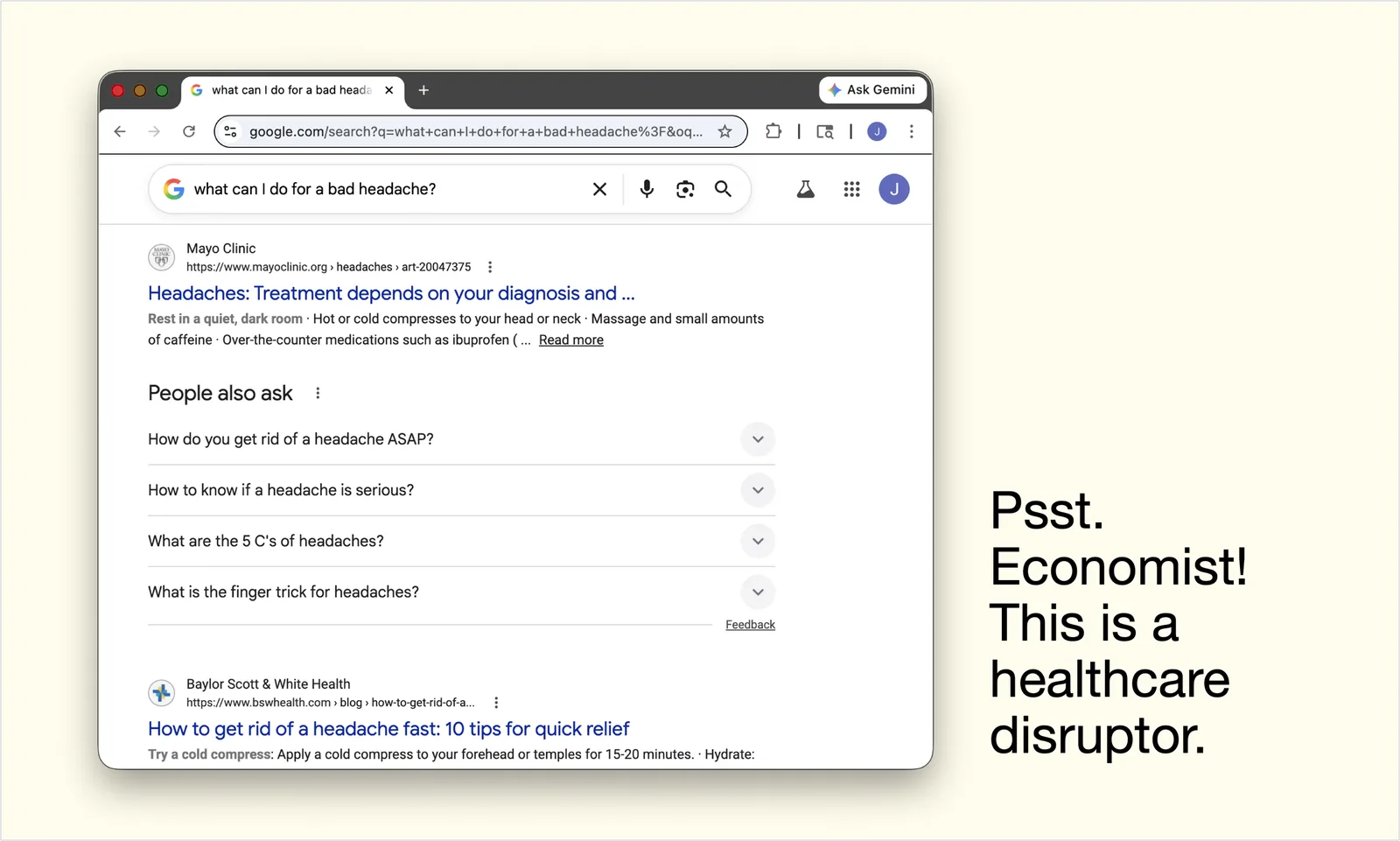
The Economist says healthcare has "proved resistant to treatment from disrupters." If that's true, why has per capita spending growth been falling for fifty years? Why have primary care visits dropped 24%? Because the Economist, and the healthcare system, don't count disruption that doesn't call itself healthcare.