
Utah's AI Prescription Renewal Experiment Has No Independent Monitor
Utah’s Doctronic AI prescription renewal pilot reports no adverse events, but lacks an official independent audit, active patient follow-up, and a comparison with usual care.
Posts on consumer health technology and the growing ability of people to manage health beyond traditional care settings.
Every published post with this tag.
Utah’s Doctronic AI prescription renewal pilot reports no adverse events, but lacks an official independent audit, active patient follow-up, and a comparison with usual care.
Advocate Health saw patient connections between MyChart and ChatGPT rise more than 7,000% in one month. Hospitals must pay to deliver the records while ChatGPT increasingly competes with them to interpret those records for patients.
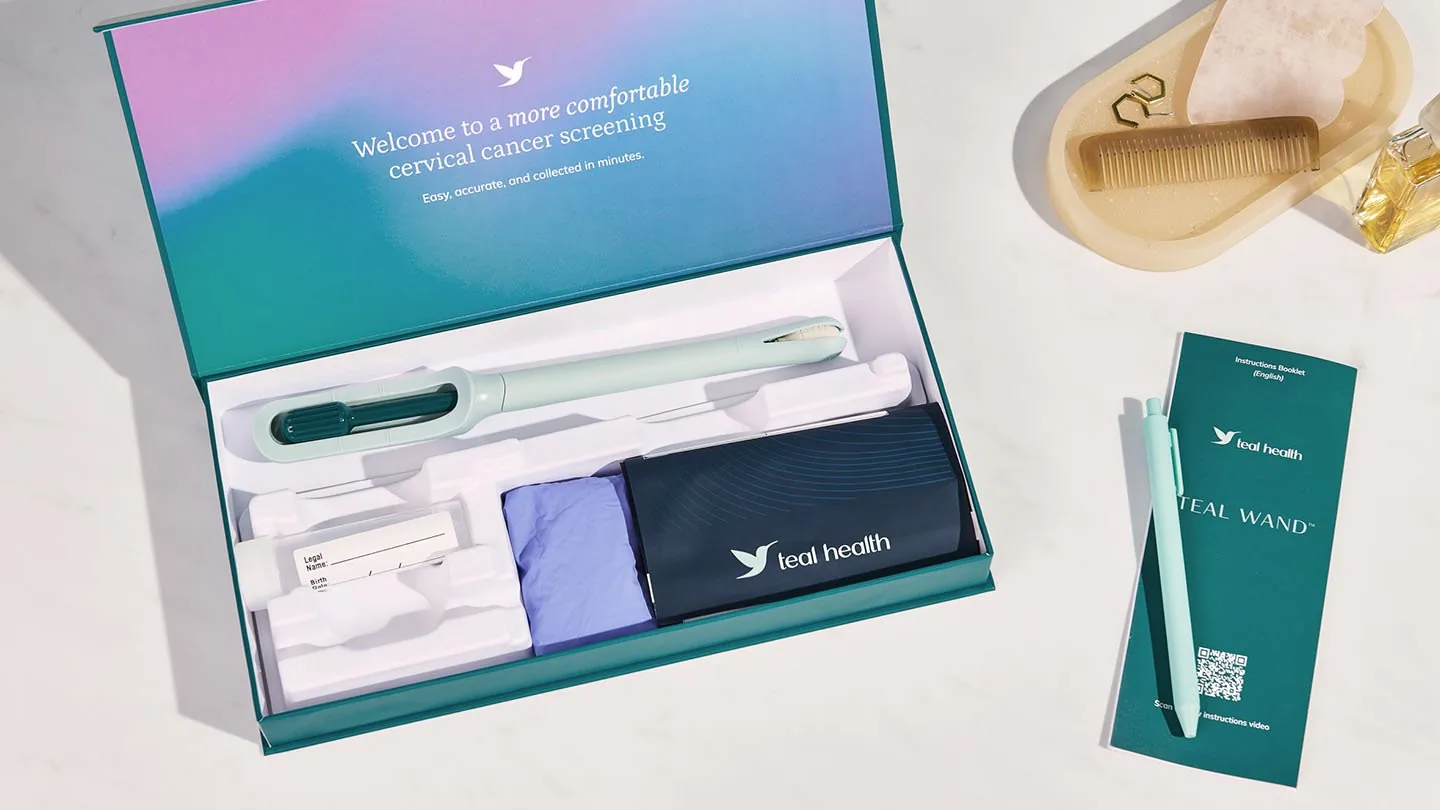
Teal Health raised $22 million for the Teal Wand, which lets women collect their own sample at home for HPV cervical cancer screening — no speculum, no clinic visit, no missing work. Starting in 2027, most private insurers have to cover it at no cost. Classic Diagnosis Migration, though a positive result still sends women back to the clinic for followup (which will also be covered by insurance).
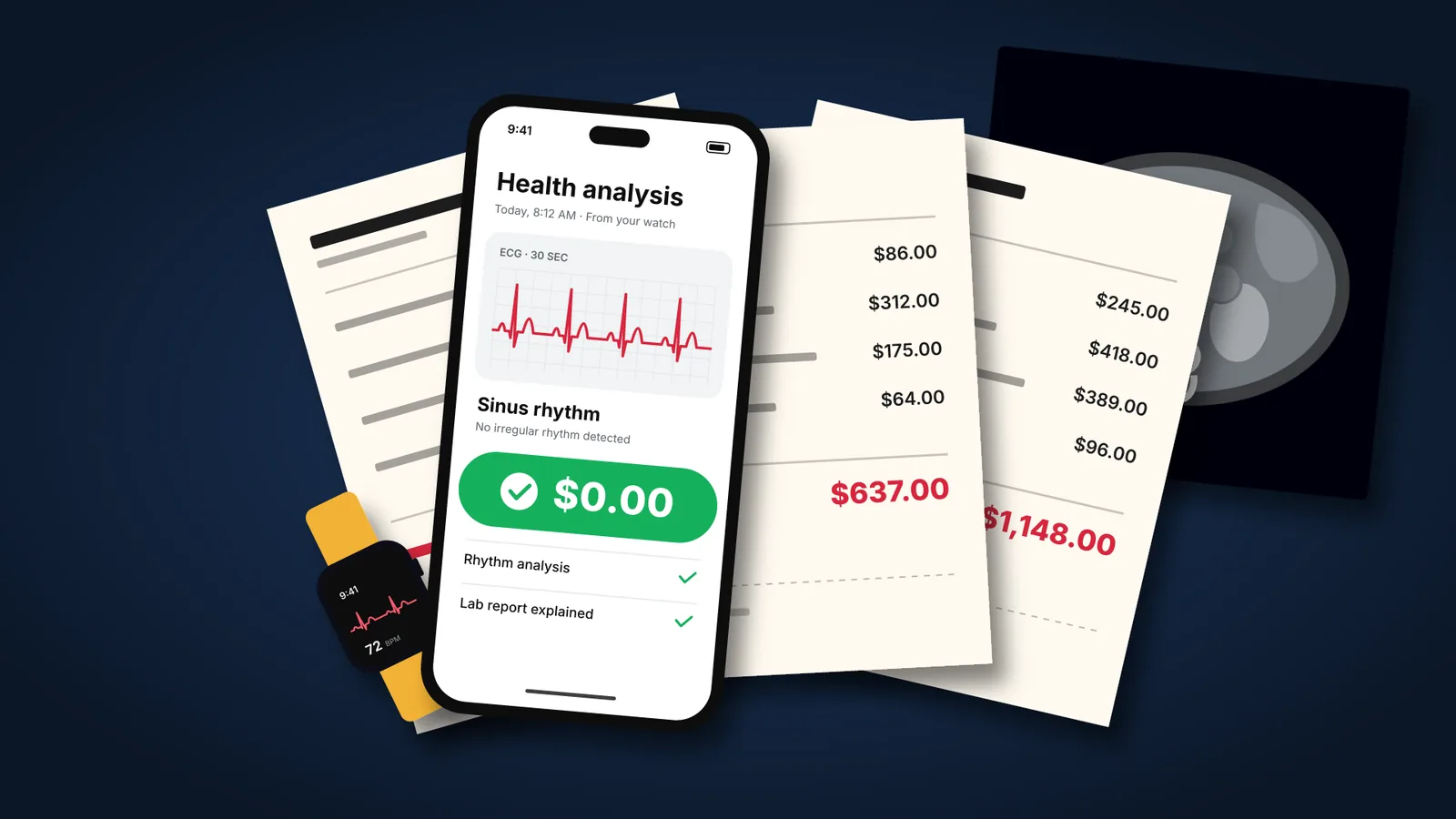
As medical testing becomes software, new tests and interpretations can be bundled into phones, watches, and subscriptions. Big Tech can earn money by giving them away, putting pressure on healthcare companies that sell them. What will this mean for patients, labs, and healthcare orgs?
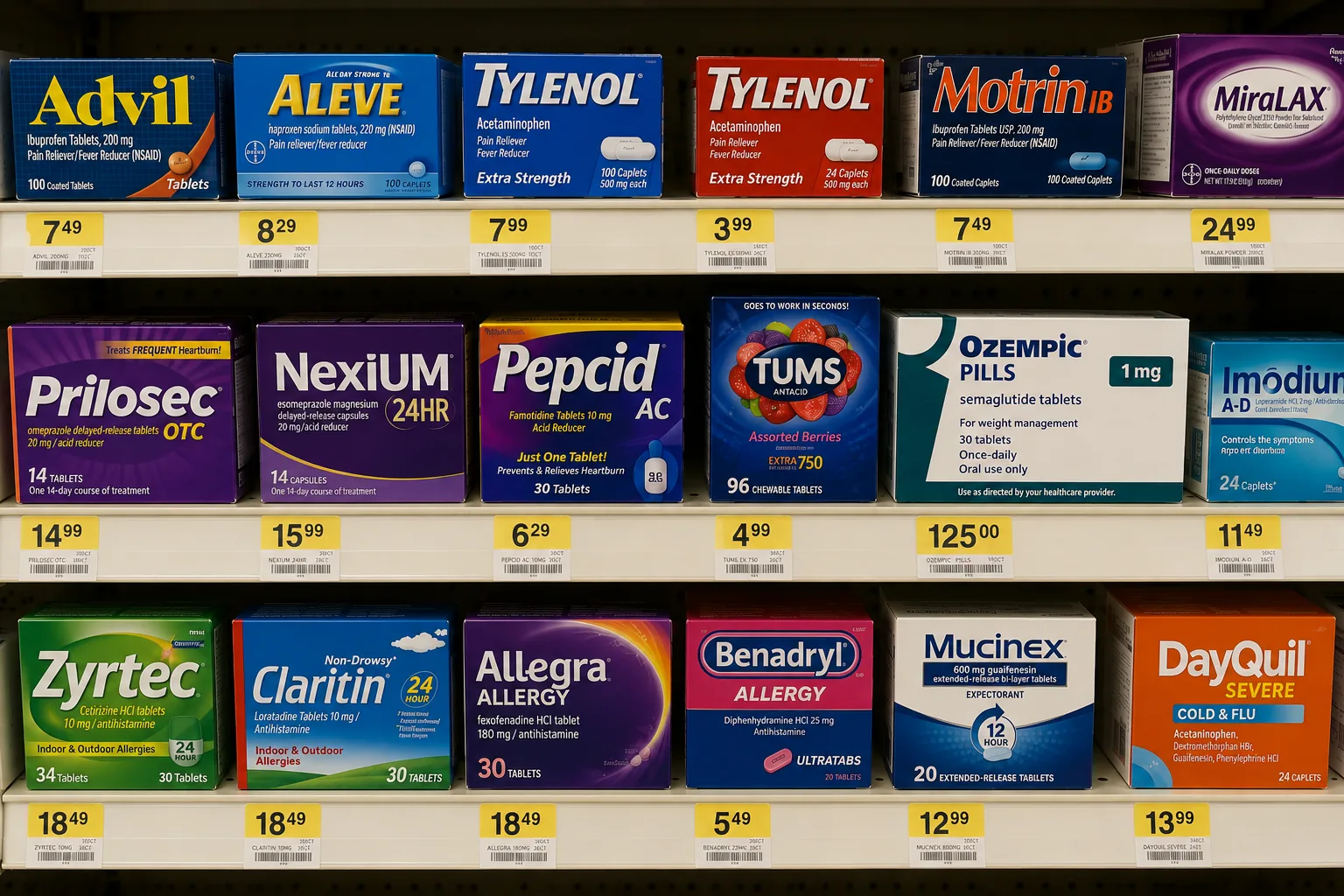
Forty-five of 49 telehealth sites prescribed a GLP-1 to a fake patient based on a web form and an upper-body photo. The prescription requirement doesn’t exist in practice. Given a benign 20-year safety record and a new FDA pathway for OTC drugs that need screening, it may be time to stop pretending otherwise.
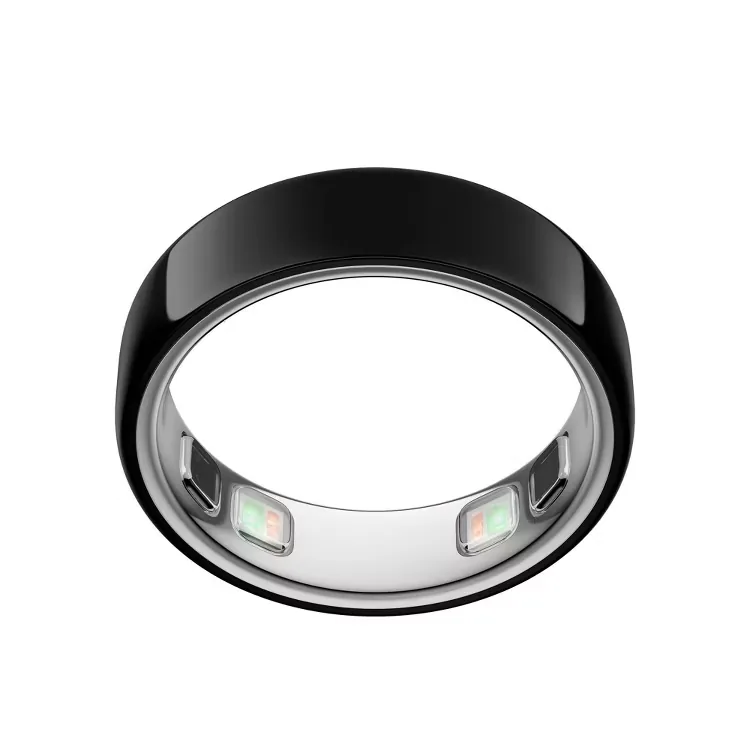
The front door to healthcare is a funnel: it directs patients to higher-level care, where the money is. Oura and Whoop are rebuilding that front door on a consumer subscription — and the demand it absorbs never shows up in the claims data.

Danielle Ofri’s latest New York Times essay is the latest entry in a familiar genre: the physician explaining why AI cannot replace doctors. But the real question hospital systems, medical schools, and workforce planners need to answer is not whether AI will replace doctors. It is how many physicians we will need once the set of tasks that only physicians can perform are dramatically reduced.
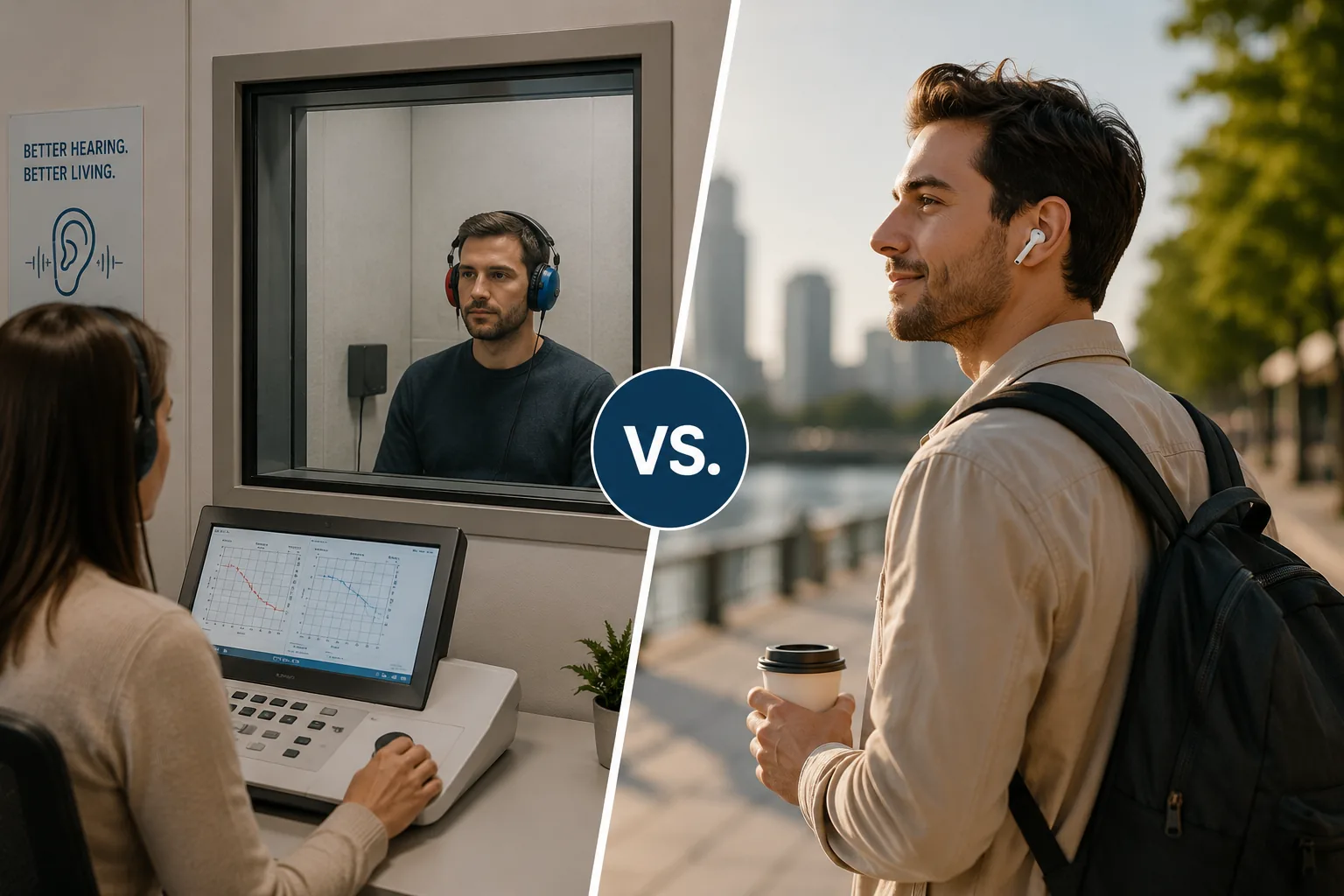
For decades, hearing and exercise science depended on controlled studies conducted in clinics and universities, with specialized equipment and groups of volunteers. Now millions of people are generating real-world physiological and behavioral data every day through consumer devices — turning ordinary life into a continuous, global research platform.
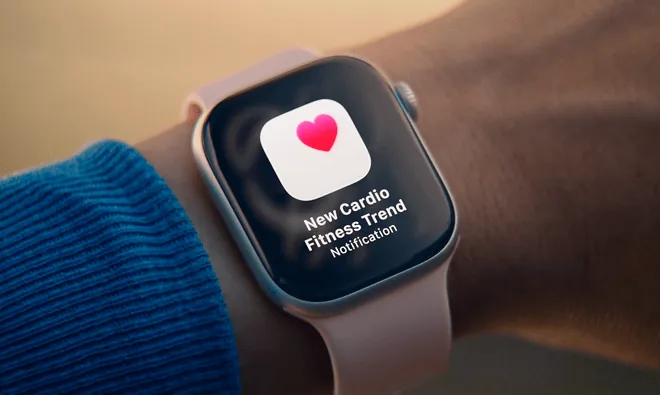
There's a number that predicts whether you'll be alive in ten years better than your blood pressure, your cholesterol, your BMI, or whether you smoke. The American Heart Association has been recommending it as a vital sign since 2016. Your doctor has almost certainly never measured it. Apple Watch measures it every time you take a brisk walk.
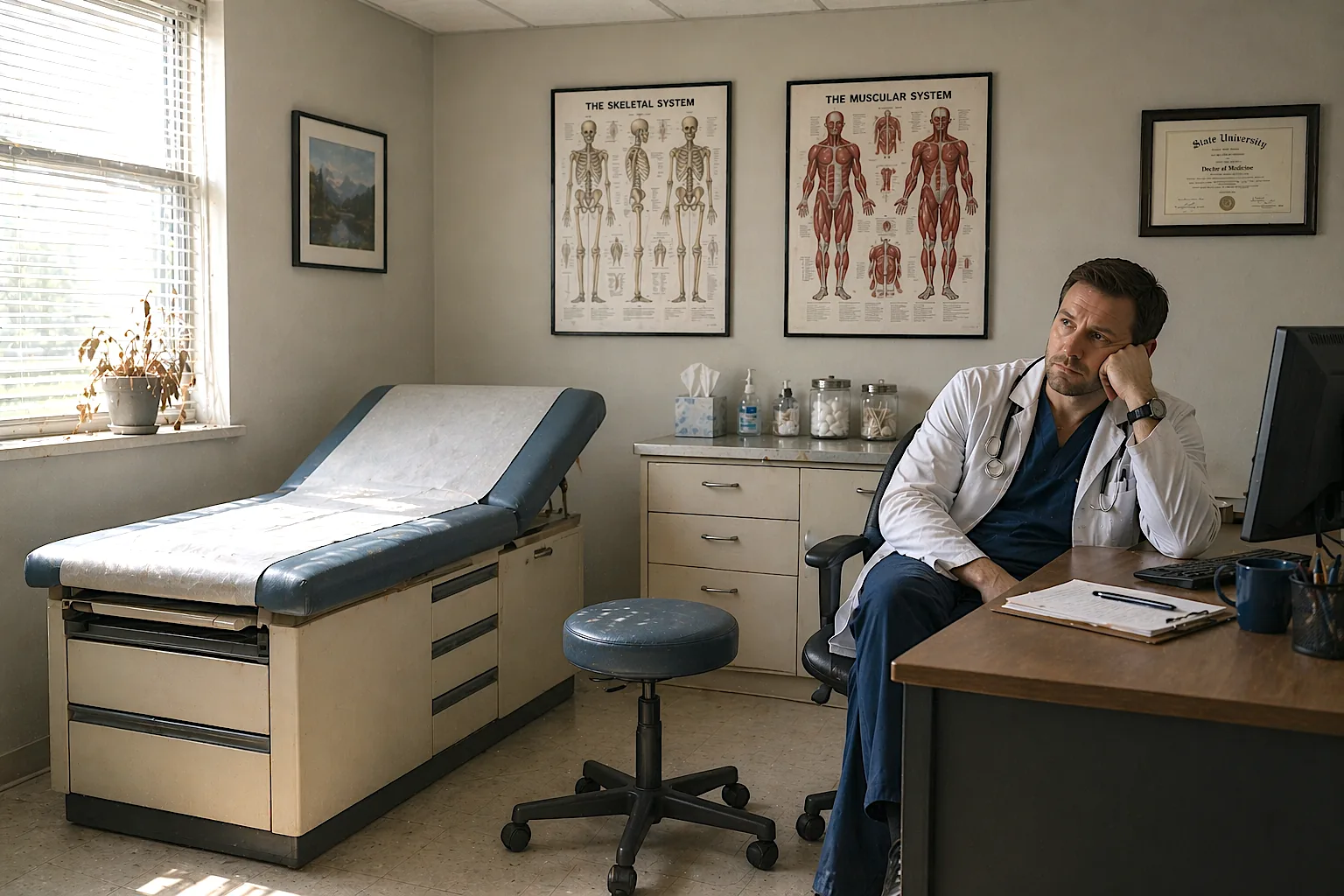
Gallup says 14 million U.S. adults skipped a provider visit last month after using AI, which adds up to 168 million skipped visits per year. That's 16% of monthly physician visits — and it’s completely invisible in claims data, and ignored in healthcare planning.
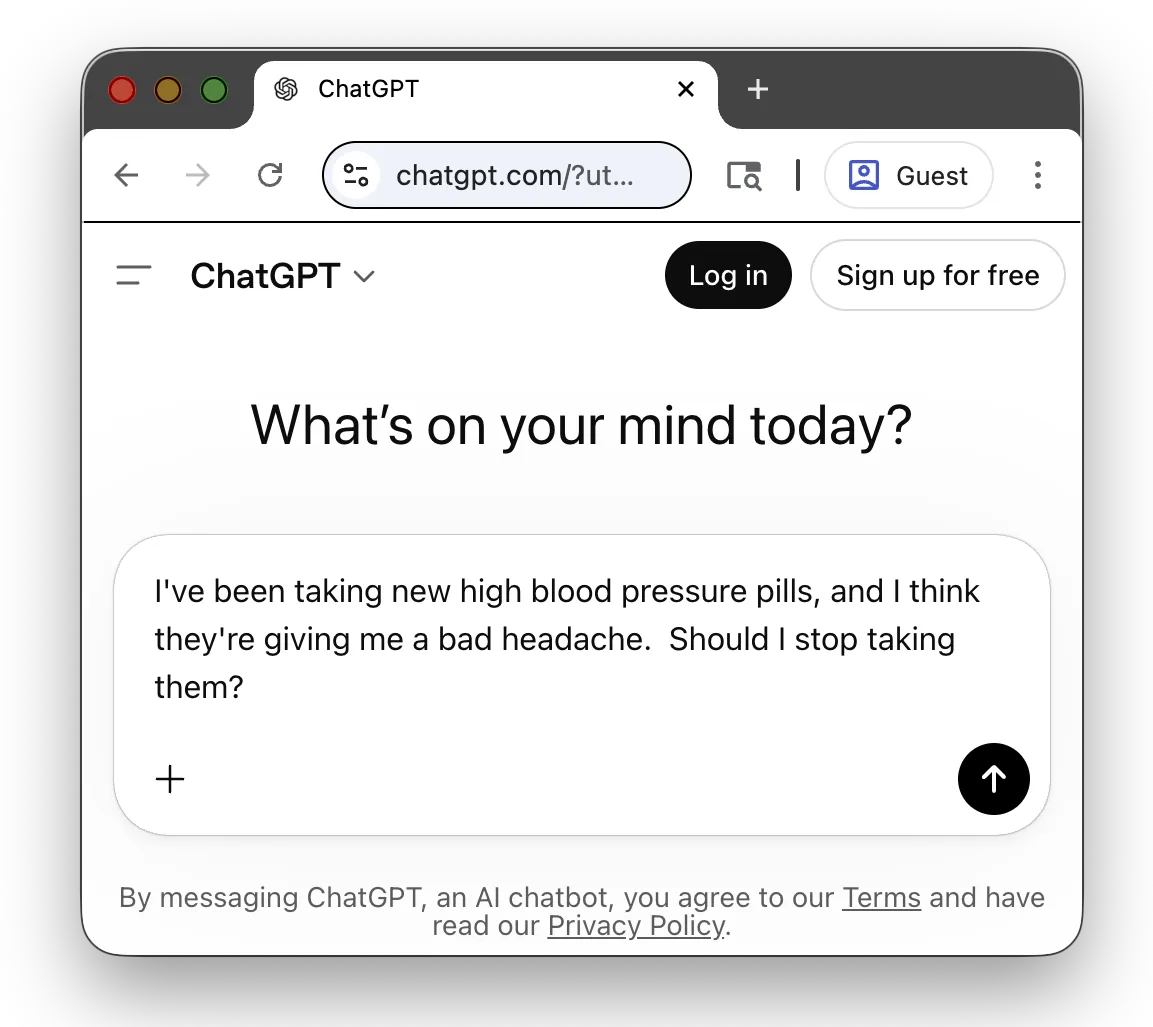
Eighteen percent of AI chatbot users have adjusted a medication based on a chatbot conversation. No doctor, no clinical oversight, no documentation anywhere in the healthcare system. The prescribed regimen and the actual regimen are diverging more and more, via a channel that is invisible to healthcare.
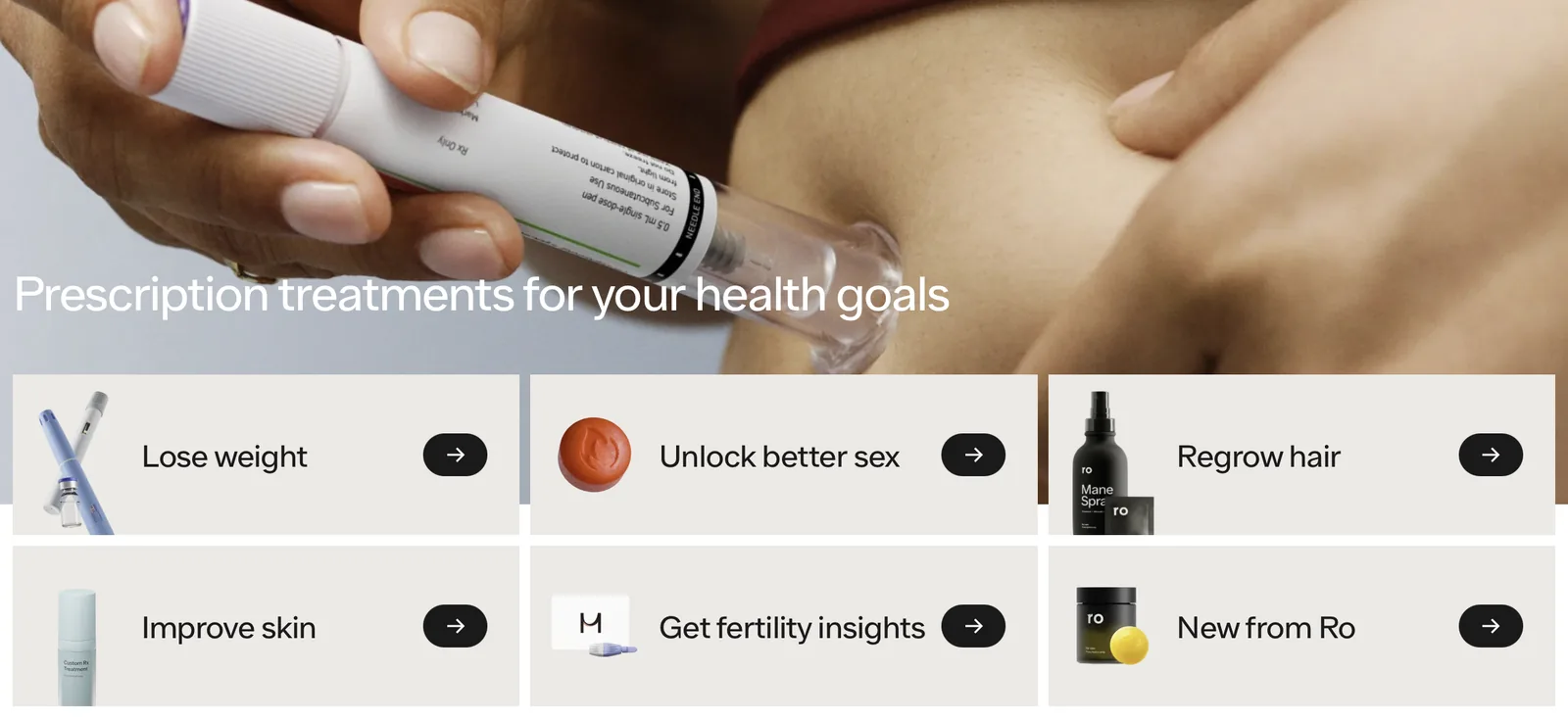
I speak with at least 100 healthcare leaders each year. They track everything — length of stay, readmissions, OR utilization, revenue cycle velocity. The one thing they're not tracking at all? The demand leaving the system entirely. And a Harvard finding that should have set off alarms six years ago has gone almost completely unnoticed.
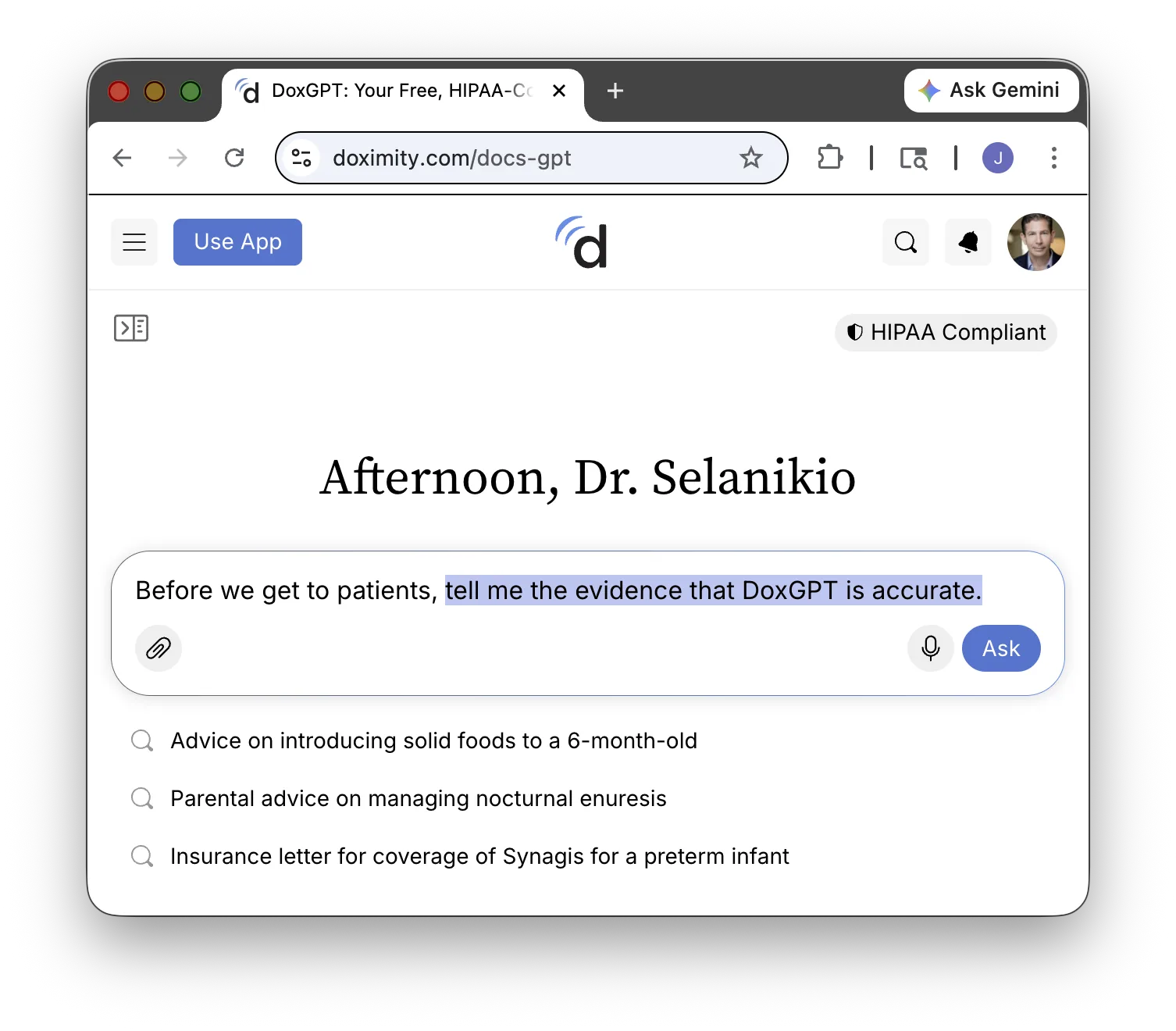
40% of U.S. physicians use OpenEvidence. DoxGPT had 300,000 clinician users last quarter. UpToDate just launched Expert AI. Not one of these tools appears to have been independently tested for accuracy or safety. A profession built on evidence-based medicine is adopting AI with no evidence.
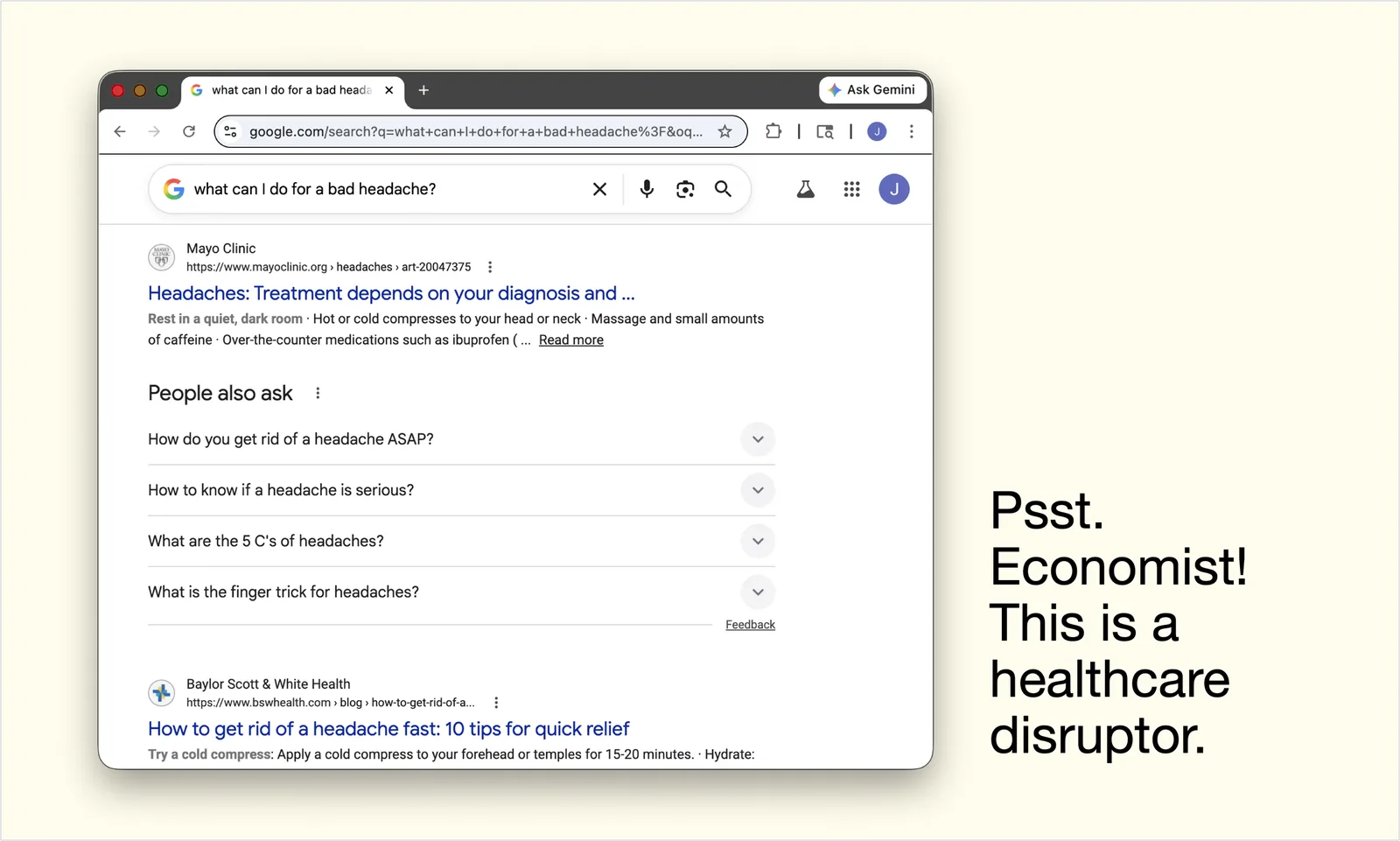
The Economist says healthcare has "proved resistant to treatment from disrupters." If that's true, why has per capita spending growth been falling for fifty years? Why have primary care visits dropped 24%? Because the Economist, and the healthcare system, don't count disruption that doesn't call itself healthcare.
Medicine has a well-established model for distributing liability across physicians and tools: whoever caused the failure bears the liability. AI vendors have quietly opted out of it — and the contracts they're asking health systems to sign reflect that.
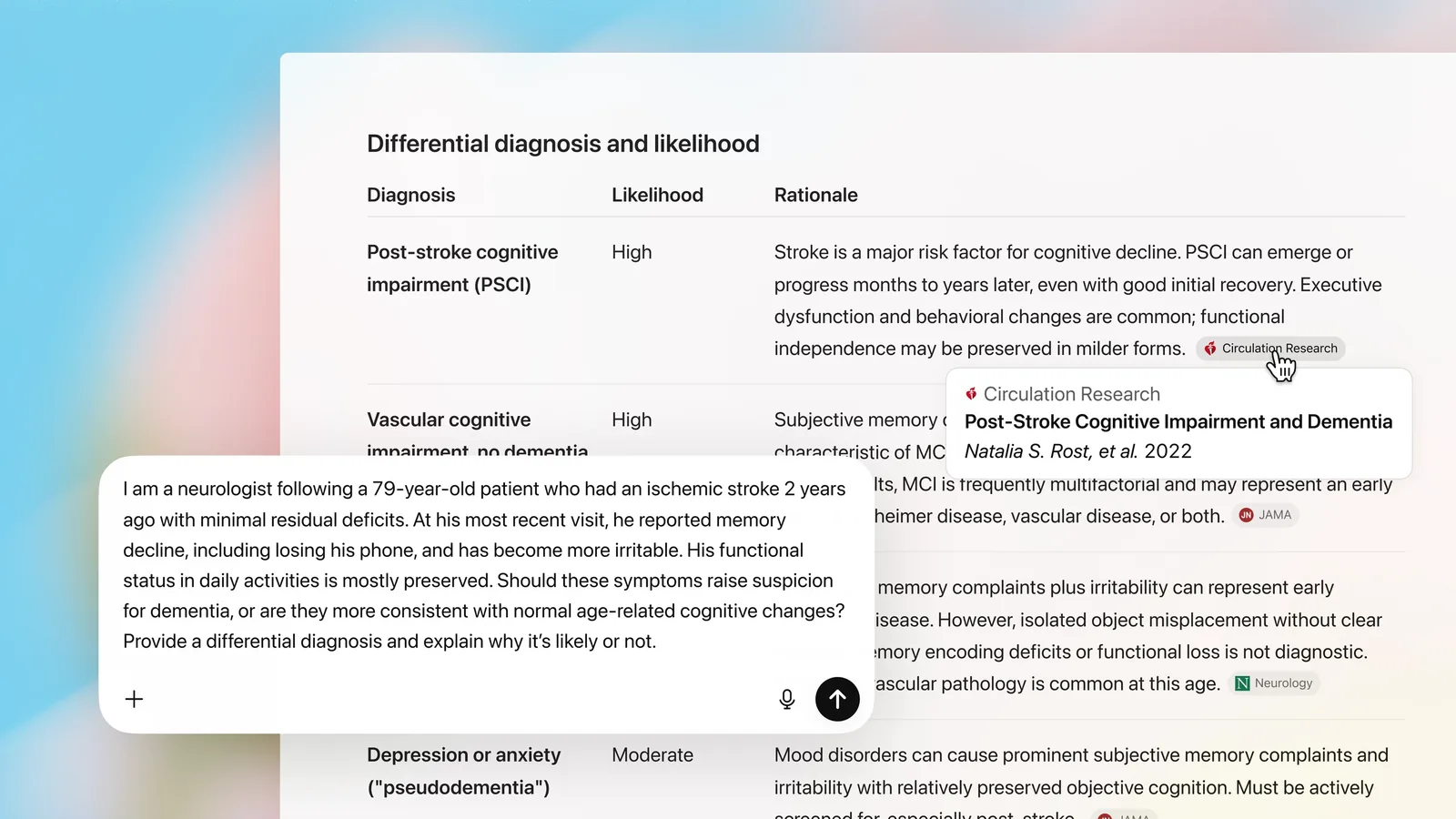
OpenAI and Anthropic both launched enterprise healthcare AI offerings last month. OpenAI's is more complete — a ready-to-use product for clinicians plus an API for developers. Anthropic's is developer-focused, with connectors to healthcare databases like CMS and ICD-10. Both will eventually offer the full stack. The question is what you need now.
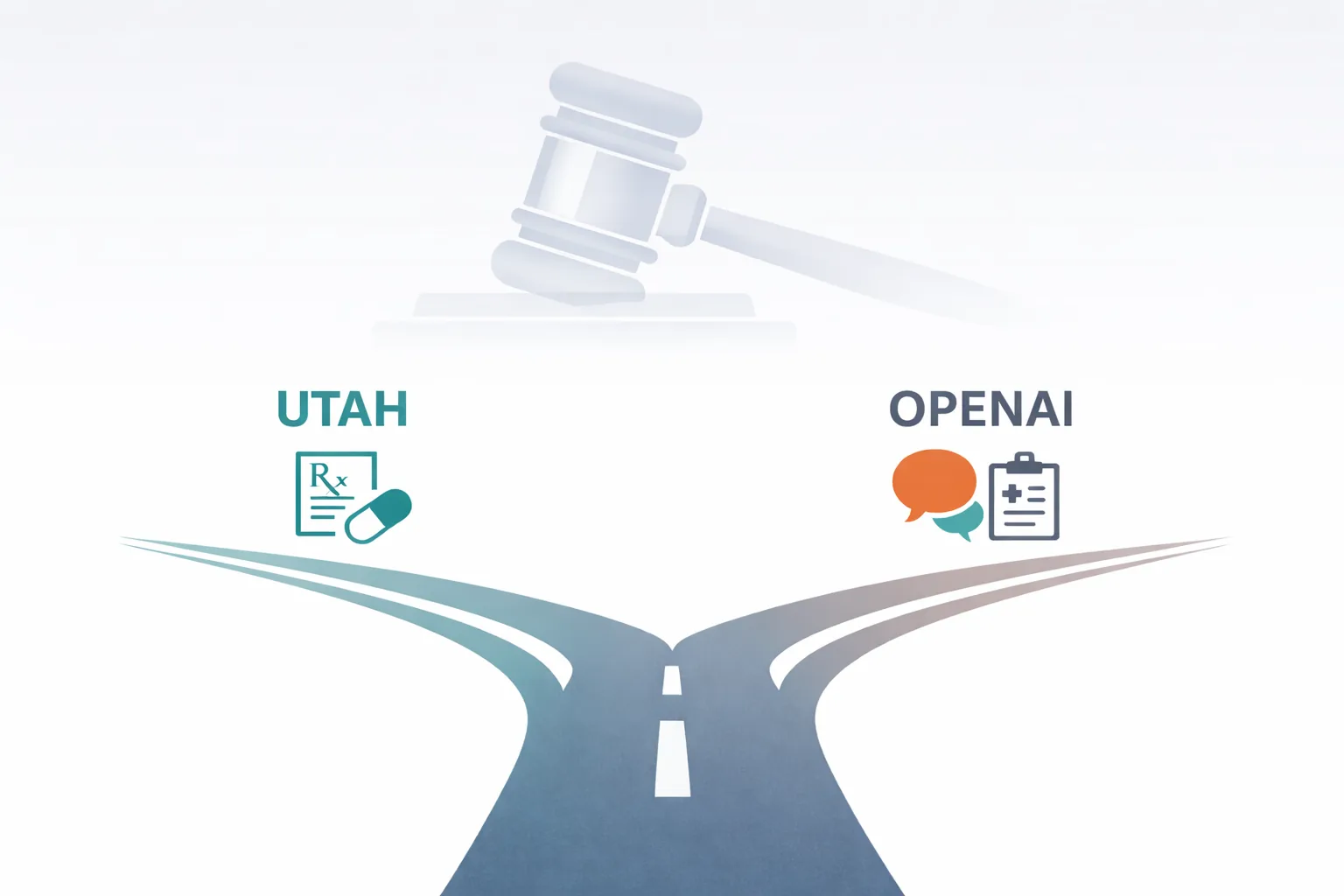
In the first week of January 2026, Utah, and OpenAI each drew a different line around health AI — and liability. Utah’s Doctronic pilot treats AI like a clinician, with malpractice coverage and preserved remedies. OpenAI adds medical-record syncing under unchanged disclaimers and a $100 cap.
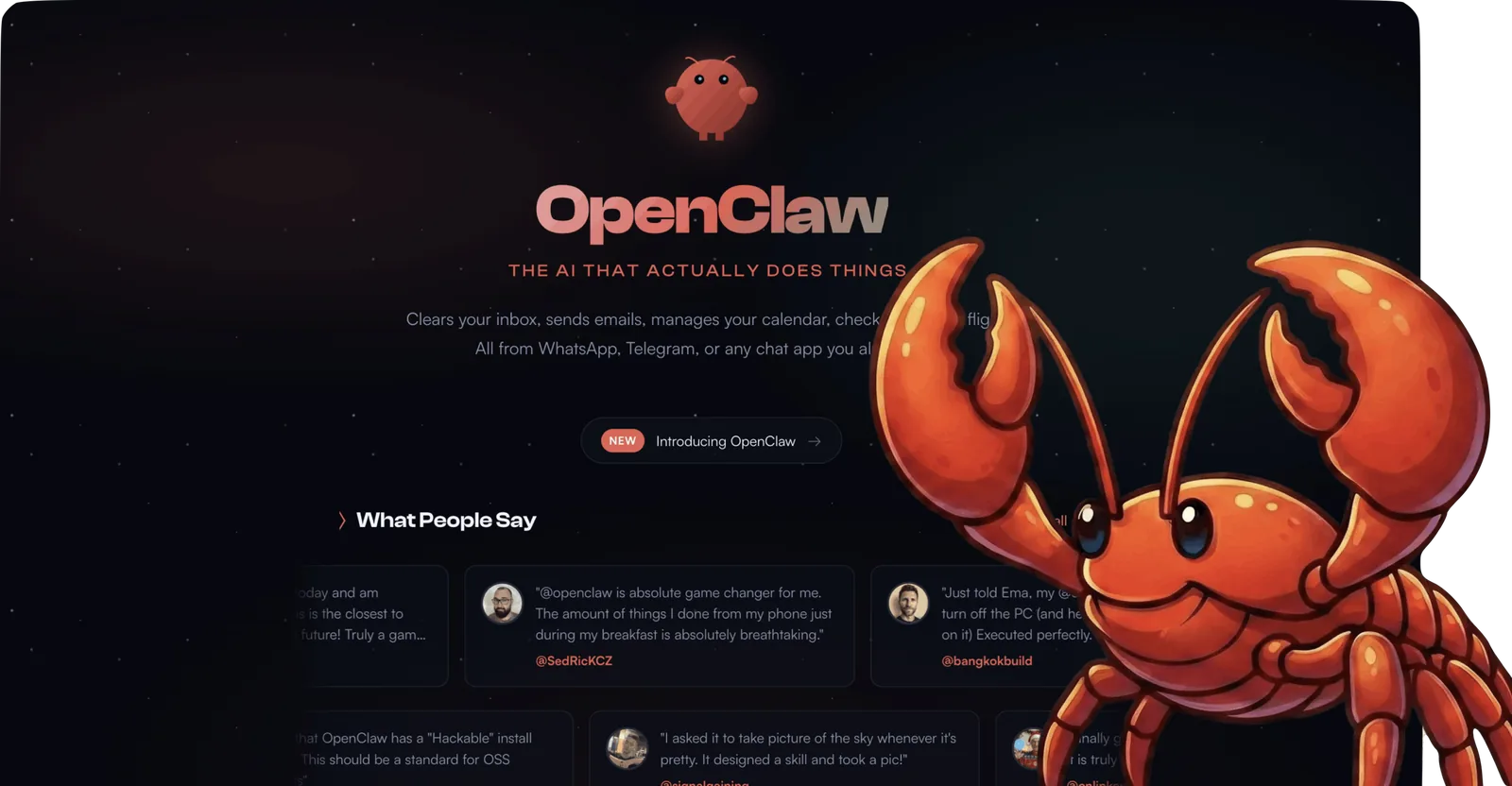
Current AI health tools share the same flaw as traditional healthcare: they're episodic, not continuous. OpenClaw — a nerdy new tool that’s shot to 2 million users in nothing flat — shows us what comes next: AI assistants that monitor your health 24/7, cross-reference data sources, and act on your behalf without being asked.
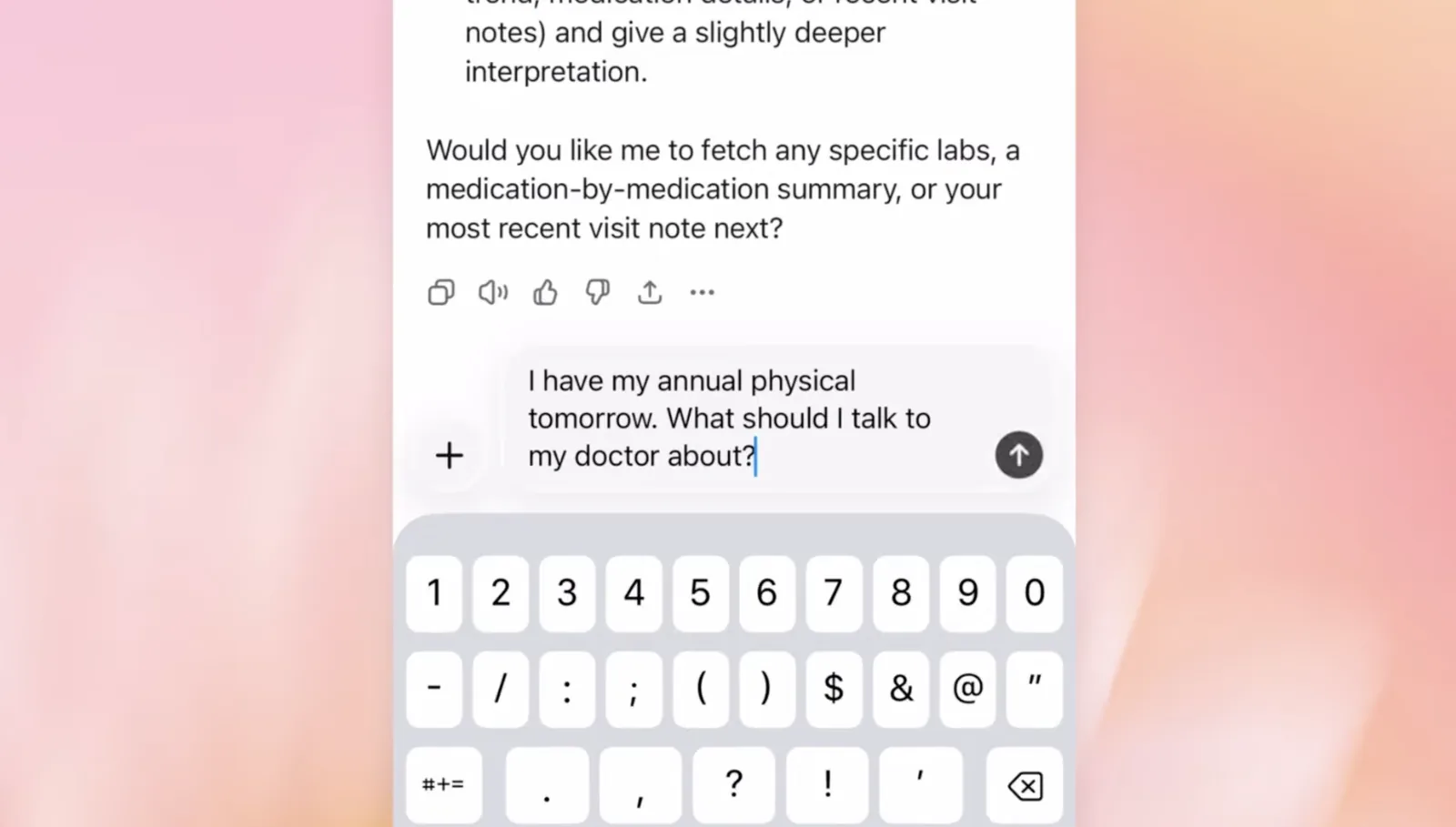
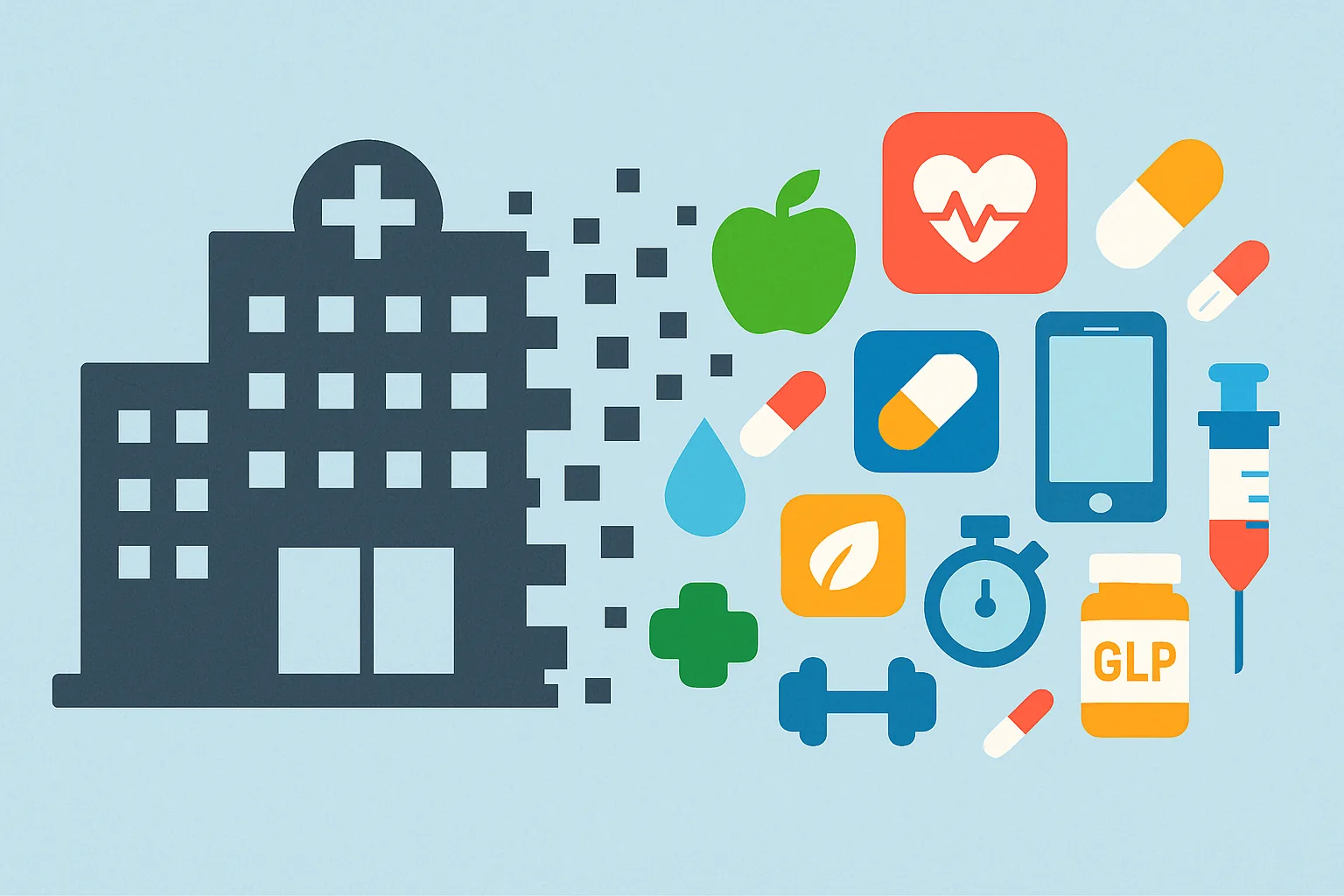
For the last 50 years, the engine of technology innovation has been a consumer engine. Consumers have steadily accumulated new health capabilities — including diagnosis, treatment, and monitoring — much faster than healthcare organizations. This has caused a decades-old, large-scale migration of health-related activity from the healthcare system to the consumer tech system. But in my experience speaking with hundreds of healthcare CEOs and board members, these migrations remain largely invisible to healthcare leadership.
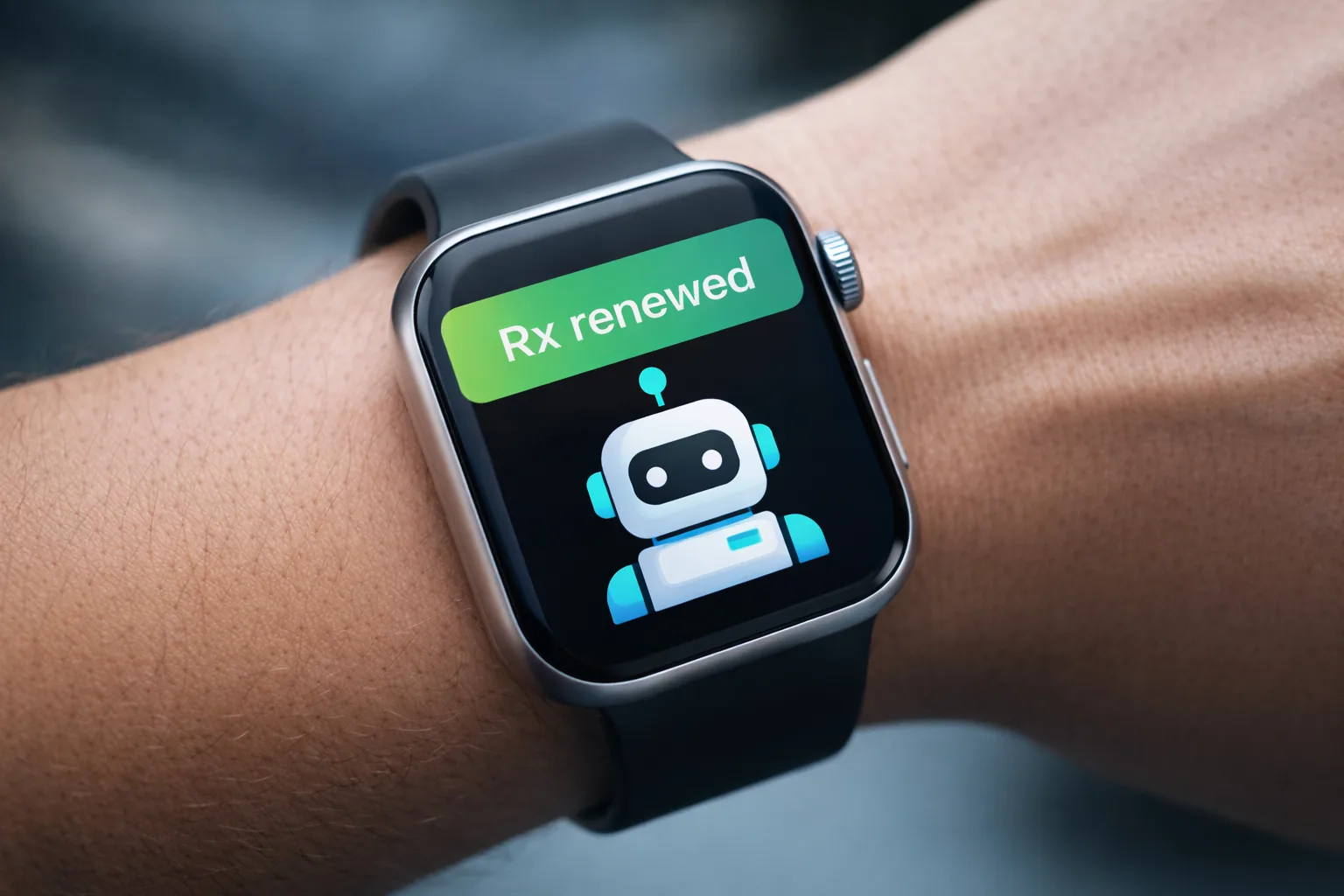
The FDA just updated its General Wellness guidance, allowing consumer devices to measure clinical parameters for coaching — no clearance required. The same week, Utah let AI renew prescriptions with no doctor. Both are doing the same thing: moving healthcare tasks out of traditional systems and into consumer channels.
The New York Times built one of the best digital products in media — yet its real revenue and profit have fallen by more than half. That’s what disruption actually looks like: the work moves elsewhere while the industry shrinks. Healthcare is now entering the same pattern, driven by consumer tech, GLP-1s, and safer mobility. We’re heading toward better health — and a smaller healthcare system.
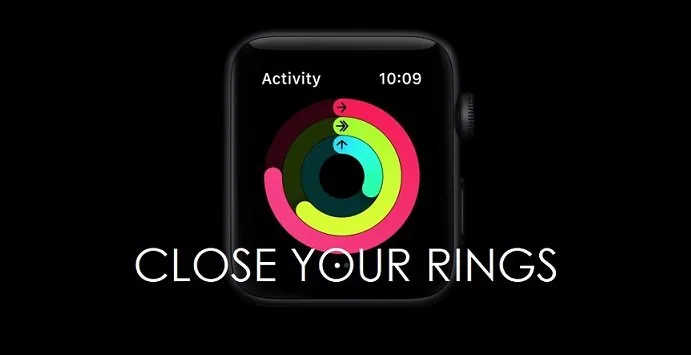
Digital coaches are taking prevention where healthcare and public health can’t reach — into daily life. Activity trackers like Apple Watch, Fitbit, and Garmin now deliver personalized, continuous feedback at global scale, turning prevention into a business that keeps people healthier — and needing healthcare less.
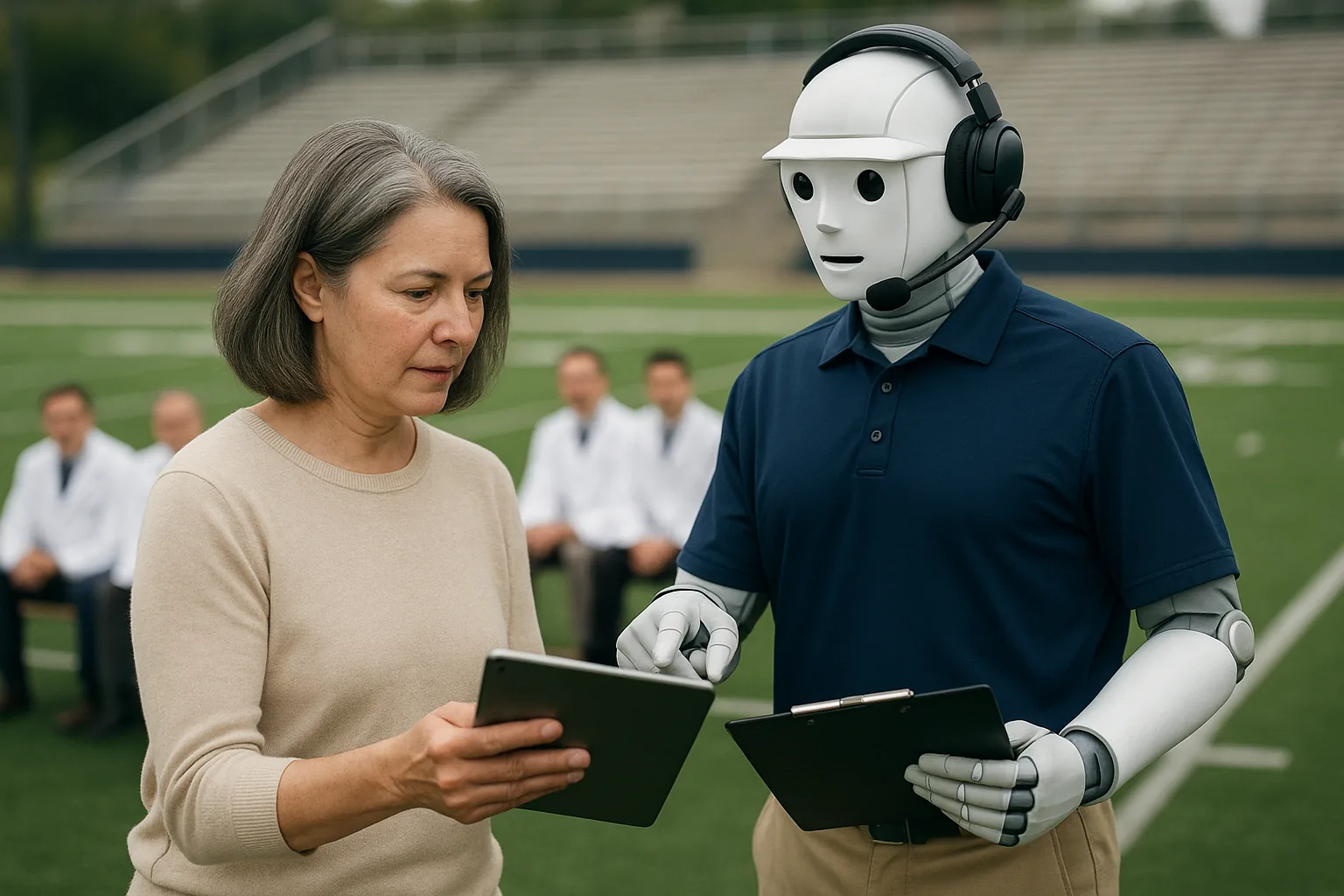
AI health coaches aren’t just for athletes anymore. They’re starting to handle the day-to-day interpretation, advice, and treatment adjustments that once required doctors. From glucose monitoring to hypertension management, technologies like Dexcom, Teladoc, and Omada are quietly taking over the work of routine clinical decision-making. This new generation of digital health coaches marks the next step in a long trend — technology shrinking healthcare by making us need it less.
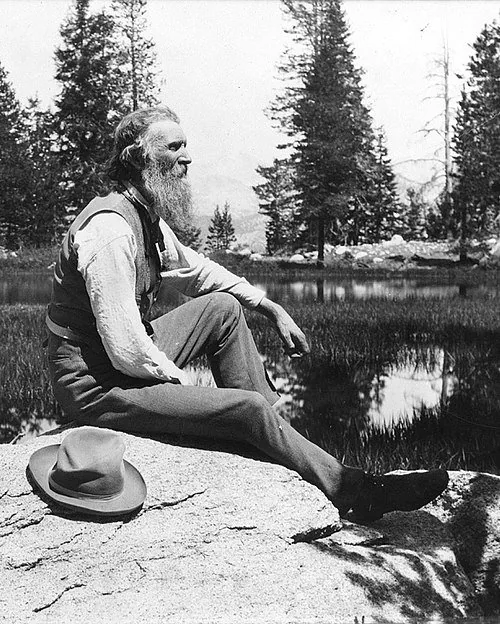
The naturalist John Muir saw how everything in nature is connected — and today AI is showing us the same truth inside the body. From Apple Watch studies on atrial fibrillation to new hypertension alerts, hidden links in long-collected data are transforming how we understand health.
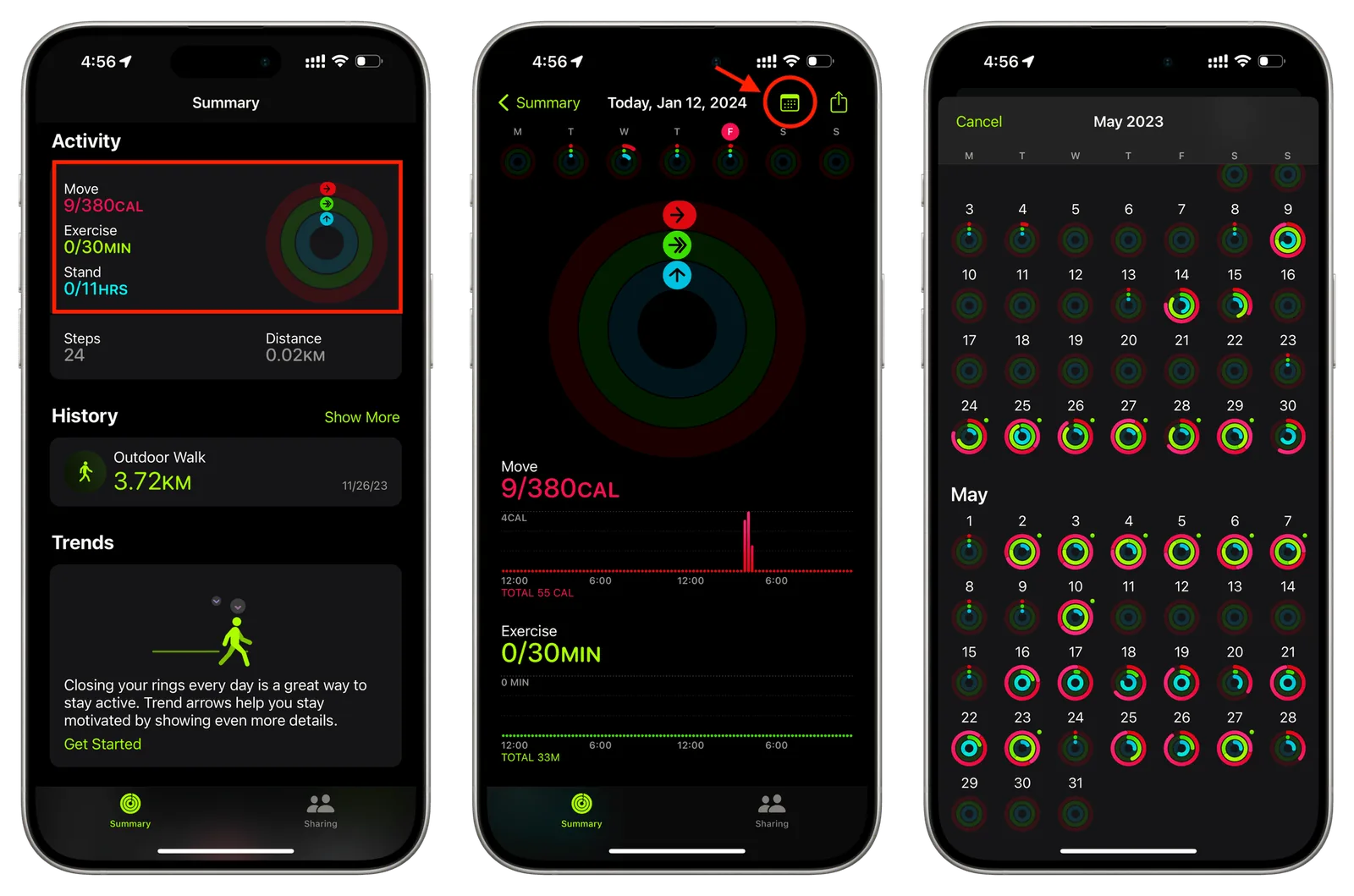
The overwhelming majority of health-relevant data — movement, behavior, speech, sleep — is now generated outside the clinical setting. As a result, health innovation is increasingly shifting toward consumer devices and tech platforms that actually hold the data — not the EHR or the healthcare system.
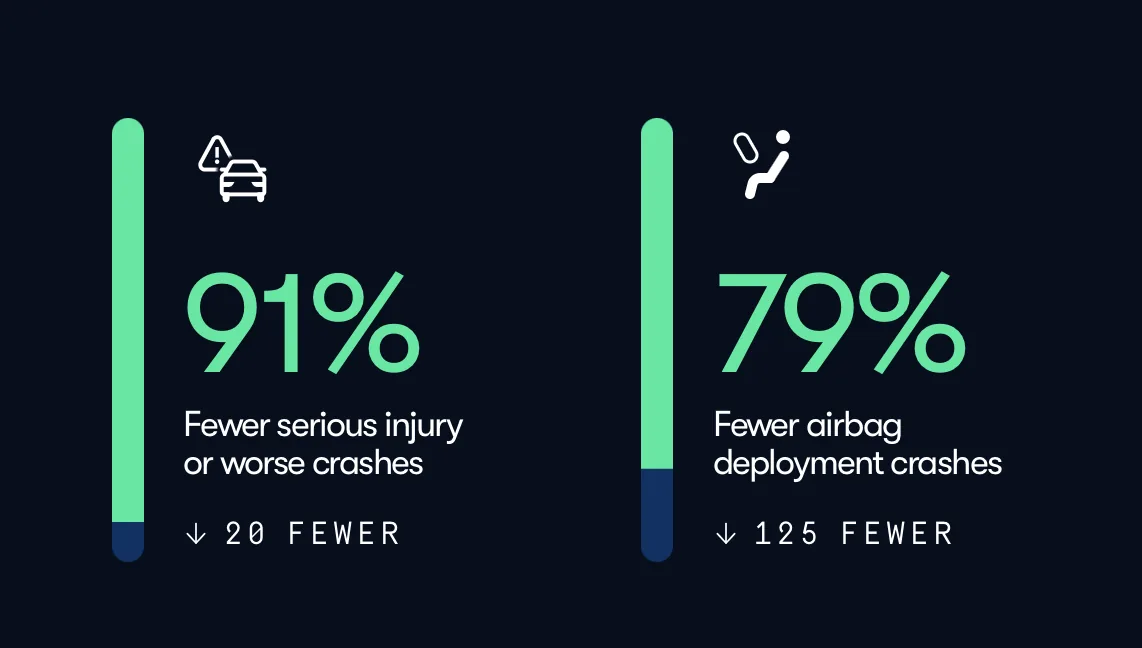
Hospitals worry about retail clinics and other healthcare competitors. But real disruption may come from outside healthcare entirely: cars that don’t crash. As autonomous driving becomes safer and more widespread, the revenue ripple effects on emergency departments, orthopedics, and imaging will be profound — and sooner than most systems expect.
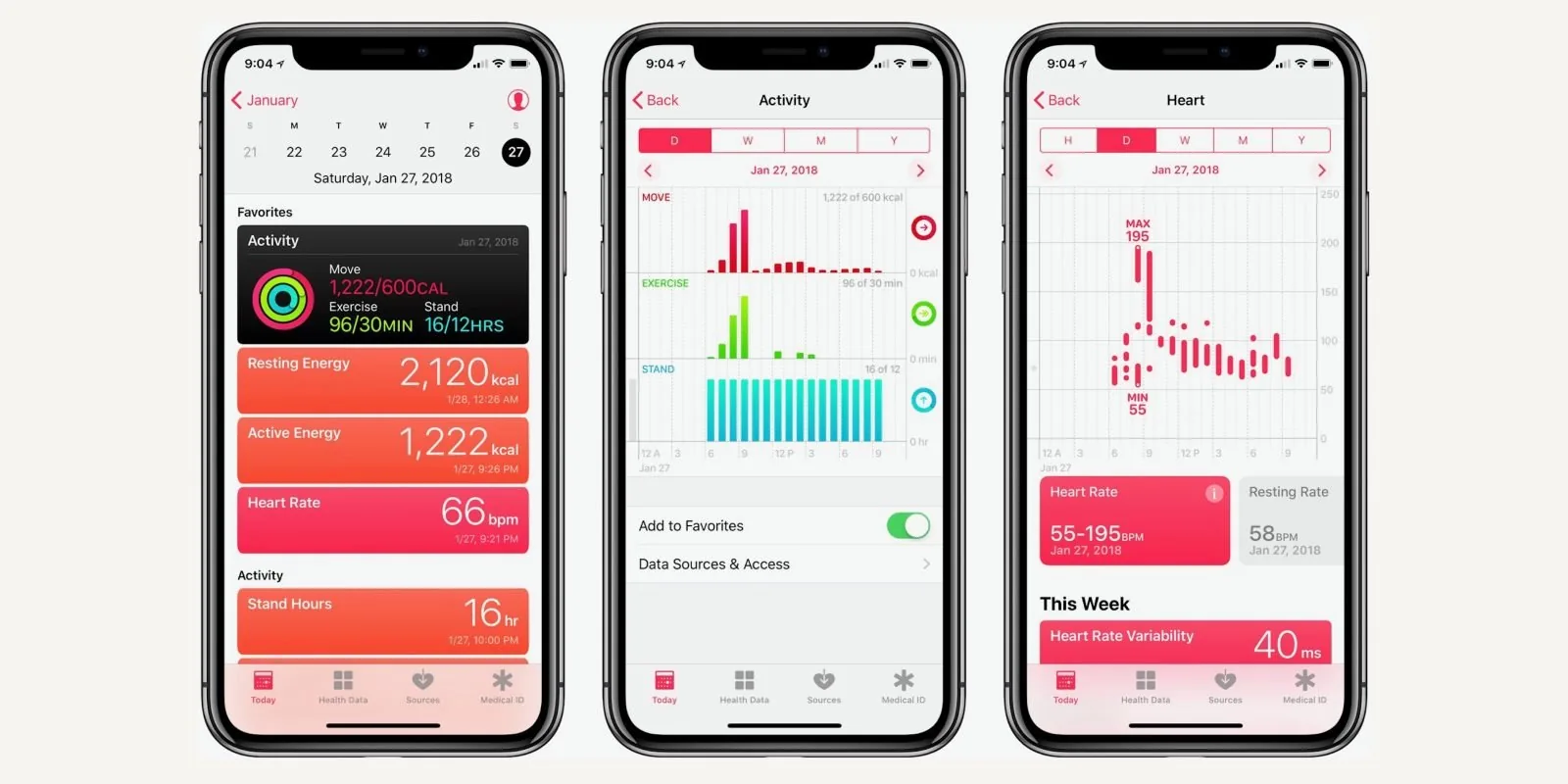
The public conversation about AI in healthcare swings between extremes — some predict it will replace doctors, others that it will usher in a golden age for medicine. So which is it? In my recent American Family Physician editorial, I explore how AI is less a disruptor of doctors than a powerful accelerator of consumer-driven health.
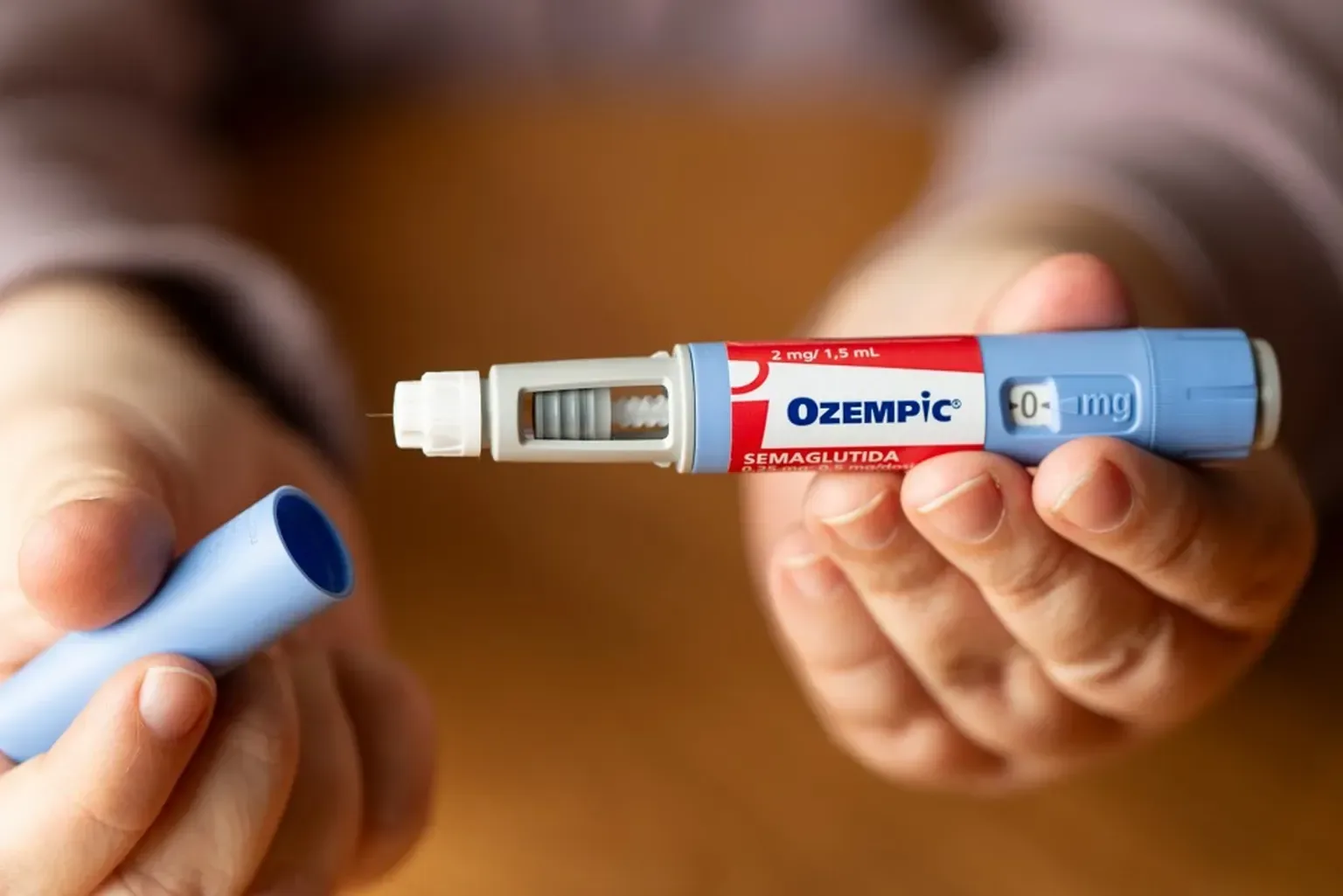
Innovations like GLP-1 drugs, self-driving cars and AI therapy chatbots are driving down illness, injury and the demand for traditional care. Rather than just improving delivery, these shifts reduce the need for doctors altogether. Snack food CEOs are planning for an Ozempic world. Why aren’t healthcare execs?
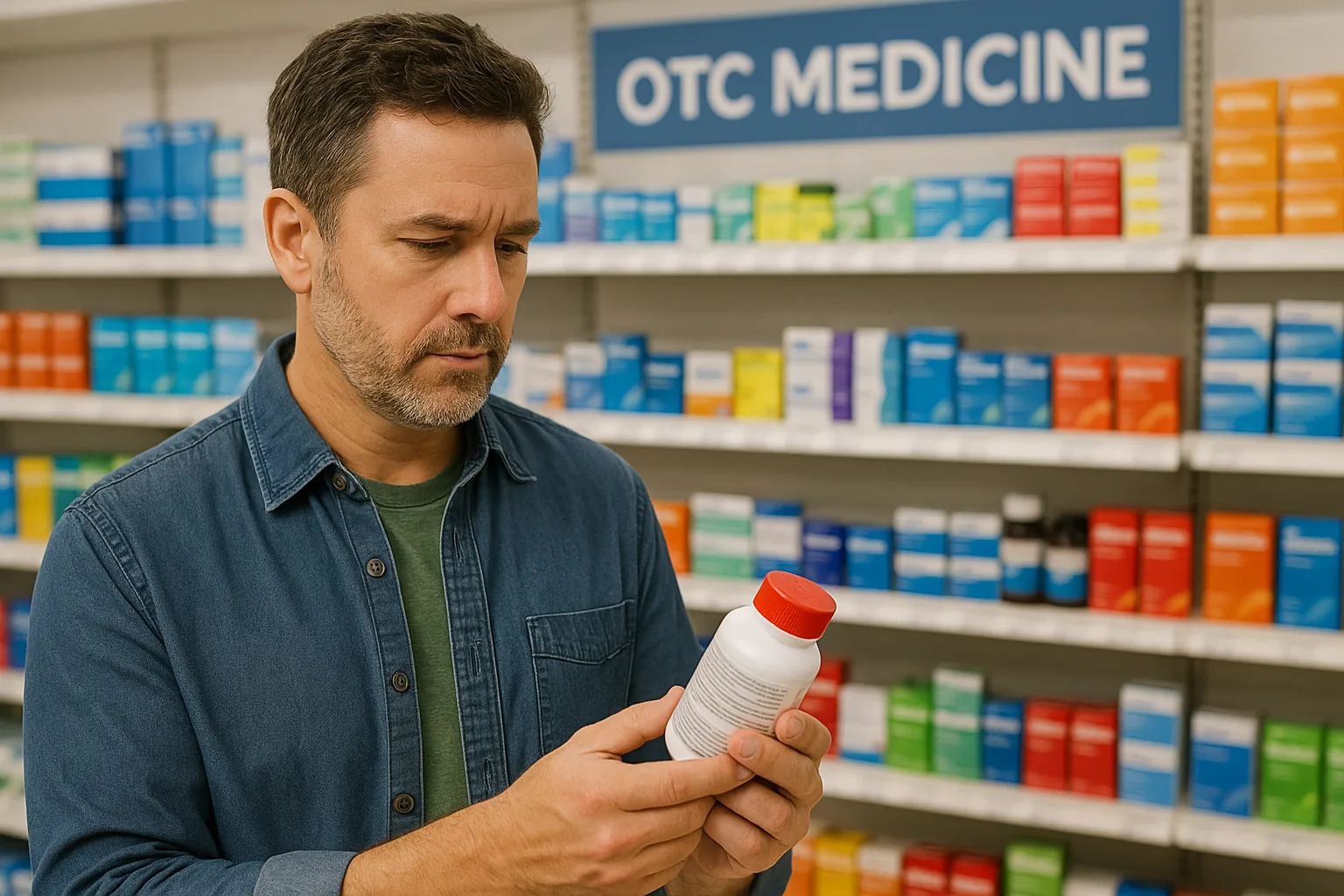
As AI and smartphones put more diagnostic power into consumers’ hands, healthcare faces disruption not just within the clinic — but beyond it. From OTC drugs to pneumonia-detecting apps, selfcare is rising fast. This isn’t the future. It’s already here — and it’s shrinking the doctor’s role.
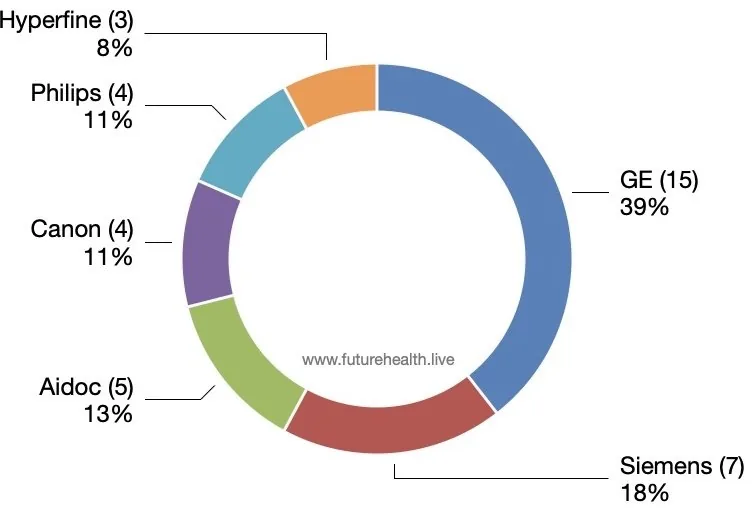
One year after analyzing FDA’s AI medical device approvals, a new dataset confirms: growth continues, but acceleration is absent. While more young companies are joining the field, older firms like GE still dominate approvals — classic sustaining innovation. And Big Tech? Still barely on the board.
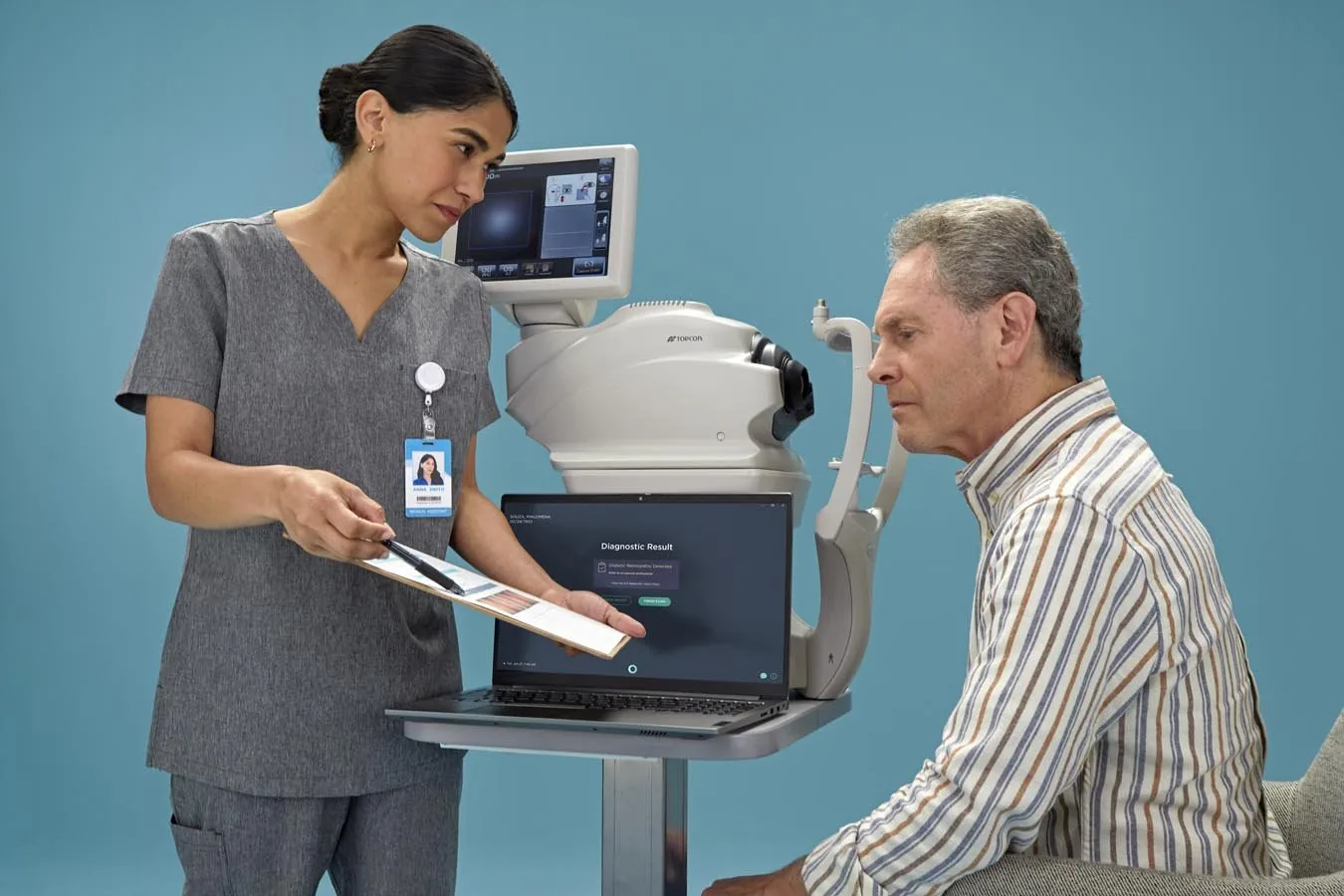
Smartphone apps that can diagnose pneumonia? FDA-approved machines that can diagnose conditions without a doctor? Robot psychotherapy? It’s not coming, it’s here now.

Most doctors, nurses, PAs, techs, and others in healthcare aren’t familiar with the term “disruption” and are unaware of how technological trends have already begun disrupting their current business models. This post is the first of three that will provide a basic understanding of the term, and the phenomenon.
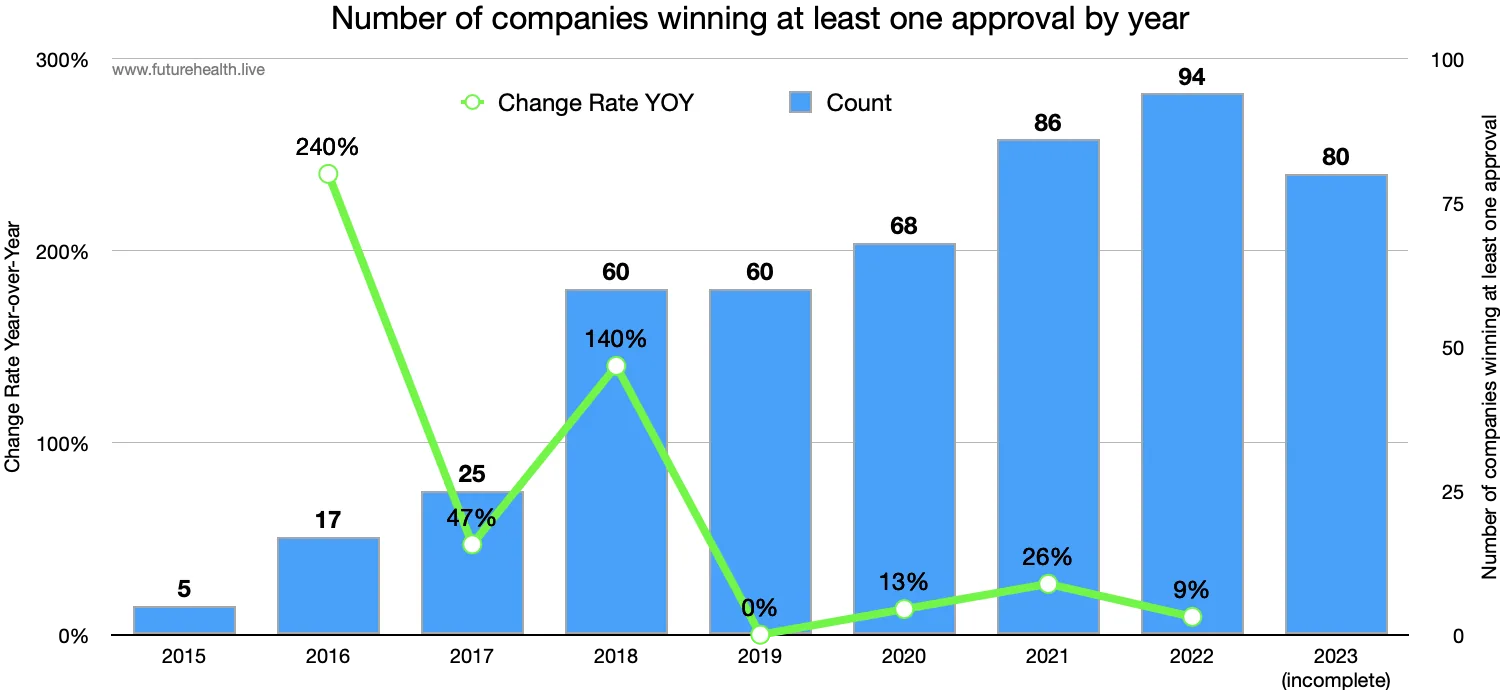
FDA approvals of AI-enabled medical devices are accelerating — but not in the way you might expect. While new startups are entering the space, the real winners remain legacy giants like GE and Siemens. An analysis of the latest FDA data reveals a classic case of sustaining innovation, not disruption, as established players integrate AI to reinforce their dominance.