
ChatGPT's Health Advice Ignored What Patients Told It
A new study of real ChatGPT conversations finds that the AI often gives health advice that doesn’t take account of what the user has already told it about their health history.
Signals, notes, and essays about AI, health technology inside and outside healthcare, and how consumer health tech is changing the healthcare system.
A new study of real ChatGPT conversations finds that the AI often gives health advice that doesn’t take account of what the user has already told it about their health history.

Utah’s Doctronic AI prescription renewal pilot reports no adverse events, but lacks an official independent audit, active patient follow-up, and a comparison with usual care.
Advocate Health saw patient connections between MyChart and ChatGPT rise more than 7,000% in one month. Hospitals must pay to deliver the records while ChatGPT increasingly competes with them to interpret those records for patients.
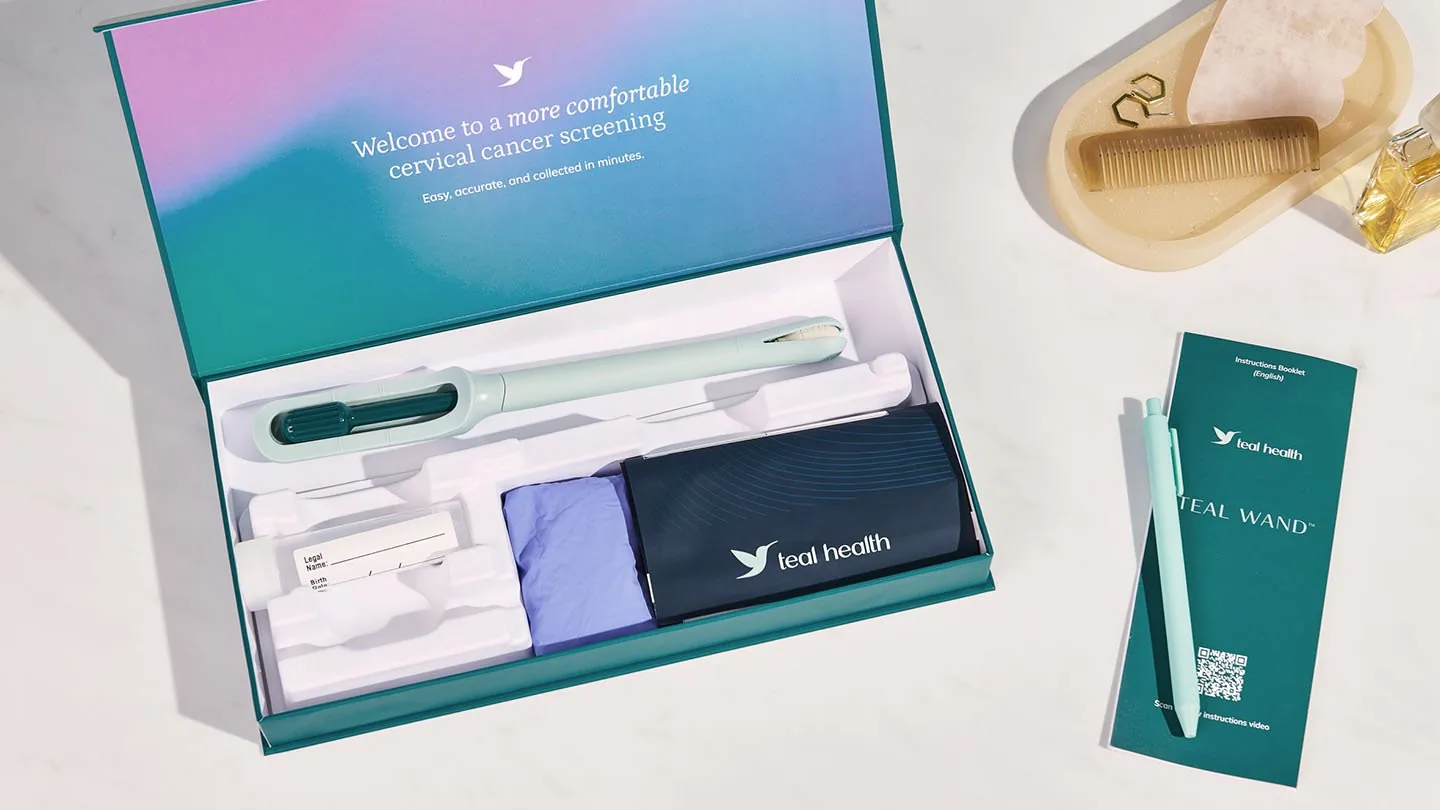
Teal Health raised $22 million for the Teal Wand, which lets women collect their own sample at home for HPV cervical cancer screening — no speculum, no clinic visit, no missing work. Starting in 2027, most private insurers have to cover it at no cost. Classic Diagnosis Migration, though a positive result still sends women back to the clinic for followup (which will also be covered by insurance).
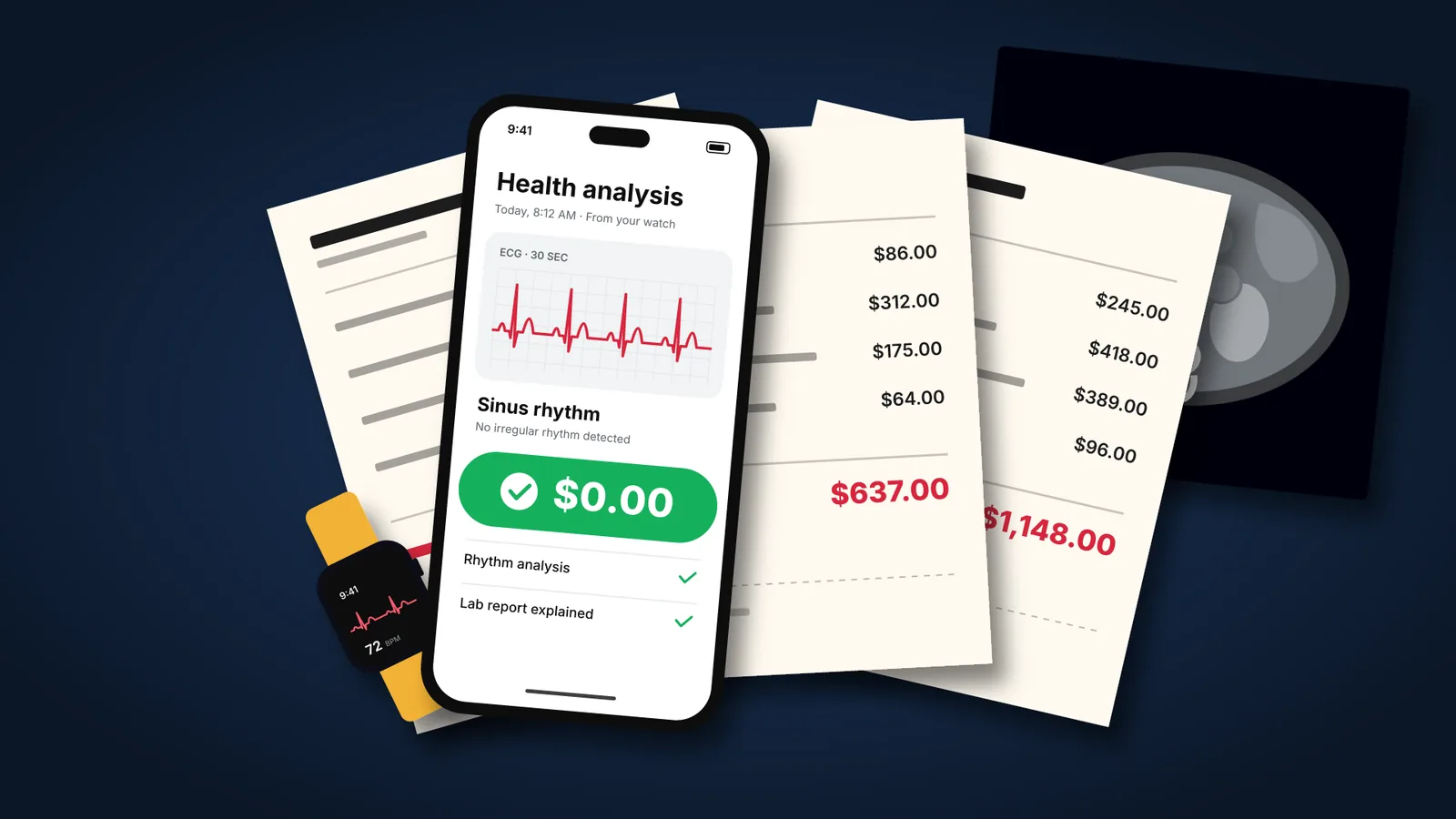
As medical testing becomes software, new tests and interpretations can be bundled into phones, watches, and subscriptions. Big Tech can earn money by giving them away, putting pressure on healthcare companies that sell them. What will this mean for patients, labs, and healthcare orgs?
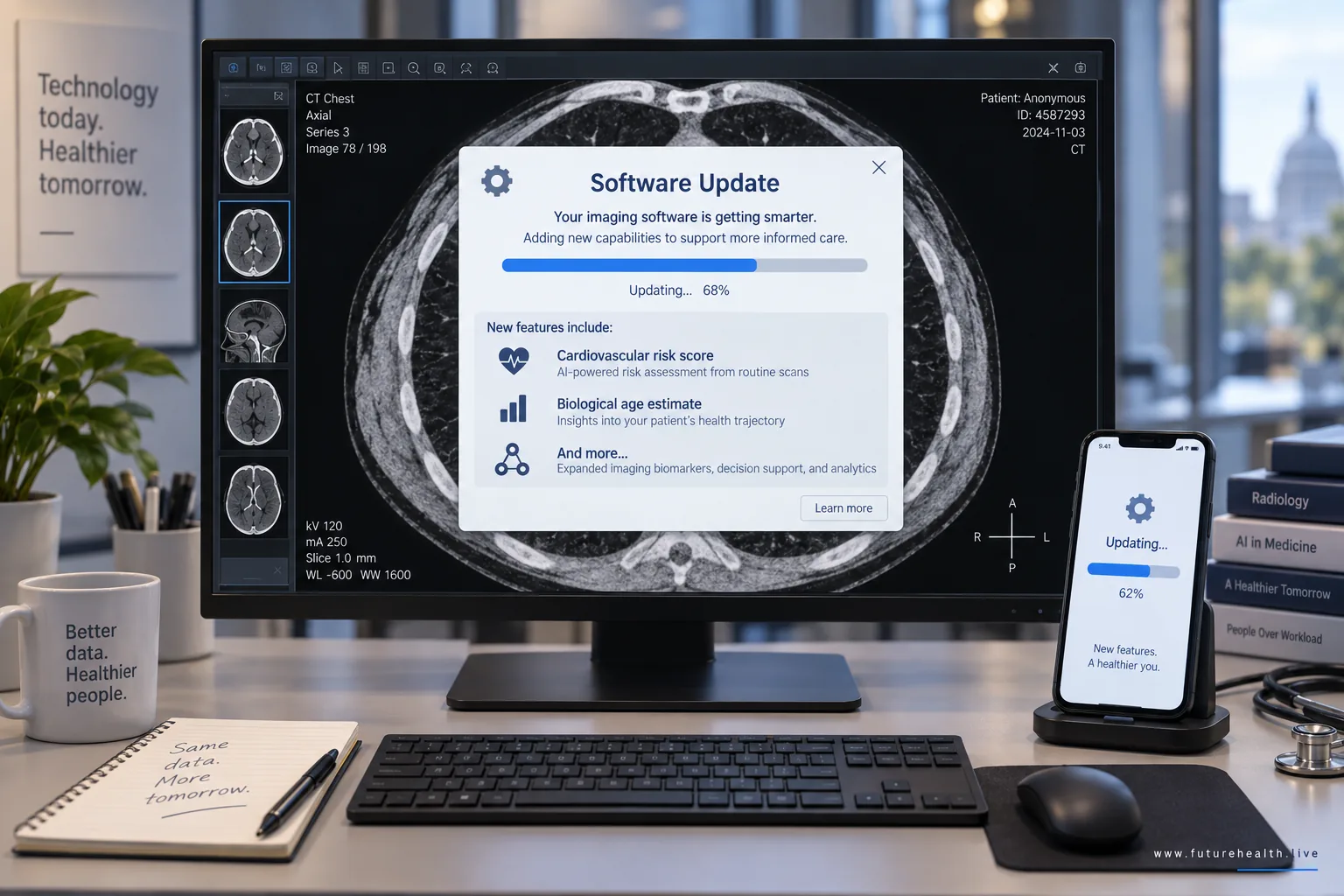
We’re used to software updates giving our phones new capabilities. The same thing is happening to medical tests: an ECG can reveal clues about the liver, and a mammogram can help assess heart risk. Better software is expanding what these tests can tell us — whether we take them tomorrow or took them years ago.
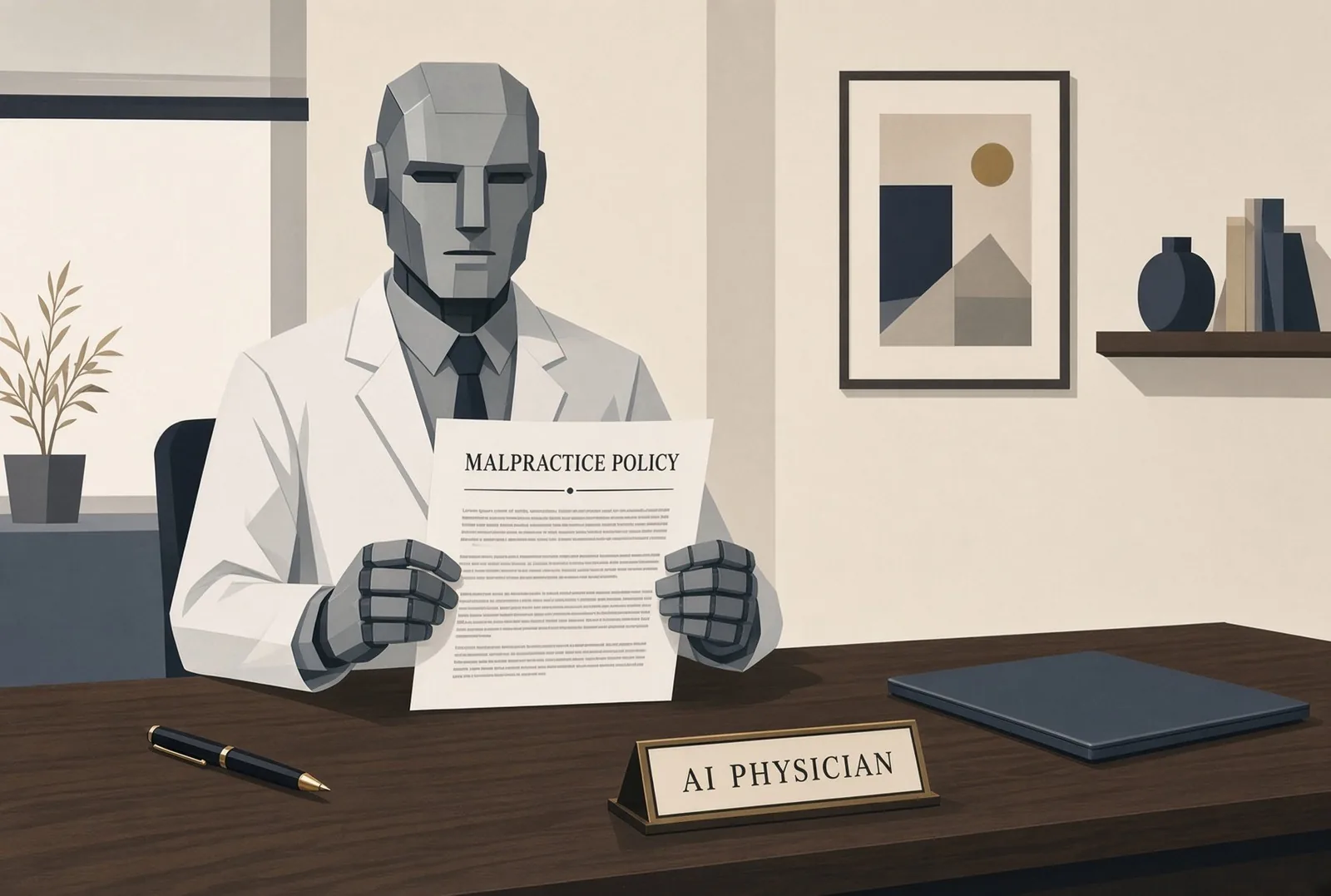
STAT published my letter on Rao and Succi’s “shadow medical system” essay. They had closed with IBM’s 1979 line that a computer can never be held accountable, so it must never make a management decision — but that rule ended in 2018 when AI took out its first malpractice policy.
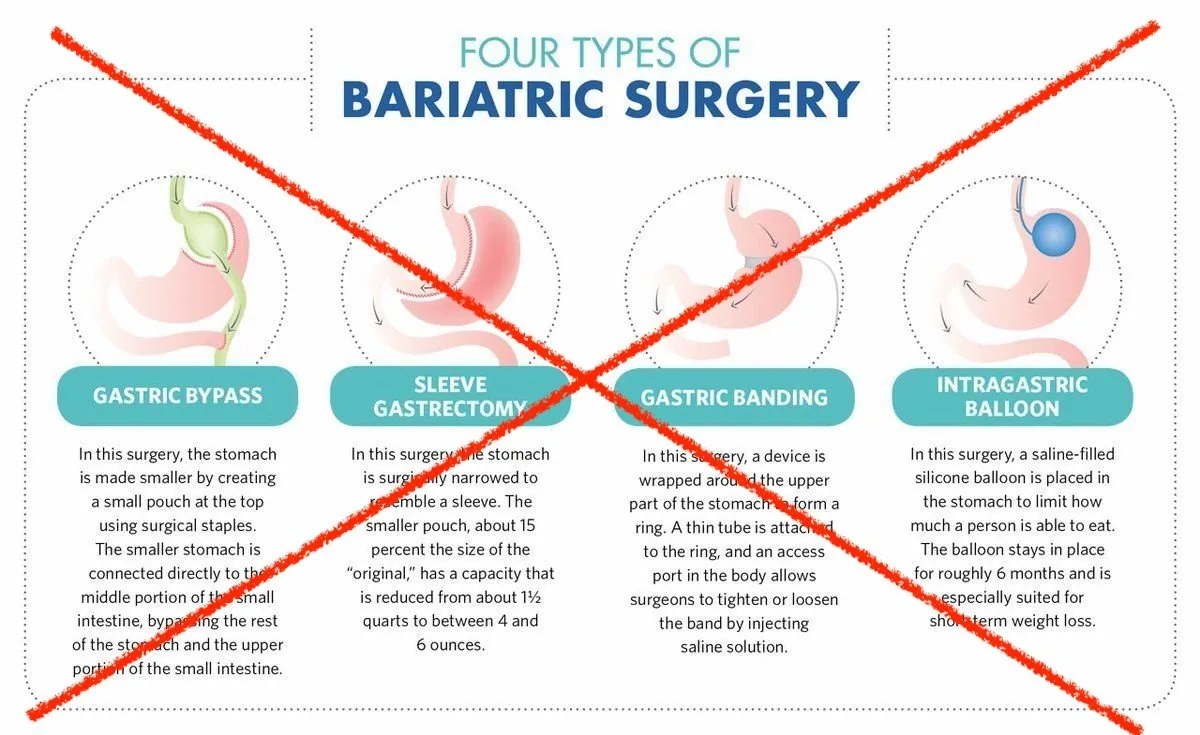
GLP-1 use rose more than 140% from 2022 to 2024 while bariatric surgery volumes fell 34.1%, per new JAMA Surgery article. Classic Demand Elimination — and more than 90% of eligible patients still received neither treatment.
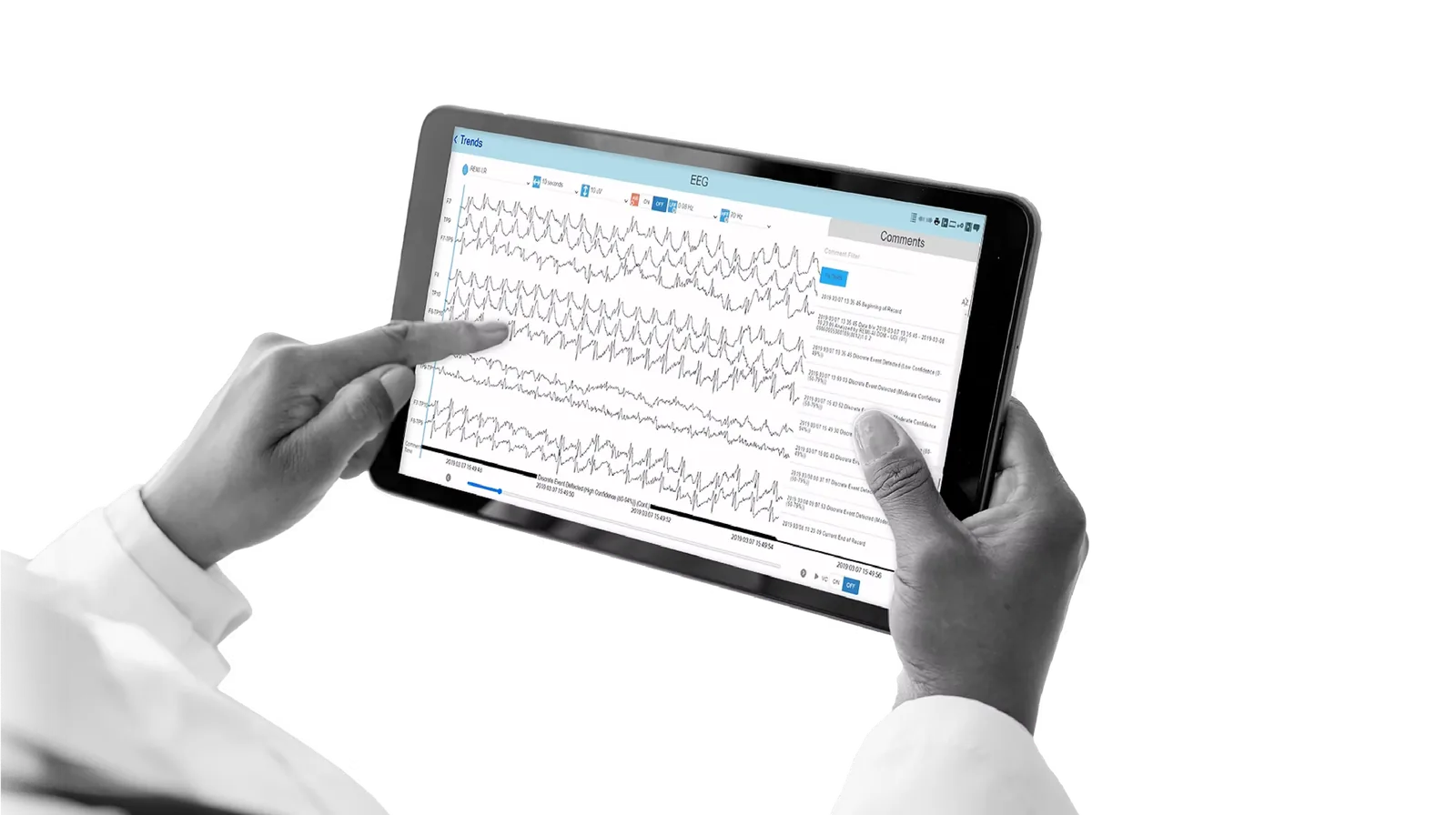
Epitel raised $26 million for REMI, a wireless EEG worn at home for weeks. It replaces multi-day inpatient workups at one of the country's few epilepsy monitoring units — lower resolution, but cheaper, more convenient, and longer, so it can catch seizures a three-day stay would miss. Classic Monitoring Migration. Classic disruption, too.
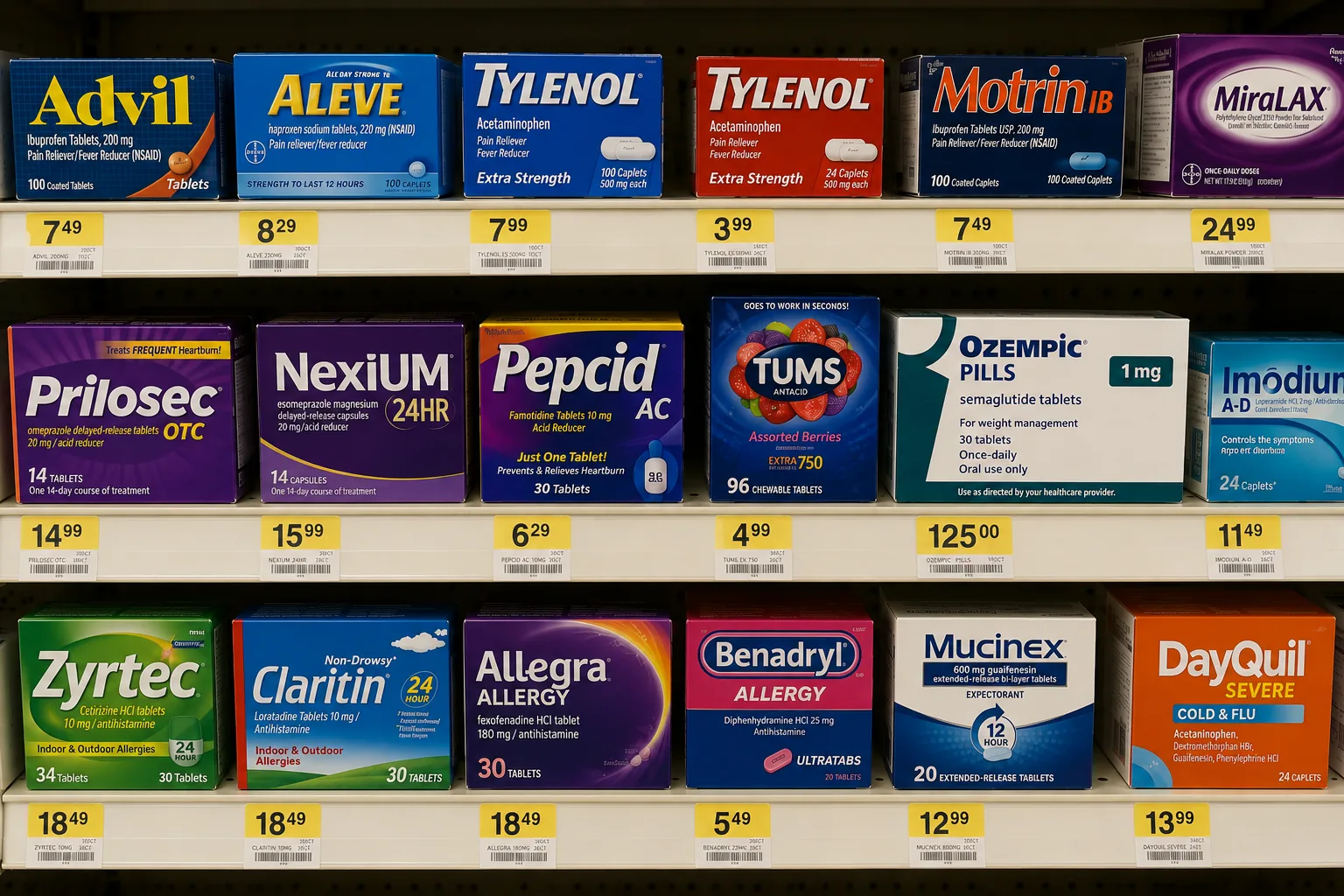
Forty-five of 49 telehealth sites prescribed a GLP-1 to a fake patient based on a web form and an upper-body photo. The prescription requirement doesn’t exist in practice. Given a benign 20-year safety record and a new FDA pathway for OTC drugs that need screening, it may be time to stop pretending otherwise.
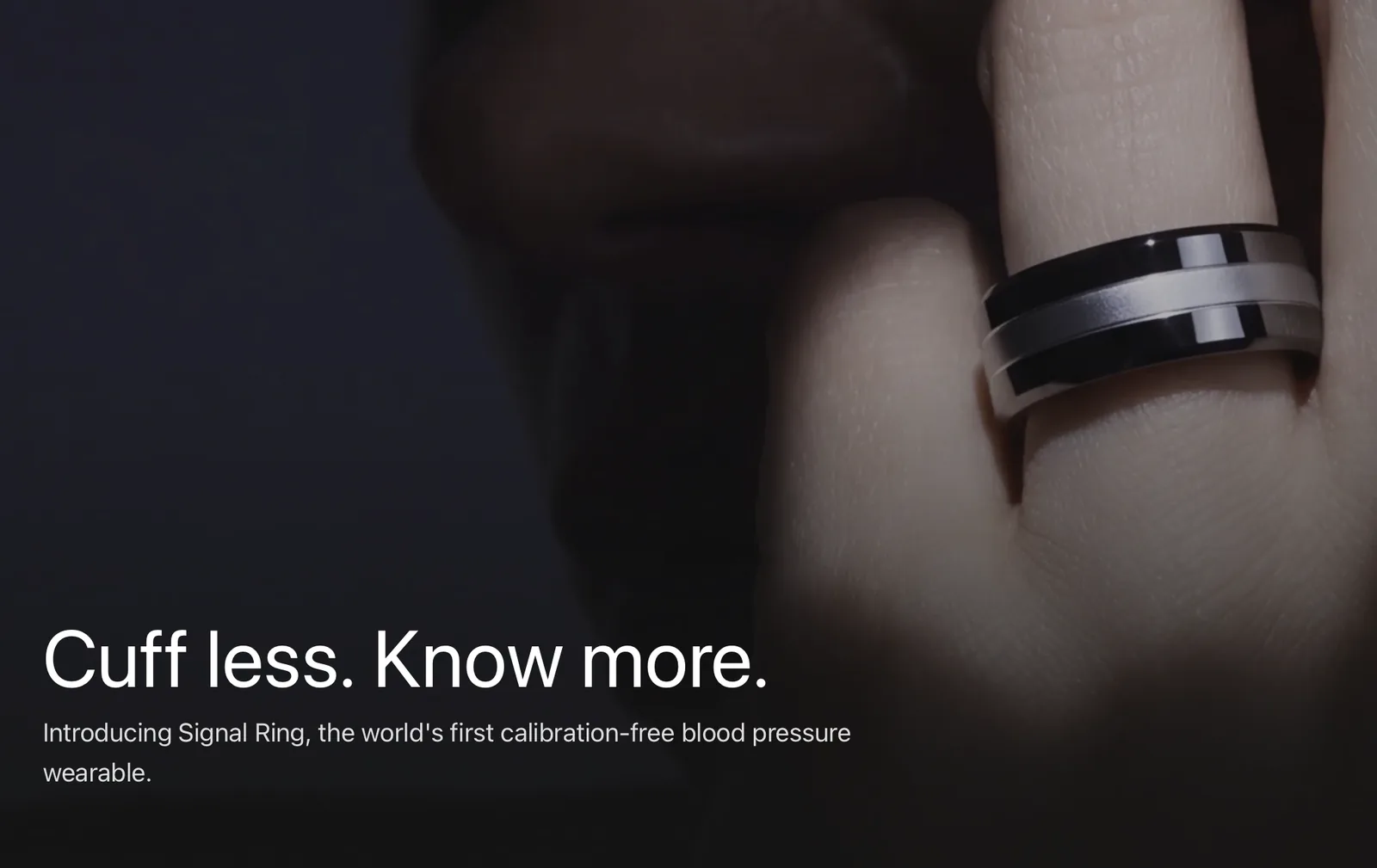
Signal Ring just announced a $399 ring that reads blood pressure continuously with no cuff and no need to calibrate. A first — if it works. Prompted me to look at where we are with current efforts at BP on wearables from Huawei, Samsung, Hilo, and Apple. Bottom line: no cuff-less device has been validated for continuous use, including Signal Ring.

Two head-to-head studies of medical AI came out weeks apart and reached opposite conclusions — one says general-purpose AI wins, the other says OpenEvidence does. Neither answers the question every doctor is actually asking: which one should I use in my practice?