Thoughts
Signals – quick single insights or data points
Notes – medium-length reflections
Longer in-depth essays
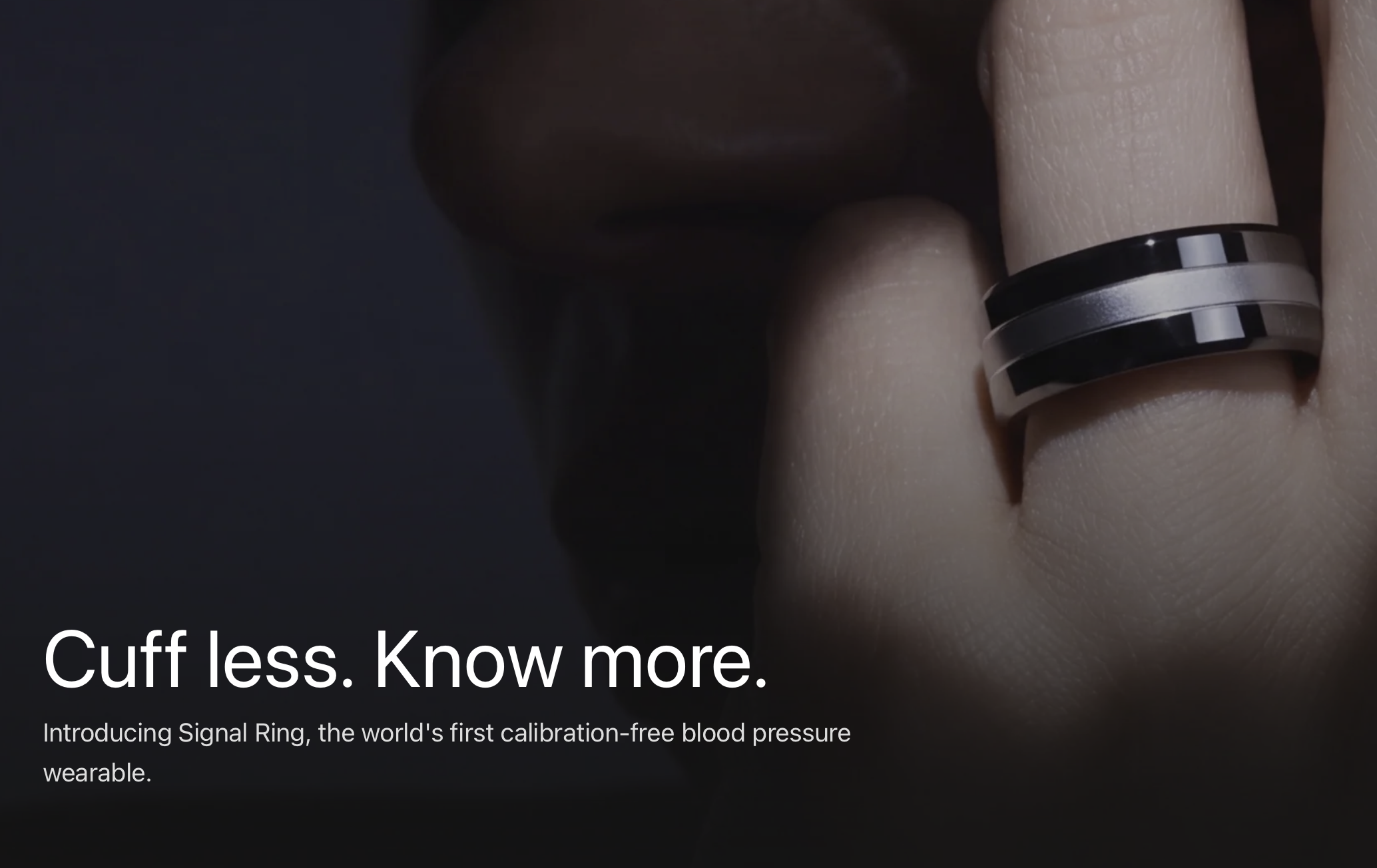
Wearable Blood Pressure: Where Things Stand
Signal Ring just announced a $399 ring that reads blood pressure continuously with no cuff and no need to calibrate. A first — if it works. Prompted me to look at where we are with current efforts at BP on wearables from Huawei, Samsung, Hilo, and Apple. Bottom line: no cuff-less device has been validated for continuous use, including Signal Ring.
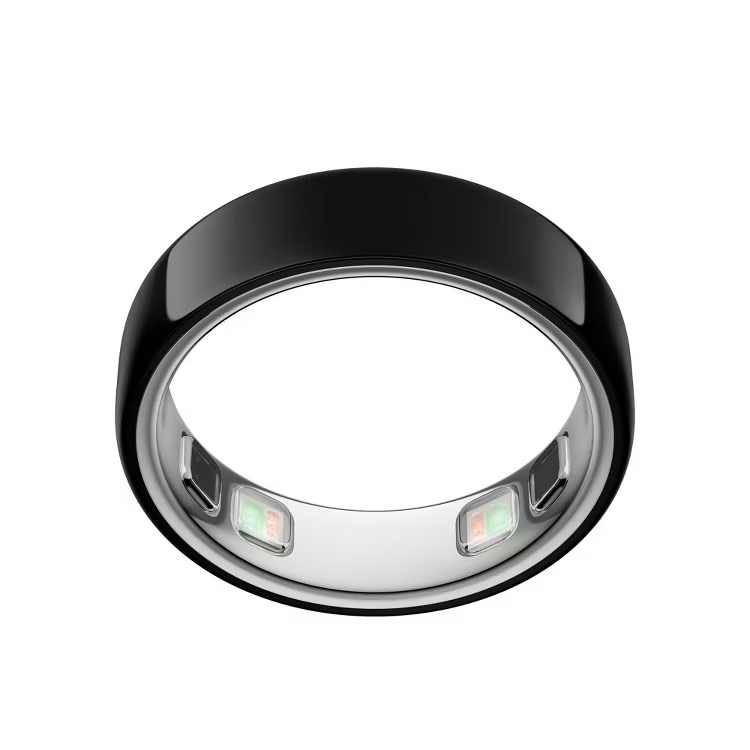
The Ring is the New Front Door
The front door to healthcare is a funnel: it directs patients to higher-level care, where the money is. Oura and Whoop are rebuilding that front door on a consumer subscription — and the demand it absorbs never shows up in the claims data.

Signals: Apple Found a Link Between Hearing and Mobility Just by Looking at Data From iPhones
For decades, hearing and exercise science depended on controlled studies conducted in clinics and universities, with specialized equipment and groups of volunteers. Now millions of people are generating real-world physiological and behavioral data every day through consumer devices — turning ordinary life into a continuous, global research platform.
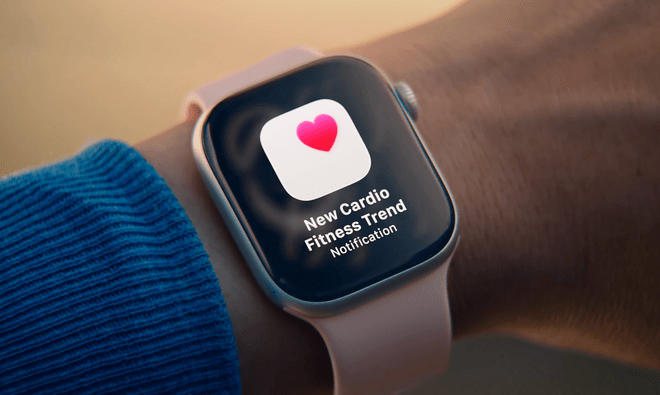
The Most Important Number Your Doctor Has Never Measured
There's a number that predicts whether you'll be alive in ten years better than your blood pressure, your cholesterol, your BMI, or whether you smoke. The American Heart Association has been recommending it as a vital sign since 2016. Your doctor has almost certainly never measured it. Apple Watch measures it every time you take a brisk walk.

Notes: 14 Million Appointments That Didn't Happen
Gallup says 14 million U.S. adults skipped a provider visit last month after using AI, which adds up to 168 million skipped visits per year. That's 16% of monthly physician visits — and it’s completely invisible in claims data, and ignored in healthcare planning.
The $50B Measurement Blind Spot in Healthcare Strategy
I speak with at least 100 healthcare leaders each year. They track everything — length of stay, readmissions, OR utilization, revenue cycle velocity. The one thing they're not tracking at all? The demand leaving the system entirely. And a Harvard finding that should have set off alarms six years ago has gone almost completely unnoticed.
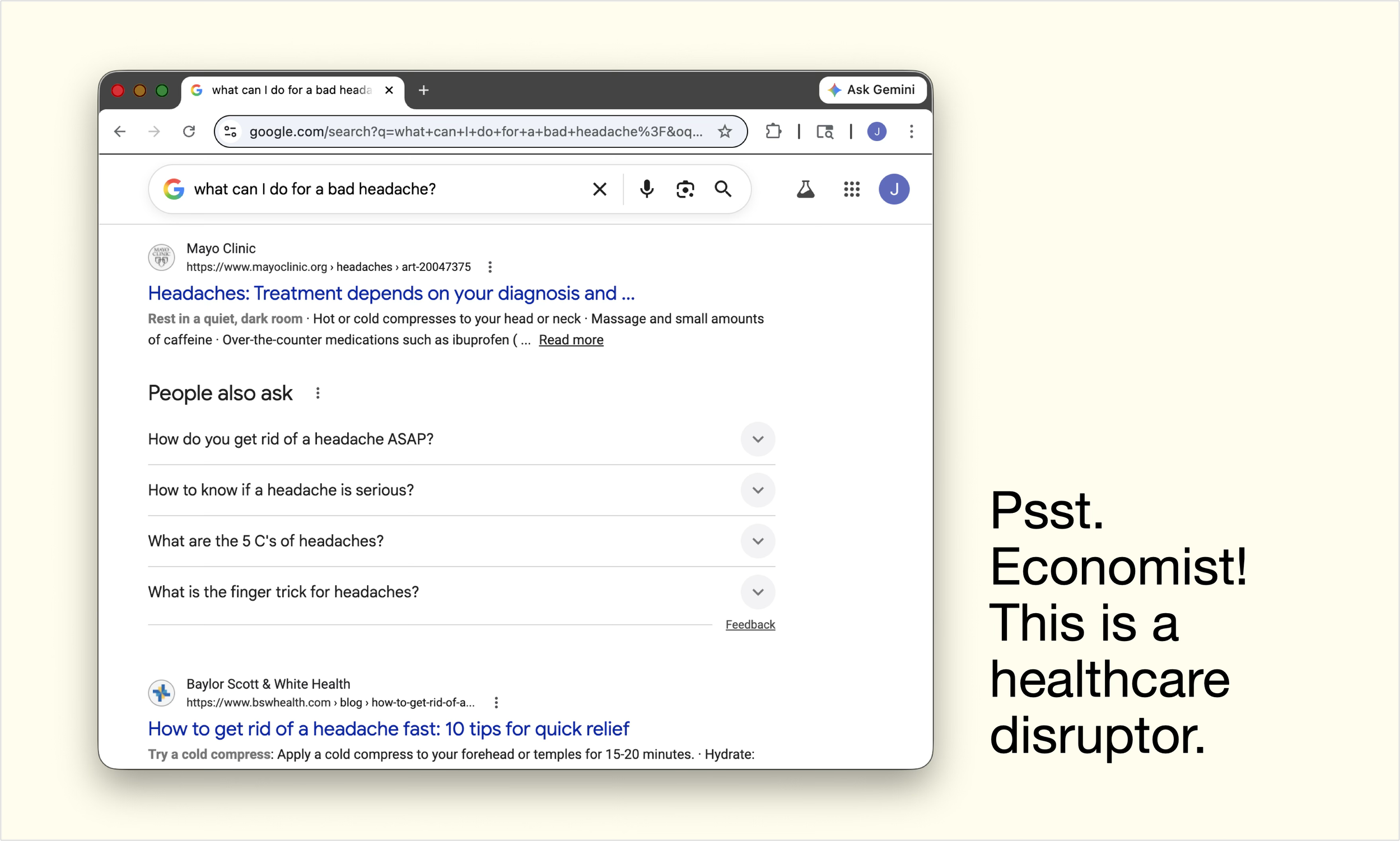
The Economist Wrote About Healthcare Disruption — But Missed the Disruption
The Economist says healthcare has "proved resistant to treatment from disrupters." If that's true, why has per capita spending growth been falling for fifty years? Why have primary care visits dropped 24%?
Because the Economist, and the healthcare system, don't count disruption that doesn't call itself healthcare.